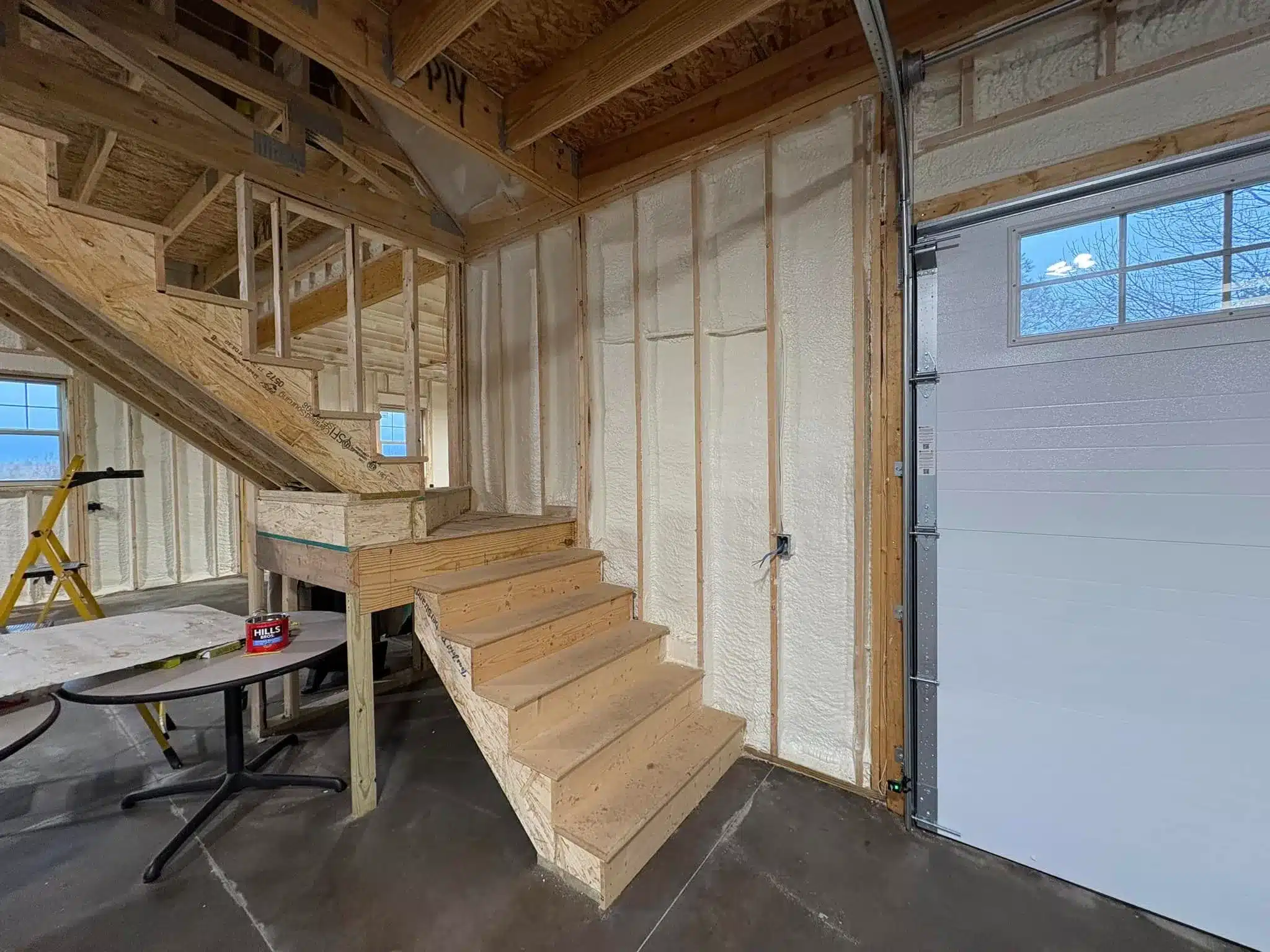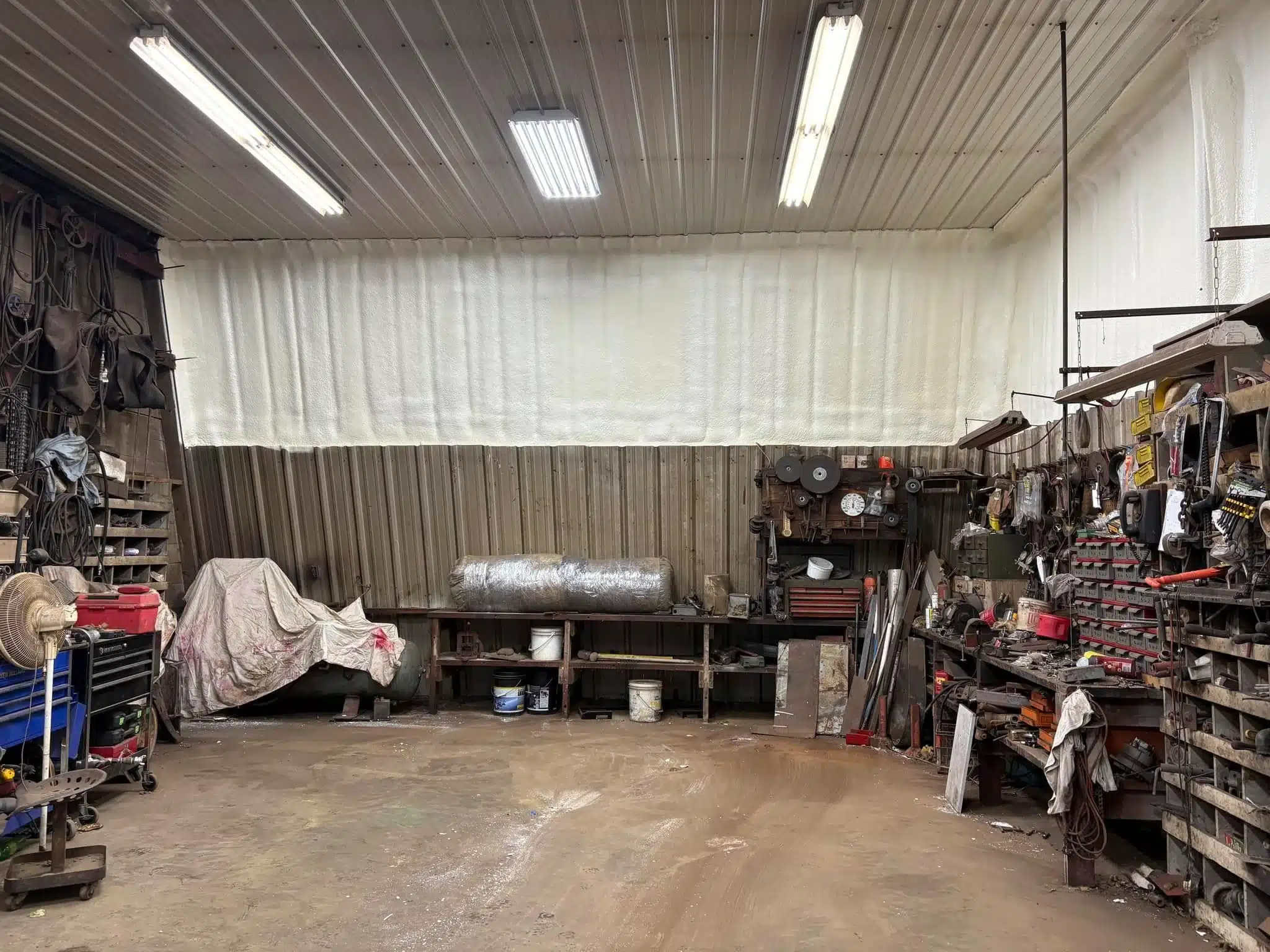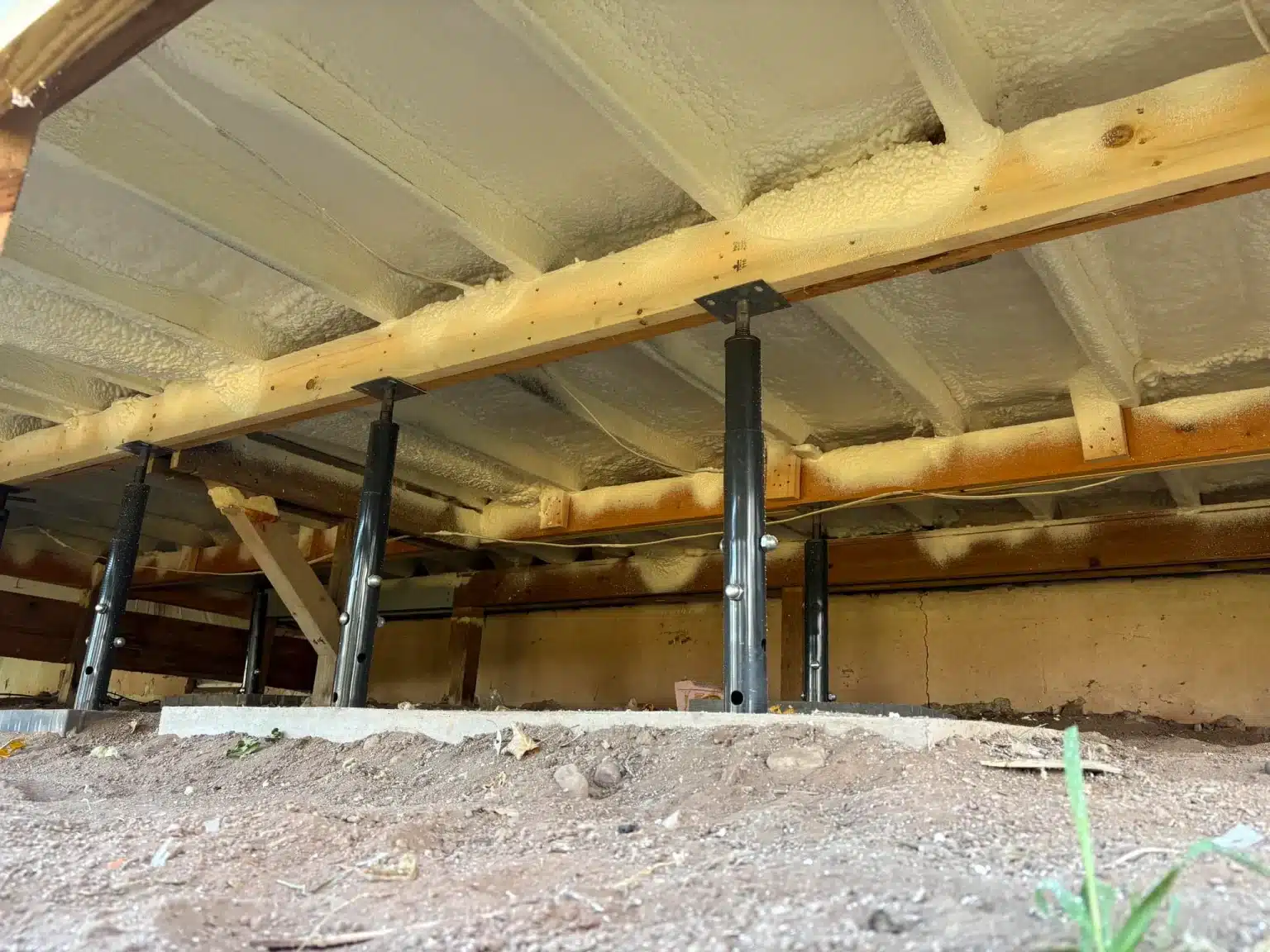
How Can Better Insulation Support Consistent Indoor Temperatures in Ashwaubenon, WI?
Better insulation supports consistent indoor temperatures in Ashwaubenon, WI by slowing heat transfer through your attic, walls, floors, and crawlspaces…

Concrete lifting is a proven process that raises sunken or uneven concrete slabs by injecting material beneath the surface to fill voids and restore level elevation. For homeowners and property owners in Waupaca, WI, this method addresses the specific combination of freeze-thaw cycles, expansive soils, and seasonal moisture shifts that make concrete settlement a recurring problem in central Wisconsin. The right approach depends on factors like the condition of the existing slab, the extent of settlement, soil composition beneath the surface, and whether the property is residential or commercial.
Understanding why your Concrete lifting Guide is the first step toward choosing the right repair. Waupaca sits in a region where the soil freezes solid every winter and thaws aggressively every spring. That seasonal cycle alone is enough to move slabs, but several other factors compound the problem:
Freeze-thaw soil movement. Frost beneath Wisconsin pavement surfaces can extend down 48 to 72 inches during winter Concrete Leveling – Wikipedia . When spring arrives, the upper layers thaw while deeper ground remains frozen, trapping moisture in the soil directly beneath concrete slabs. This trapped water softens the subgrade, and combined with daily freeze-thaw oscillation, it gradually destabilizes the slab above.
Soil consolidation and erosion. Naturally occurring soils in the upper Midwest consolidate over time. Poorly compacted backfill around foundations, water from heavy rain or improper drainage, and tree roots all contribute to soil movement beneath slabs.
Moisture inconsistency. Dry seasons cause soil to shrink, and wet seasons cause it to expand. This recurring expansion and contraction creates voids under concrete, allowing slabs to settle unevenly over years and sometimes months.
Not all concrete lifting approaches work the same way, and the method that fits your situation depends on slab condition, access, and long-term durability expectations. The table below breaks down the three primary methods.
| Method | How It Works | Hole Size | Best For | Key Drawbacks |
|---|---|---|---|---|
| Mudjacking | Cement-soil slurry pumped beneath slab under hydraulic pressure | 1 to 2 inches | Budget-conscious repairs, large open areas | Larger holes, shorter warranties, can erode over time |
| Limestone Grout Leveling | Pulverized limestone slurry injected at low pressure | 1 inch | Precisely controlled lifts, environmentally sensitive sites | Equipment must be within 100 ft of truck, requires cleanup |
| Expanding Polyurethane Foam | Two-part polymer injected, expands to fill voids and lift slab | Less than 1 inch | Wet climates, void filling, long-term stability, small access areas | Requires trained technicians, derived from petroleum products |
Polyurethane foam leveling has gained popularity in Wisconsin because cured closed-cell foam is hydrophobic, meaning it does not absorb or retain moisture. In a state where spring thaws routinely saturate the soil beneath slabs, a lifting material that resists water prevents the void from reforming. Expanding structural foam meets compressive strength requirements for highway slab support and provides lifting capabilities of up to 14,000 pounds per square foot.
Uneven concrete is more than an eyesore. It is a documented safety risk.
The National Council on Aging reports that 14 million Americans age 65 and older fall each year, with falls causing 38,000 deaths in 2021 alone. Hazards in the home and around the property, including uneven walking surfaces, contribute directly to these incidents. Once someone falls, their risk of falling again doubles. For property owners in Waupaca, where the population includes a significant share of older residents, addressing trip hazards is both a safety and liability priority.
Commercial and multifamily property owners also face accessibility compliance requirements. While standards limit allowable vertical changes in level, a settled sidewalk or driveway with a 3/4 inch drop between slabs remains a significant trip hazard. Concrete lifting resolves these level changes without the cost and disruption of full replacement.
Regardless of method, the basic process follows a predictable sequence:
The entire process is minimally disruptive to surrounding landscaping and structures. Compared to tearing out and repouring concrete, there is virtually no waste sent to landfills and no days-long curing period.
Choosing the right team for your Waupaca property makes a measurable difference in the quality and longevity of the result. Here are the qualities that set a reliable provider apart:
Local climate experience. A provider familiar with Wisconsin freeze-thaw cycles understands why your concrete settled and can advise on drainage or soil corrections to reduce future movement.
Transparent process. Look for clear explanations of the method being used, what it addresses, and what it does not. A thorough assessment should include checking whether the slab is structurally sound enough to lift, since concrete with extensive cracking may need replacement instead.
Warranty and follow-through. Polyurethane foam leveling typically carries longer warranty periods than mudjacking. Ask about warranty terms and what they cover, including whether the provider will re-evaluate if settlement recurs.
Efficient communication. A responsive team that answers questions about timeline, site preparation, and post-repair care signals professionalism and respect for your property.
Concrete lifting addresses a range of property types and surface areas in the Waupaca area:
Proseal Spray Foam serves with professional concrete lifting services in Waupaca, WI area designed to restore safety, accessibility, and property value. Our team evaluates each project individually, recommending the method that best fits the slab condition, soil situation, and long-term goals for your property. Contact us at (715) 227-6295 or email [email protected] to discuss your uneven concrete concerns and get started.
Request a Quote | Schedule an Assessment
The primary cause is freeze-thaw soil movement. Frost penetrates 48 to 72 inches beneath Wisconsin pavement surfaces each winter, and the spring thaw traps moisture in the soil directly beneath slabs. Poor drainage, soil erosion, and naturally consolidating soils compound the problem over time.
Most residential projects are completed within a few hours, and the surface is usable the same day. This is a major advantage over full slab replacement, which requires demolition, forming, pouring, and days of curing time.
Polyurethane foam is generally the better choice for Waupaca conditions. The cured closed-cell foam is hydrophobic, meaning it does not absorb water or erode during spring thaws. It also requires smaller injection holes and typically carries longer warranty periods than mudjacking.
No. If the slab has extensive cracking, severe structural deterioration, or has broken into multiple unconnected pieces, replacement may be the only option. Our team assesses each slab during the initial evaluation to determine whether lifting is viable.
Lifting restores the slab to its original elevation, which can correct drainage patterns that were disrupted by settling. However, if the underlying drainage issue, such as poor gutter discharge or grading, is not addressed, the soil beneath the slab may continue to shift over time. We evaluate drainage as part of our assessment.