Why Consider Open-Cell Spray Foam Insulation for Residential Properties in Oshkosh, WI?
Choose open-cell spray foam insulation Oshkosh WI homes can use for dry walls and attics. It seals air leaks, softens…


Choose open-cell spray foam insulation Oshkosh WI homes can use for dry walls and attics. It seals air leaks, softens noise, and costs less than closed-cell foam. It works best where moisture is controlled, so cold-climate roof decks and drywall need a different plan. Free quotes available.
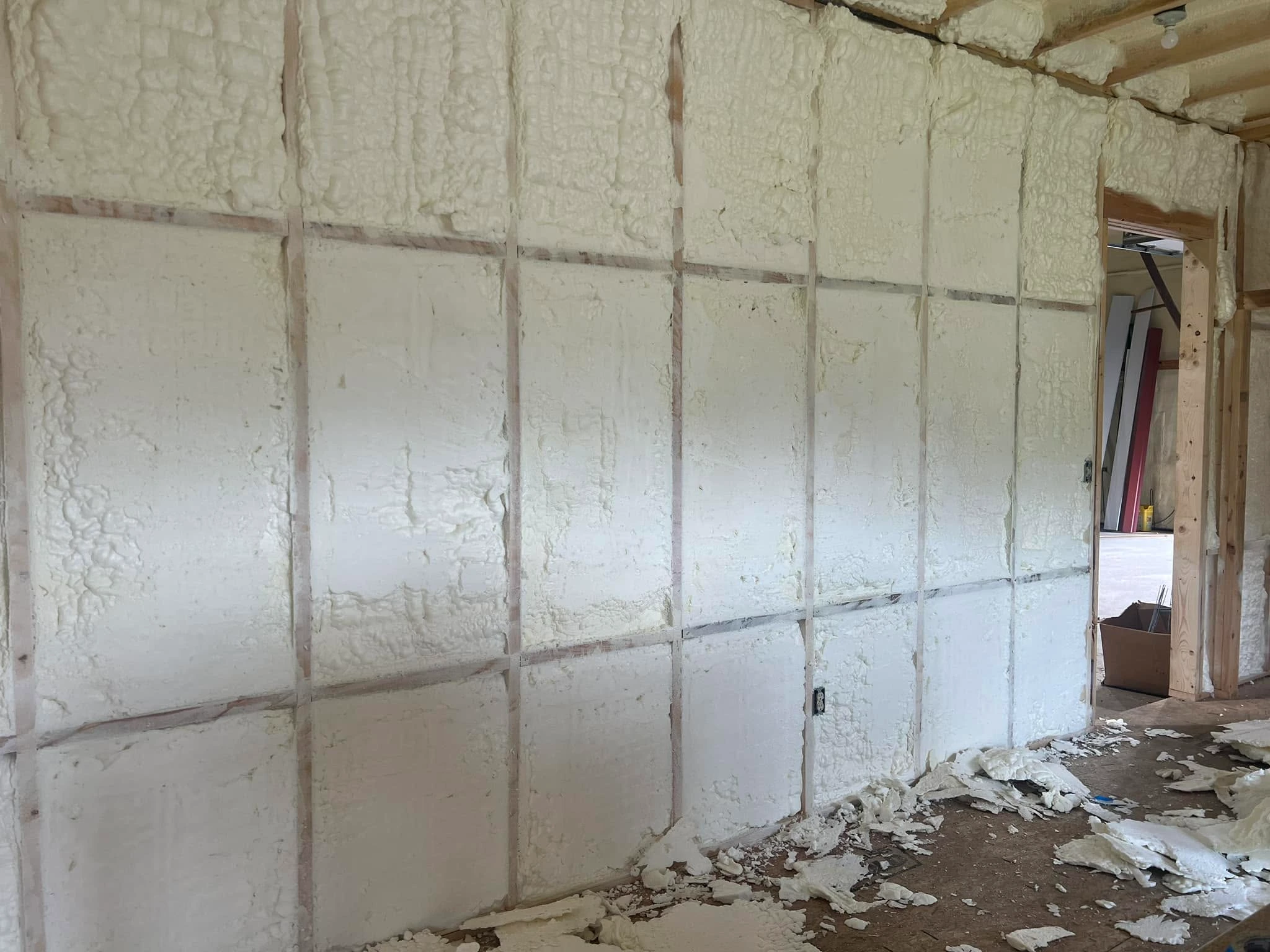
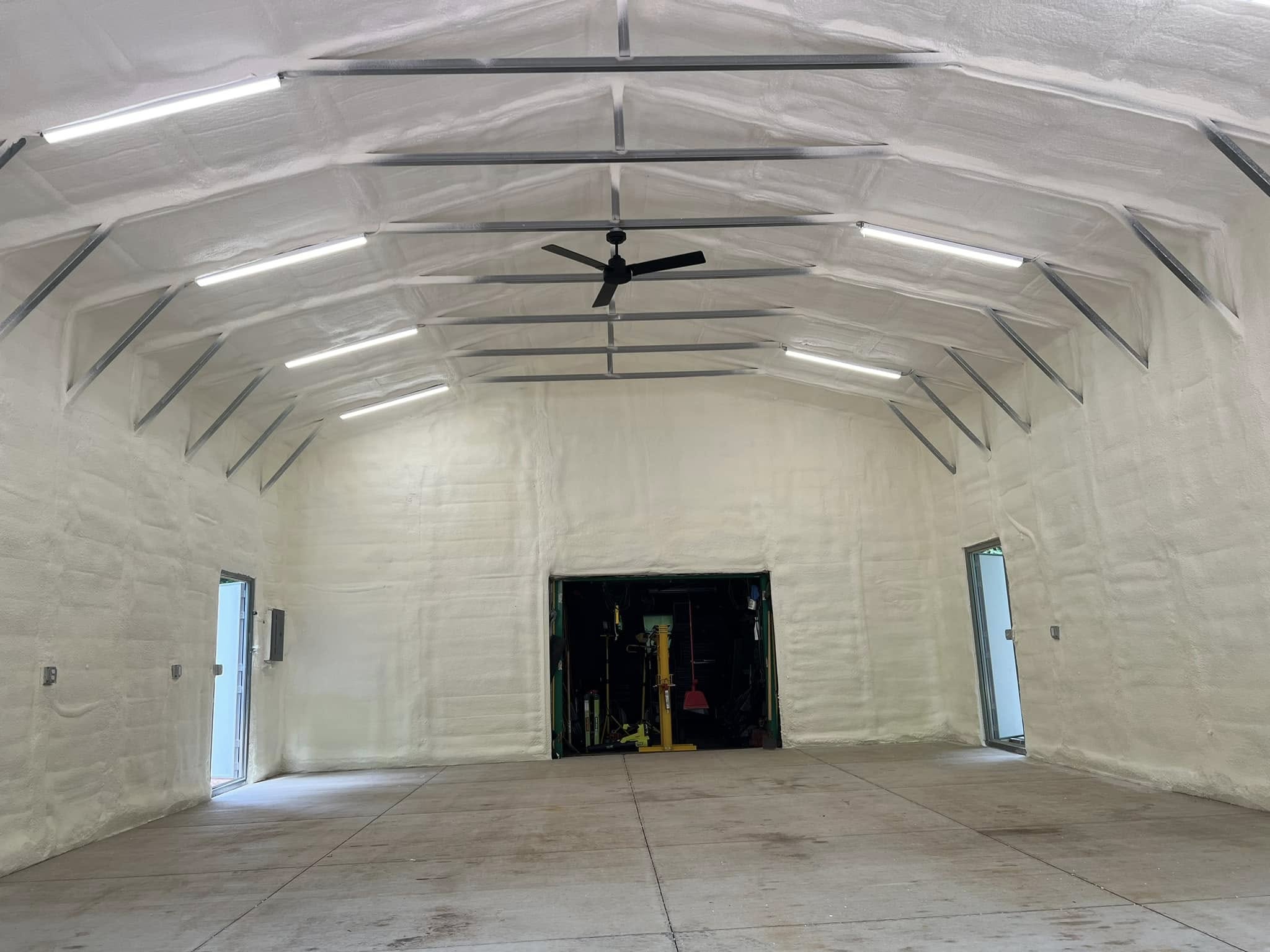
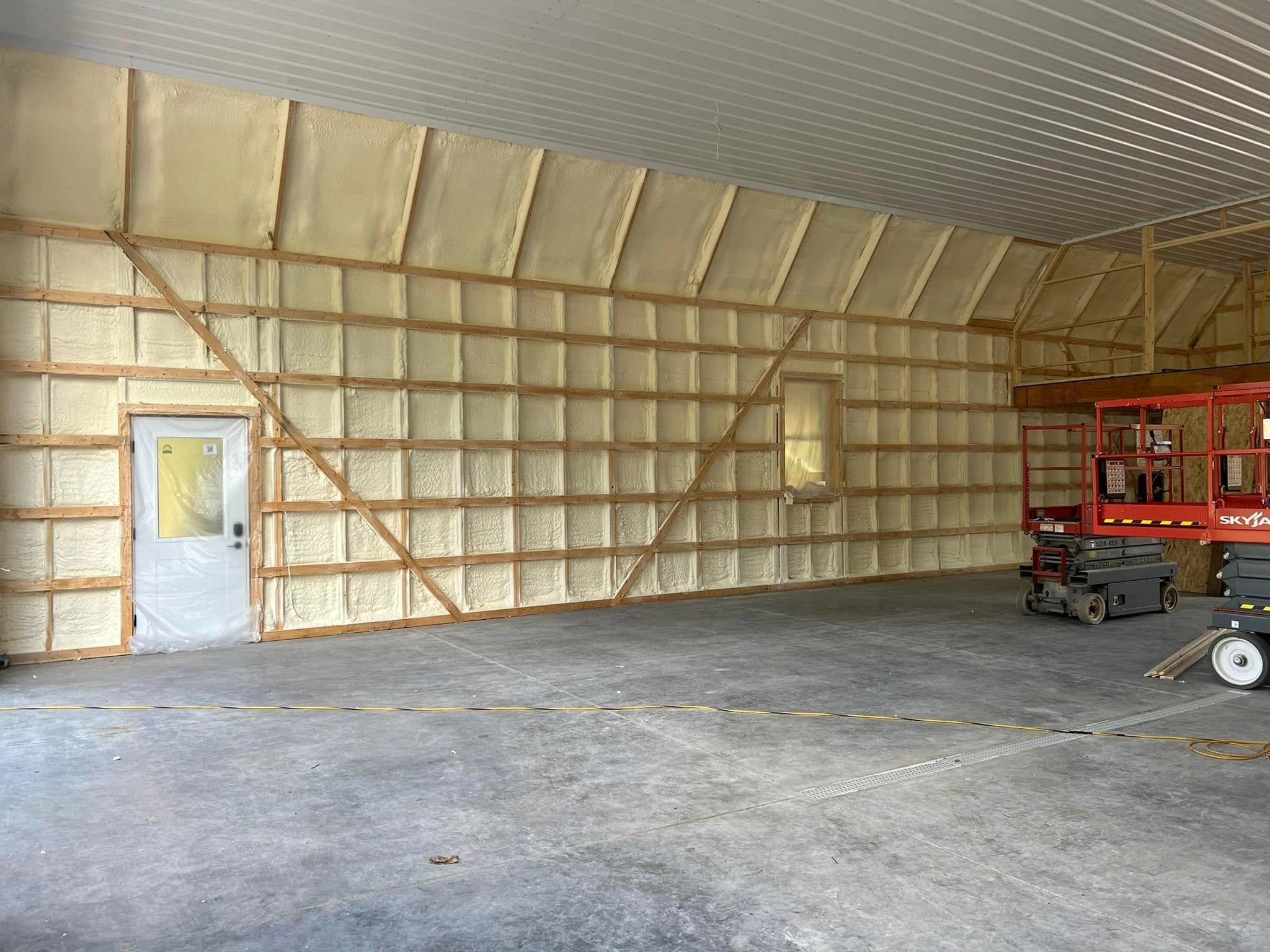
Open-cell foam is a soft, lightweight insulation that goes on as a liquid and puffs up. It fills gaps that batts and blown-in insulation often miss.
The EPA describes open-cell foam as a low-density, half-pound product. It’s a two-component, high-pressure system for professional installers, with an R-value of about 3.5 per inch. That makes it a common pick for residential spray foam insulation where a crew needs to seal and insulate in one visit.
Winters here are long, and every draft makes your furnace work harder. The main open-cell spray foam benefits come down to a few practical points.
Here’s an example. Picture a 1950s ranch with a drafty attic hatch and a bedroom wall that picks up street noise. Open-cell foam can address both problems in the same visit. Closing those gaps also tends to reduce the cold spots you notice most near exterior walls.
The two foams look alike on a quote but behave differently once they’re in your walls. Green Building Advisor lists open-cell foams at roughly R-3.5 to R-4 per inch and most closed-cell foams at roughly R-6 to R-7.1.
| Feature | Open-Cell | Closed-Cell |
|---|---|---|
| R-value per inch | About 3.5 to 4 | About 6 to 7 |
| Density | About 0.5 lb/ft³ | About 2 lb/ft³ |
| Vapor | Lets vapor pass | Resists vapor |
| Cost | Generally lower | Generally higher |
| Best fit | Dry attics, interior walls | Damp areas, cold-climate roof decks |
Closed-cell packs more R-value into a thin space. Open-cell wins when you have depth to fill and a budget to protect.
Yes in many spots, but not everywhere. Moisture is the issue, because open-cell foam lets vapor move through it.
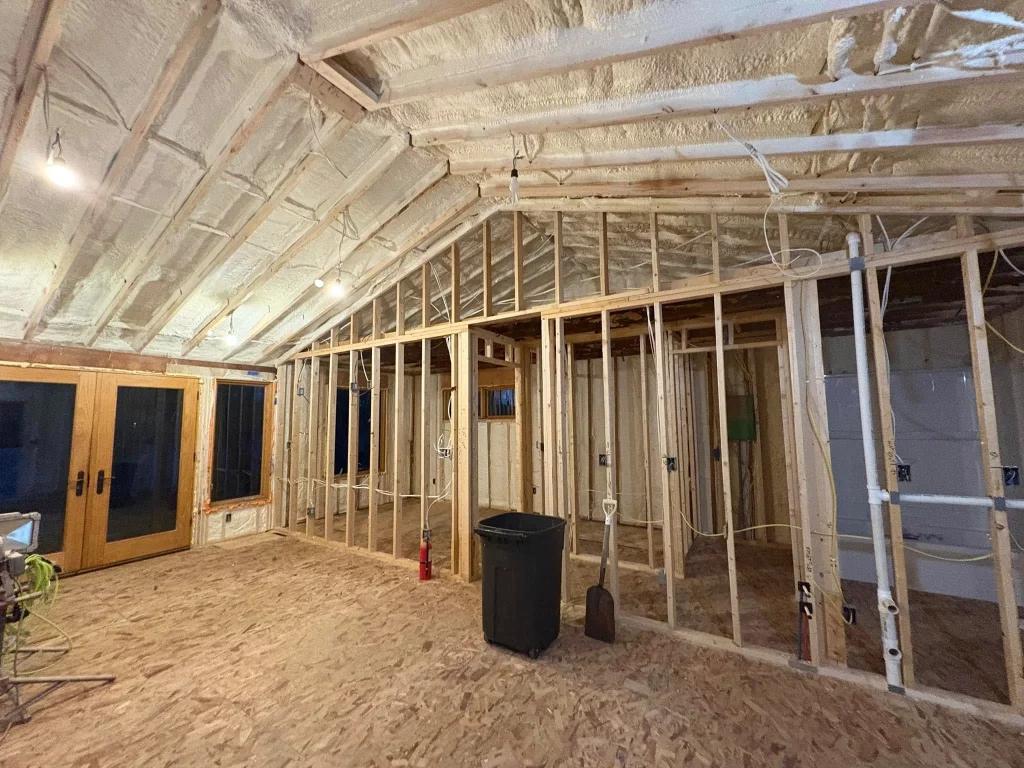
For unvented conditioned attics in Climate Zone 5 and higher, Building Science Corporation says only high-density closed-cell foam should go on the roof deck. It calls an effective vapor control layer on open-cell foam difficult and impractical. In walls, open-cell can work when an interior vapor retarder controls condensation, typically a paint coating on the drywall.
The sources don’t fully agree. Green Building Advisor’s open-cell opinion piece praises the foam, yet its own comment thread says open-cell in a cold-climate roof should always have a vapor retarder. We trust the more cautious building-science guidance for roof decks.
In practice, a vented attic floor or an interior wall can suit an open-cell well. An unvented roof deck usually calls for a different plan.
Foam is hard to undo, so fix the cause of any problem first. A short checklist saves money and callbacks.
If your attic runs cold or a wall feels drafty in January, we can look at it with you. Proseal Spray Foam serves Oshkosh, WI, and we offer free quotes. We’ll tell you plainly whether an open-cell fits your house or another foam makes more sense.
Cold-climate ceilings often target around R-49, which works out to roughly 13 to 14 inches of open-cell at R-3.5 to R-4 per inch. We confirm the exact depth for your attic.
It’s usually not the best choice there. Open-cell absorbs moisture, so damp areas typically call for closed-cell foam, and we check for dampness first.
Plan to stay out of the work area. Only workers with protective gear should be there during spraying, so ask us how long to wait before you move back in.
Often, yes. Foam bonds best to clean, dry framing, so loose or damaged old insulation usually has to be removed before spraying.
It can help. Its soft structure tends to absorb sound a little better than closed-cell foam, though results depend on thickness and where the noise enters.