Why Consider Open-Cell Spray Foam Insulation for Residential Properties in Oshkosh, WI?
Choose open-cell spray foam insulation Oshkosh WI homes can use for dry walls and attics. It seals air leaks, softens…


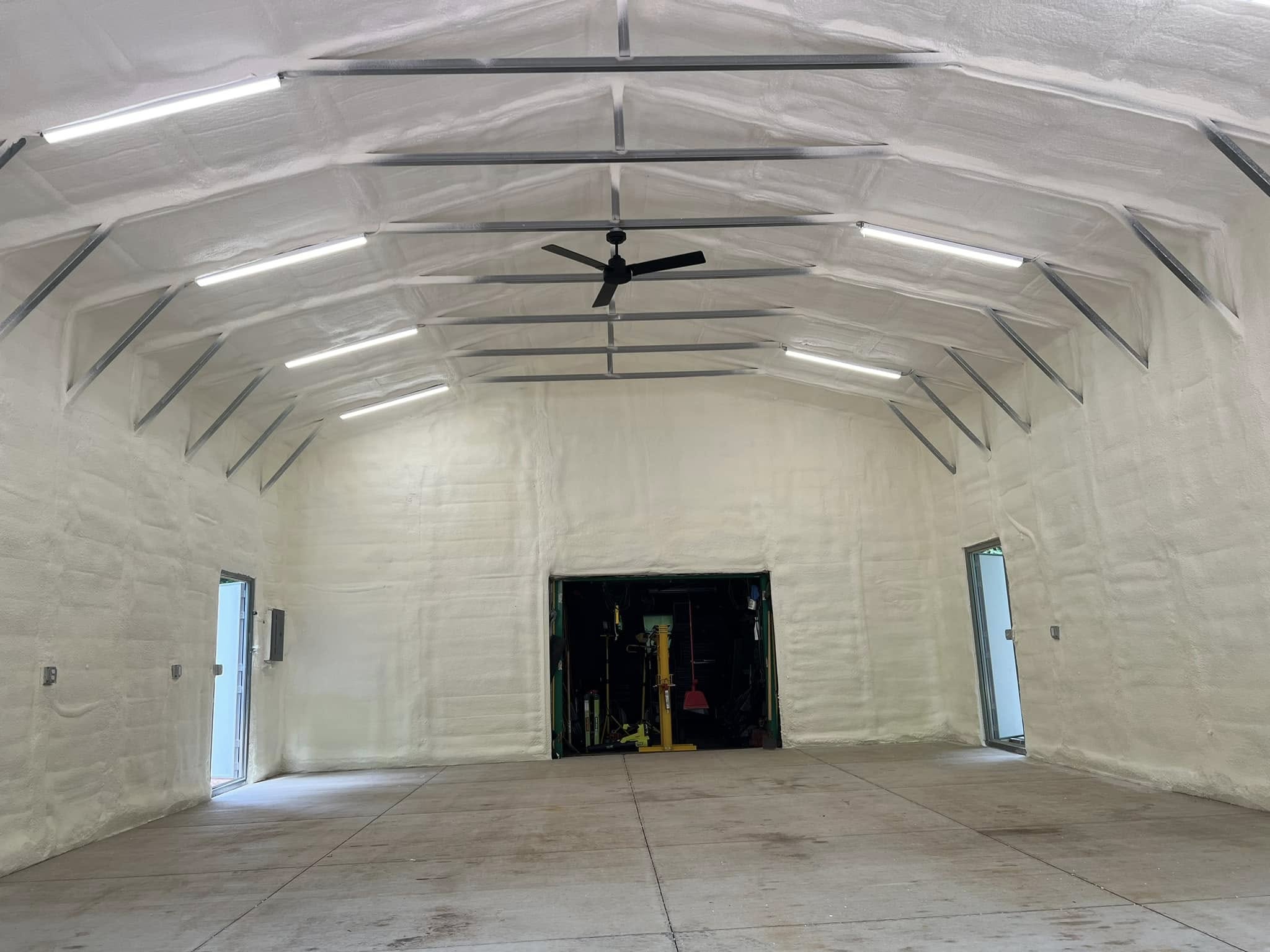
Spray foam re-entry time usually runs about 24 hours, but your installer’s product data sheet sets the real number. Everyone, pets included, should stay out during spraying and until the foam has cured, the house has been ventilated, and cleanup is done. Some newer low-VOC foams allow shorter waits, so get your exact time in writing before installation day.
TL;DR
Spray foam starts as two liquid chemicals that react on the wall or roof deck. That reaction is what makes the foam, and it’s also why people shouldn’t be inside while it happens.
The EPA says occupants and other workers should vacate during installation, and re-entry should wait until the product has finished curing and the building has been ventilated and cleaned. People who walk in too soon could breathe residual vapors from uncured foam. They could also breathe dust that carries isocyanates if the foam was trimmed or disturbed.
Spray foam installation involves several important steps, from application and curing to ventilation and safe re-entry. For a complete overview of the process, read our complete guide to spray foam insulation.
Good spray foam installation safety starts with this simple rule: if you’re not wearing protective gear and trained to be there, you stay out.
No single number fits every house. The EPA notes that safe re-entry depends on the product formulation and other things that change how fast the foam cures. Here’s what usually moves the clock:
Spray foam insulation curing time also isn’t the same as how the foam feels. Foam can feel dry to the touch within minutes and still not be ready for you to move back in.
A lot of homeowners hear “it cures in a day” and assume that means the house is ready. Those are two different checkpoints.
| Stage | What’s Happening | Who Can Be Inside |
|---|---|---|
| During Spraying | Chemicals mixing and expanding | Trained applicators in protective gear only |
| Curing and Venting | Foam finishing its reaction, fans clearing the air | No one without protective gear |
| After Re-Occupancy Time | Ventilation and cleanup complete | You, your family and your pets |
Some manufacturers recommend about 24 hours before residents return, but the EPA says that time may vary and tells you to confirm it with the supplier for your specific product.
Ventilation is what turns a freshly sprayed house back into a livable one. Fans pull vapors out and bring clean air in, and the job isn’t done until that has happened.
The EPA ventilation guidance says occupants shouldn’t re-enter until the building is fully ventilated. It also calls for airflow across the work area and exhaust to a safe spot outside. Because spray foam ventilation requirements differ by product and by house layout, ask us for the plan before the job and for the manufacturer’s ventilation time.
Don’t shorten the process by sealing the house back up early. Open air paths and running fans are doing real work while you’re away.
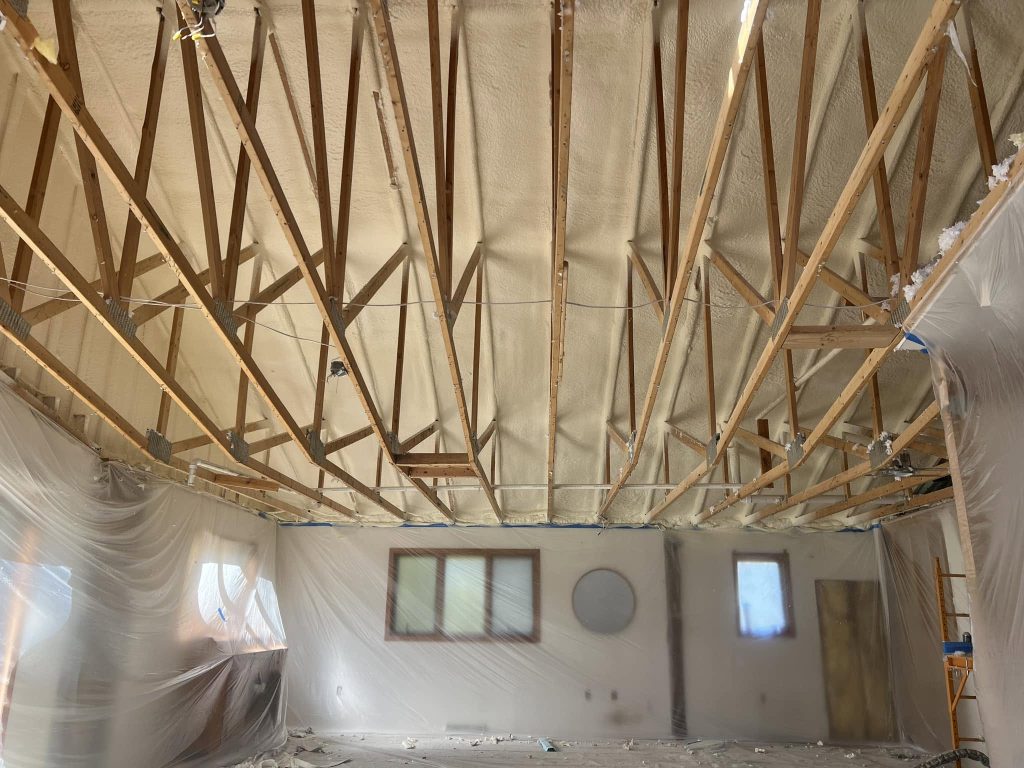
Planning ahead keeps the wait from turning into a scramble. For a residential spray foam installation, we suggest lining up a place to stay before the crew arrives.
The CPSC homeowner guidance says you should make sure your contractor explains the specific product being used and how it will be installed. It also advises using caution when settling on a re-entry time with your contractor.
Don’t treat the clock as the only test. When you come home, confirm a few things first:
If you have any doubt, call us before you go in. Waiting a few extra hours costs far less than guessing wrong.
A clear plan makes the whole project easier on your family. At Proseal Spray Foam, we’ll walk you through the product, the ventilation, and the re-occupancy time before we spray anything.
We offer a free quote, and you can ask all of these questions during that conversation.
It’s best not to. Vapors can linger in the air until ventilation is complete, so pack what you need ahead of time.
No. Air moves through the whole house, so everyone leaves, no matter where the foam is going.
Extra caution makes sense. The EPA tells decision-makers to consider vulnerable people such as children, so ask us about adding a buffer beyond the stated time.
Not reliably. A lack of odor isn’t proof, so go by the manufacturer’s re-occupancy time and the completed ventilation instead.
Yes. Trimming and cleanup can stir up dust, so stay out until we tell you the work area is cleared and the wait time is up.