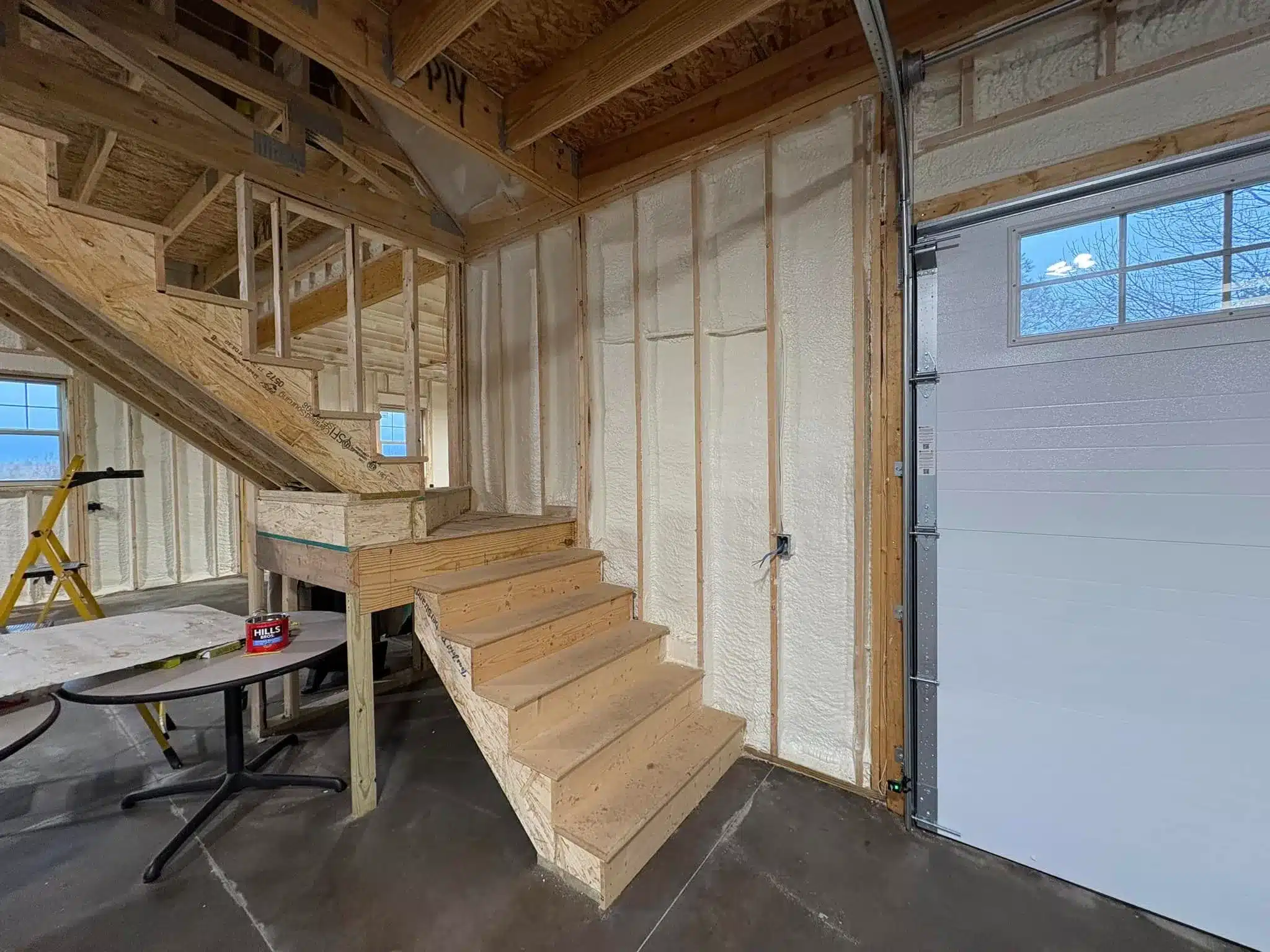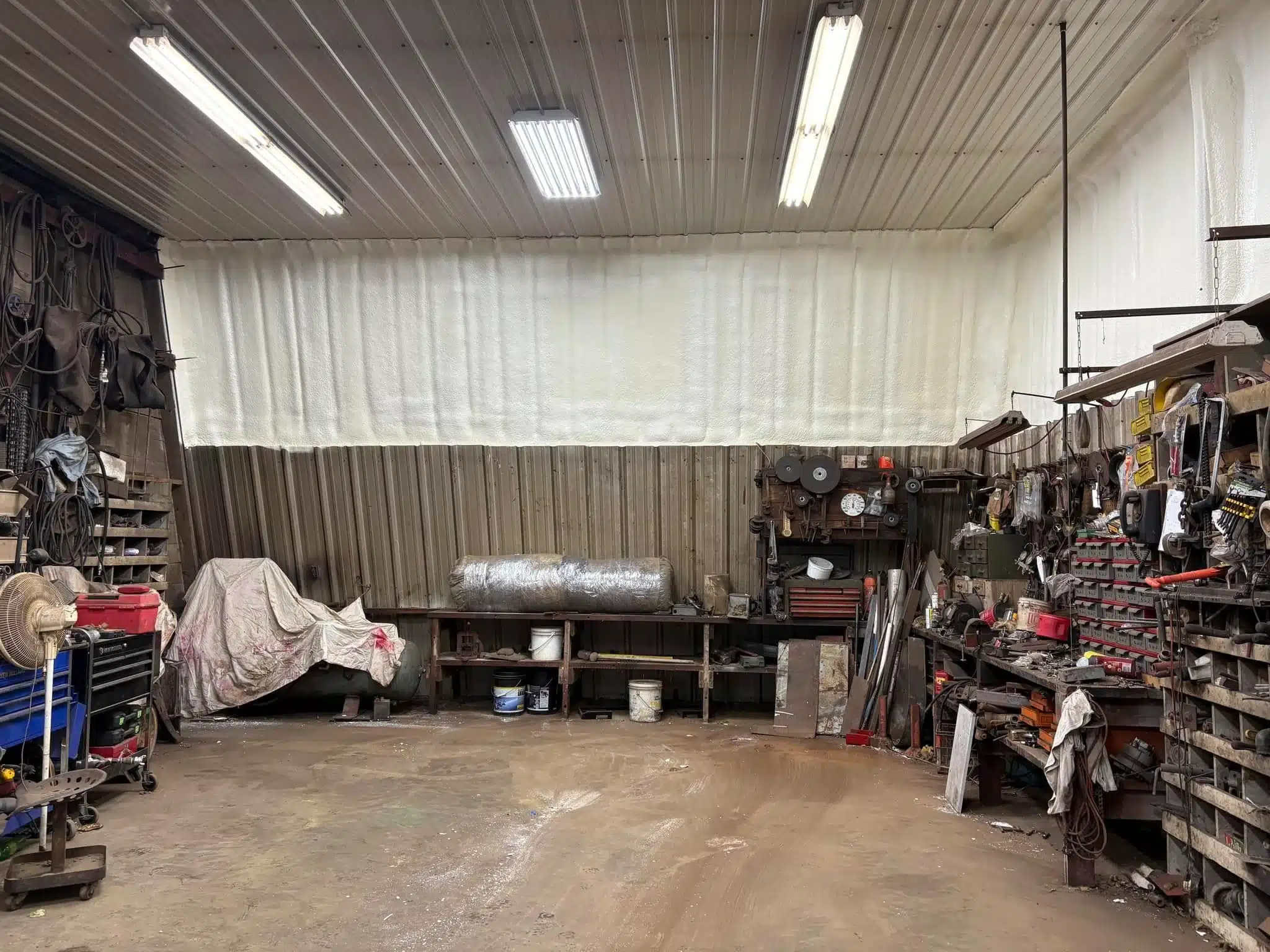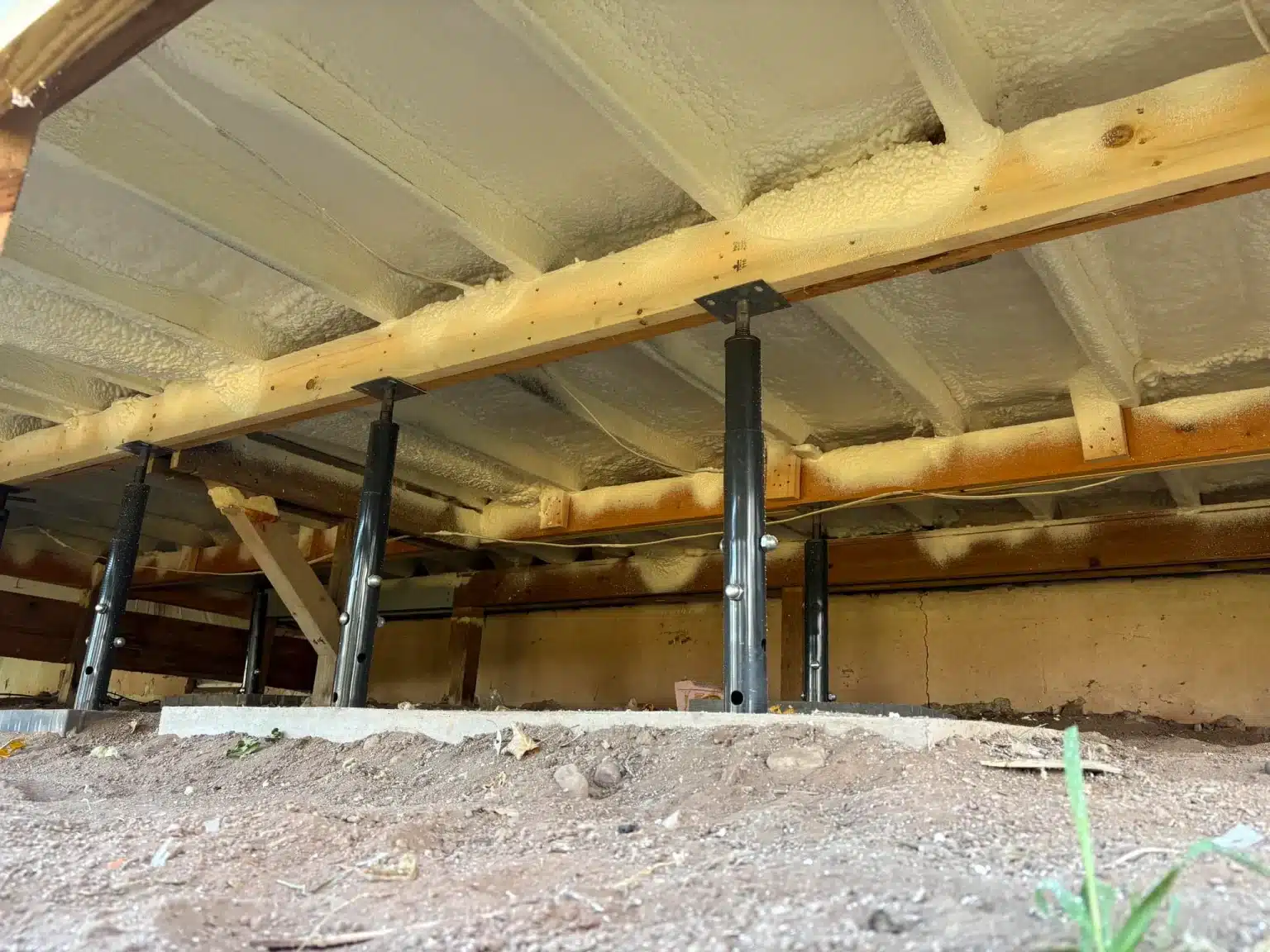
How Can Better Insulation Support Consistent Indoor Temperatures in Ashwaubenon, WI?
Better insulation supports consistent indoor temperatures in Ashwaubenon, WI by slowing heat transfer through your attic, walls, floors, and crawlspaces…

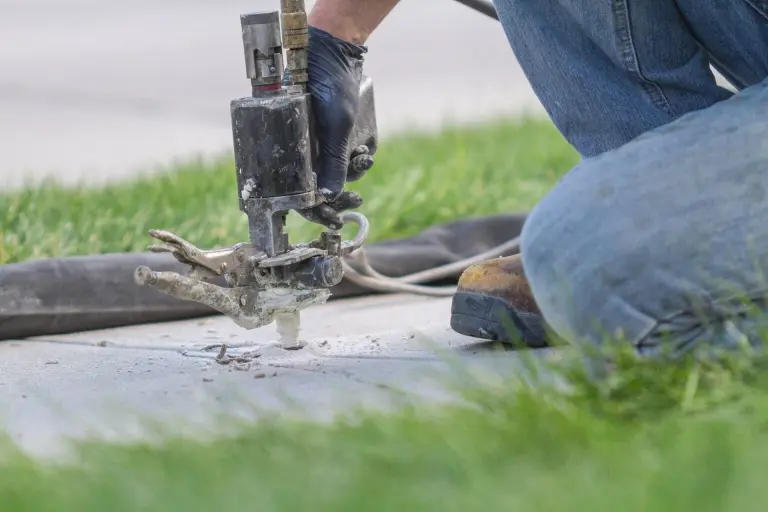
Concrete sinks when the soil beneath it shifts, washes away, or compresses, leaving the slab without uniform support. Over time, that lack of support causes sections of concrete to drop, crack, and create uneven surfaces that are both hazardous and structurally damaging. Concrete lifting companies, specifically through polyurethane foam injection, reverses this problem by filling voids beneath the slab and raising it back to a level position without the need for full replacement.
Understanding why concrete sinks requires looking at the relationship between the slab and the ground beneath it. A concrete slab is only as stable as the soil supporting it. When that support system fails, settlement follows.
The most preventable cause of sinking concrete is inadequate soil compaction before the slab is poured. When soil is not properly compacted to at least 95% of its maximum dry density, it naturally settles over time under the weight of the concrete and everything placed on it [source]. This creates voids and uneven support, leading to differential settlement where one section of a slab sinks more than another. In homes with basements, the backfill around the foundation is especially vulnerable because it is frequently not compacted properly during construction. According to engineering standards, backfill should be compacted in layers no more than six inches thick to prevent subsequent settlement issues.
Soil erosion is a process that displaces the upper layer of soil through the action of water, wind, and other forces. Beneath concrete slabs, water is the primary culprit. When rain, flooding, or plumbing leaks channel water under a slab, the soil supporting it gets washed away. This creates empty spaces, or voids, where the concrete has no support at all. Over time, the slab settles into those voids under its own weight and the weight of vehicles, equipment, or structures on top of it. Surface runoff that concentrates along the edges of slabs due to poor grading or improper drainage patterns accelerates this process significantly.
Expansive clay soils present a unique and persistent problem for concrete slabs. These clay soils contain minerals like montmorillonite and smectite that undergo large volume changes in response to moisture. During wet seasons, the clay absorbs water and swells, exerting upward pressure on the slab. During dry periods, the clay shrinks as it loses moisture, leaving gaps beneath the concrete. This repeated swelling and shrinking cycle causes concrete to move up and down over time, leading to cracking, uneven surfaces, and structural stress. Soils with a plasticity index over 35 are classified as having high expansion potential, and liquid limits over 50 indicate significant swelling characteristics.
Soil consolidation is the gradual process by which saturated soils decrease in volume under applied pressure. When a heavy concrete slab is placed on soil saturated with water, the weight is initially borne by the water trapped in the soil pores rather than by the soil particles themselves. Over time, as that water is squeezed out and drains away, the soil particles pack more tightly together and the ground surface drops. This process is most pronounced in clay-rich soils with low permeability, where consolidation can continue for years or even decades after construction. The settlement occurs gradually and is often uneven, making it particularly damaging to large, continuous slabs.
Other factors can accelerate or worsen concrete settlement. Freeze-thaw cycles in colder climates cause soil to heave when water in the ground freezes and expands, then settle when it thaws. Tree roots growing beneath or near slabs can displace soil and create voids. Organic material buried during construction, such as tree stumps or root systems, decomposes over time and leaves behind cavities. Earthquakes and seismic activity can also shift the ground supporting concrete, leading to sudden and uneven settlement.
| Cause | Mechanism | Speed of Settlement | Reversibility |
|---|---|---|---|
| Poor compaction | Soil compresses under load | Gradual, years | Repairable via lifting |
| Soil erosion | Water washes away supporting soil | Moderate to rapid | Repairable if drainage fixed |
| Expansive clay | Moisture-driven swell and shrink | Cyclical, seasonal | Manageable with stabilization |
| Consolidation | Water squeezed from saturated soil | Very slow, decades | Repairable via lifting |
| Freeze-thaw | Frost heave and thaw settlement | Seasonal | Repairable via lifting |
| Decomposing organics | Material breaks down leaving voids | Slow, years | Repairable via lifting |
Concrete lifting, also known as slabjacking, is a repair technique that raises sunken concrete back to its original level without removing and replacing the slab. The process has been used since the early 20th century and has evolved from simple soil-cement mixtures to advanced polymer-based systems.
The most widely used modern method for concrete lifting involves injecting expanding polyurethane foam beneath the slab. Here is how the process works:
Closed-cell polyurethane foams used in lifting applications can provide baseline lifting capabilities of approximately 6,000 pounds per square foot, and some formulations achieve compressive strengths of 50 to 100 psi in a free-rise state. That equates to 7,200 to 14,000 pounds of support per square foot.
Traditional mudjacking uses a mixture of soil, sand, water, and cement pumped under the slab to create hydraulic lift. While mudjacking has been used for decades, polyurethane foam offers several distinct advantages for concrete lifting applications.
| Feature | Polyurethane Foam Lifting | Mudjacking |
|---|---|---|
| Hole size | Less than 1 inch | 1 to 3 inches |
| Cure time | Minutes to hours | 24 to 72 hours |
| Weight of material | Lightweight | Heavy, adds load to weak soil |
| Erosion resistance | Closed-cell, hydrophobic, does not erode | Can erode if not properly cured |
| Soil stabilization | Consolidates and densifies loose soil | Limited soil stabilization |
| Cleanup required | Minimal | Significant slurry cleanup |
| Reaches confined spaces | Mobile units access tight areas | Truck-based equipment limits reach |
One of the most significant differences is that polyurethane foam does not retain moisture and will not erode when subjected to rainwater once cured. Mudjacking material, by contrast, is a cement-based slurry that can be susceptible to erosion if the underlying soil continues to wash away. Additionally, the lightweight nature of polyurethane means it does not add significant weight to already compromised soil, reducing the risk of further settlement.
| Scenario | Home Type | Problem | Solution | Outcome |
|---|---|---|---|---|
| Sunken garage apron | 1990s ranch home in Waupaca, WI | Backfill settled around foundation, causing 2-inch drop at garage entrance | Polyurethane foam injection through 5/8-inch holes | Apron raised to level, proper drainage slope restored, garage door operates normally |
| Uneven pool deck | 2,000 sq ft home with concrete pool surround | Water erosion from improper drainage created voids under deck sections | Targeted foam injection to fill voids and lift settled sections | Tripping hazards eliminated, deck returned to original grade |
| Settled basement floor | Home with 20-year-old poured basement | Soil consolidation beneath slab caused floor to drop 1.5 inches | Foam injection with void filling and slab raising | Floor leveled, ready for finished flooring installation |
| Sinking driveway slabs | Home on expansive clay soil | Seasonal moisture changes caused differential settlement of three driveway sections | Foam lifting combined with soil stabilization | Even surface restored, vehicle access improved |
Concrete lifting is not limited to residential properties. Sidewalks, warehouse floors, airport runways, highways, and municipal infrastructure all experience settlement problems and benefit from foam leveling. The Illinois Tollway, for example, has recognized polyurethane foam as a method that meets compressive strength requirements for supporting highway slabs. The ability to complete repairs rapidly, with the concrete usable within hours rather than days, makes foam leveling especially valuable for commercial and public infrastructure where downtime carries real costs.
Lifting sunken concrete addresses the immediate problem, but preventing future settlement requires attention to the conditions that caused it in the first place.
Water is the primary driver of soil erosion and settlement beneath concrete. Before any lifting project, identify and correct drainage problems directing water under or along the edges of slabs. This includes gutters, downspouts, grading, and surface water flow patterns.
In areas with expansive clay soils, consider chemical soil stabilization or moisture barrier installation to reduce the moisture fluctuations that cause repeated swelling and shrinking. Maintaining consistent soil moisture around foundations and slabs is one of the most effective long-term prevention strategies.
Watch for cracks forming in concrete, especially those that appear to be widening or growing. Pay attention to doors and windows that begin sticking, which can indicate foundation movement. Address small settlement issues early before they become major structural problems.
Underground plumbing leaks are a common and often hidden cause of soil erosion beneath concrete slabs. Even small, slow leaks can wash away significant amounts of supporting soil over time. If you notice unexplained dampness, reduced water pressure, or higher-than-expected water bills, investigate promptly.
Concrete lifting requires specialized equipment, trained technicians, and precise material handling. Improper installation of polyurethane foam can result in uneven lifting, incomplete void filling, or excessive heat buildup. A professional assessment will determine whether lifting is even the right solution, as slabs with excessive cracking or structural deterioration may need replacement instead.
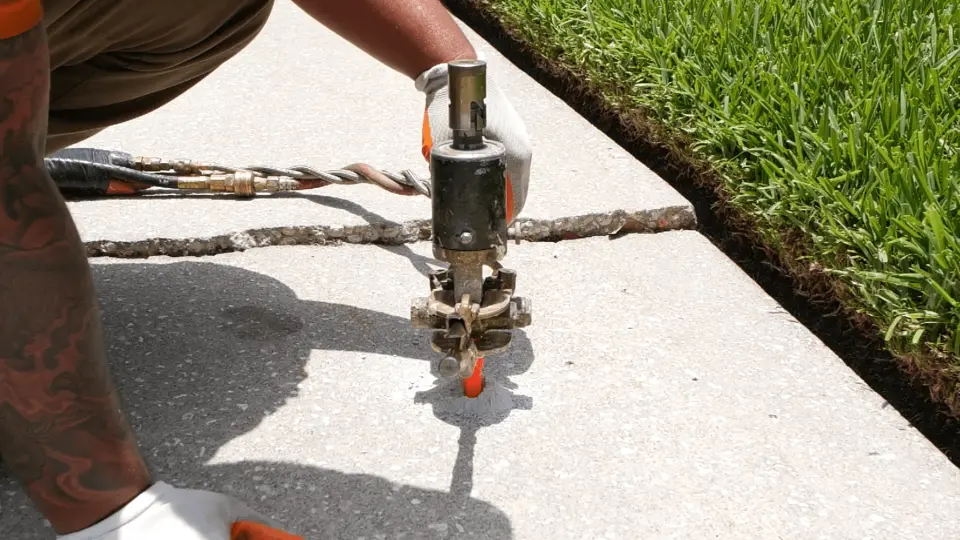
Several variables influence how well and how permanently a concrete lifting repair performs.
Proseal Spray Foam serves homeowners and property owners in Waupaca, Wisconsin and the surrounding areas with professional concrete lifting solutions using advanced polyurethane foam technology. Our experienced team evaluates each project individually, determining the root cause of settlement and recommending the most effective repair strategy. Whether you are dealing with a sunken driveway, an uneven garage floor, or a settled sidewalk, we have the expertise and equipment to restore your concrete to its proper position.
Contact us today to discuss your concrete leveling needs. Call us at (715) 227-6295 or email [email protected] to request a quote or schedule an on-site assessment.
Request a Quote | Schedule an On-Site Assessment
Most residential concrete lifting projects are completed within a few hours, and the concrete is typically ready for use the same day. The polyurethane foam cures within approximately 30 minutes, so there is minimal downtime compared to traditional concrete replacement, which can take several days to cure.
Not always. Concrete that is severely cracked, crumbling, or structurally compromised may not hold together during the lifting process. A professional assessment is necessary to determine whether lifting is feasible or if replacement is the better option. Generally, concrete in fair to good structural condition responds well to foam leveling.
Polyurethane foam injection is a minimally invasive process. The small injection holes, typically less than one inch in diameter, create far less disruption than tearing out and replacing concrete. There is minimal mess, no heavy equipment tracking across your yard, and the surrounding landscaping remains largely undisturbed.
When the underlying cause of settlement is addressed, such as correcting drainage issues or stabilizing expansive soils, concrete lifting repairs can last decades. The polyurethane foam itself is a permanent material that does not degrade, erode, or wash away. The key to long-term success is fixing the conditions that caused the settlement in the first place.
Polyurethane foam is a plastic-based product, and there are environmental considerations with any synthetic material. The foam cures quickly and becomes inert once hardened. The small volume of material used in most residential projects, combined with the elimination of concrete waste that would otherwise go to landfills, makes lifting a repair option with less overall environmental impact than full slab replacement.