How Spray Foam Insulation Helps Protect Sensitive Interior Spaces From Outdoor Drafts in Weston, WI
If your home or office feels freezing in January or a nursery stays drafty despite cranking up the heat, the…

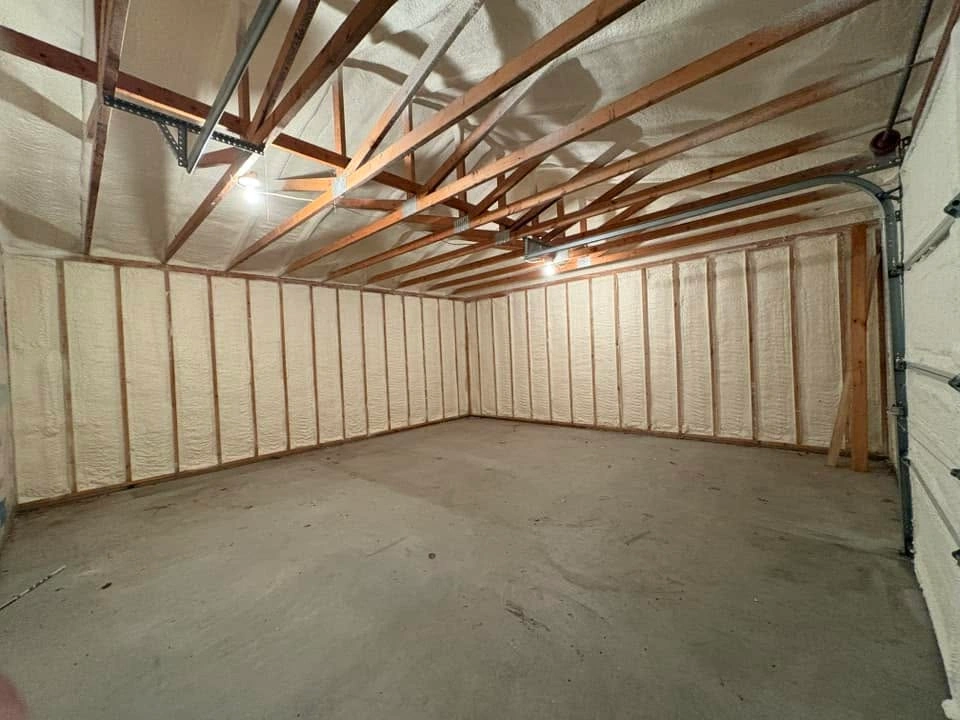
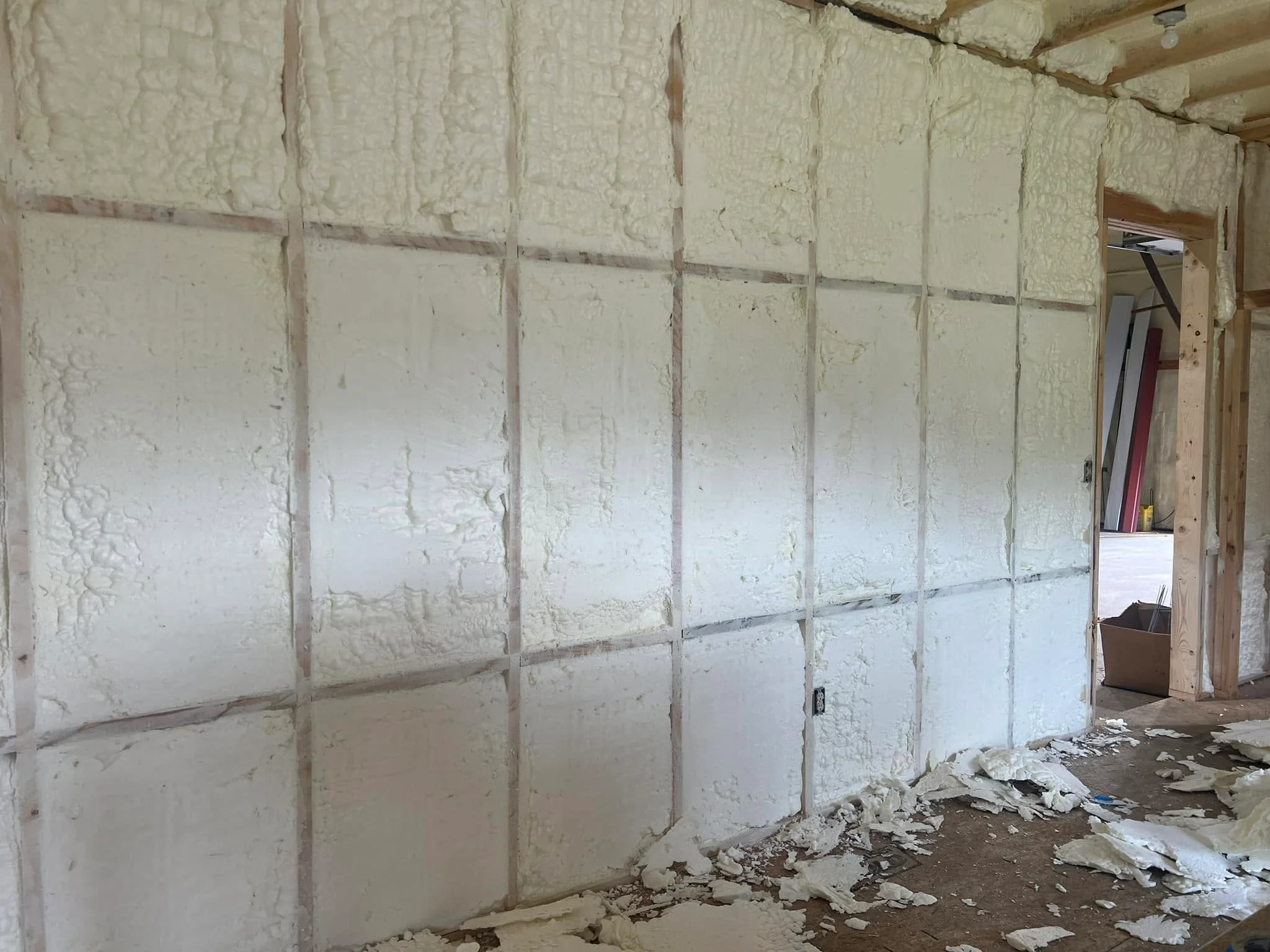
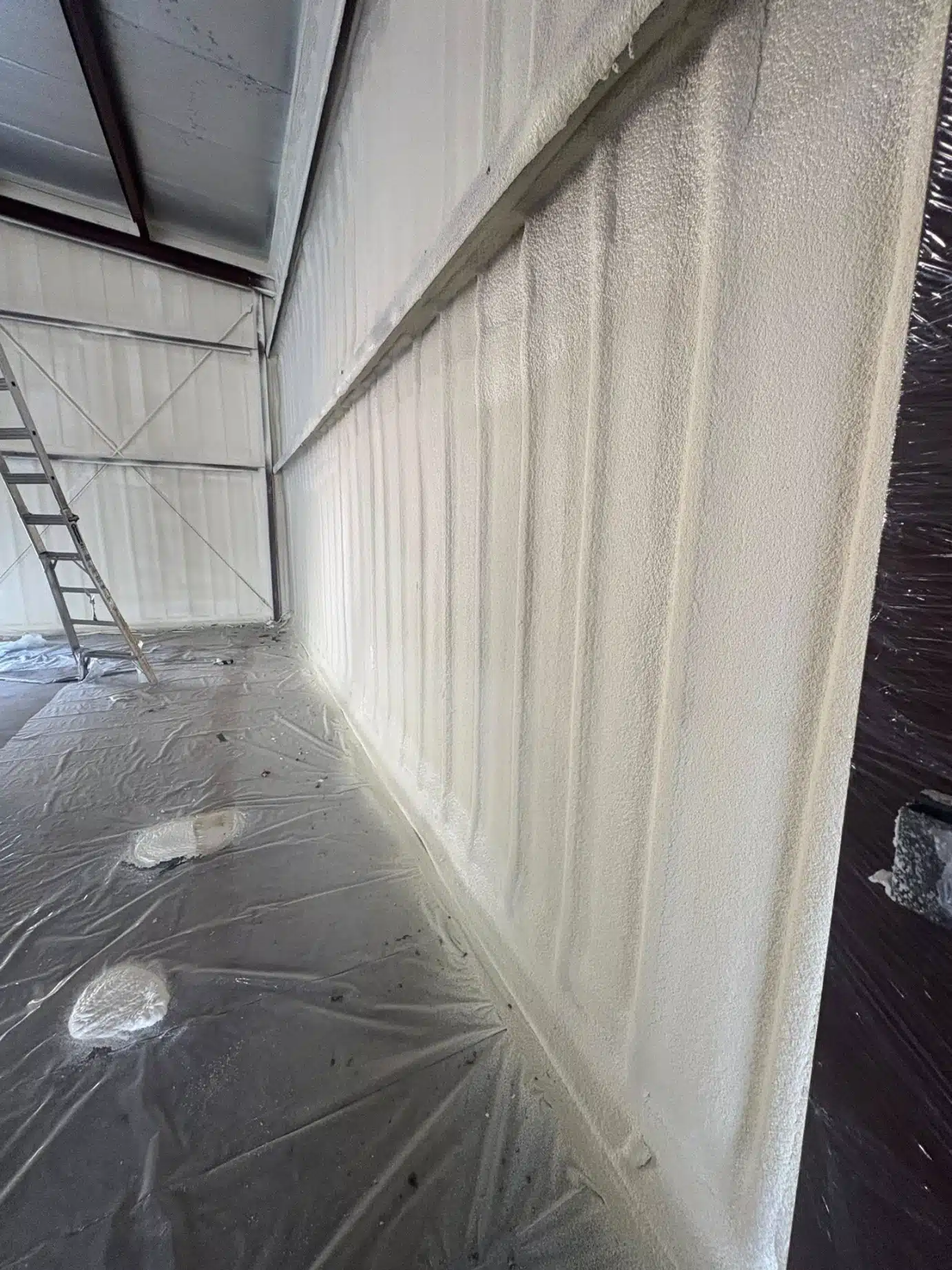
Closed cell spray foam delivers its highest insulation efficiency in areas where both thermal resistance and moisture control matter simultaneously. For homeowners and builders in Wisconsin’s climate zone 6, where heating demands dominate and 52% of household energy consumption goes toward space heating and cooling, choosing the right insulation for the right location makes a measurable difference in comfort and energy costs. Closed cell spray foam reaches its full potential in crawlspaces, basement rim joists, exterior wall cavities, pole barns, and commercial buildings where the combination of a high R-value per inch, air sealing, and vapor retarder properties work together in one application.
According to ENERGY STAR data, properly sealing a home and adding insulation in the right locations can reduce heating and cooling costs by an average of 15%. That figure assumes the correct insulation material is matched to the correct location. Not every insulation type performs well in every part of a building. Fiberglass batts work in open wall cavities but do little for air sealing. Blown-in cellulose fills existing walls but offers limited moisture resistance. Closed cell spray foam stands apart because it insulates, air seals, and acts as a vapor retarder in a single pass.
The challenge is knowing where to deploy it. Closed cell spray foam costs more per square foot than many alternatives, so using it everywhere rarely makes financial sense. The strategy is to focus it where its three core strengths, thermal performance, air barrier creation, and moisture control, all provide direct value.
Crawlspaces are one of the most demanding environments in any building. Ground moisture constantly pushes vapor upward, and outdoor air infiltration through vents or gaps creates a zone where condensation and mold risk run high. Closed cell spray foam applied to crawlspace walls and the floor above seals air leaks, blocks moisture vapor transmission, and insulates in one step. The DOE Building America Program and Building Science Corporation recommend closed crawlspaces with continuous sealed groundcover and insulated walls as a best practice across all climate zones.
The rim joist area where the first-floor framing sits on top of the foundation wall is one of the most leaky zones in any home. Gaps around framing, wiring penetrations, and plumbing openings allow significant air infiltration. Heat loss through uninsulated basement walls can account for up to one-third of total home heat loss. Closed cell spray foam fills irregular voids, seals around penetrations, and provides a continuous insulation layer in a shallow cavity where thicker insulation materials are difficult to fit.
In wall cavities, closed cell spray foam fills gaps around framing members and creates an effective air barrier that stops convective loops within the cavity. For retrofit projects where drywall stays in place, injection foam may be an option, but for new construction where cavities are open, closed cell spray foam provides the highest per-inch performance and adds wall racking strength.
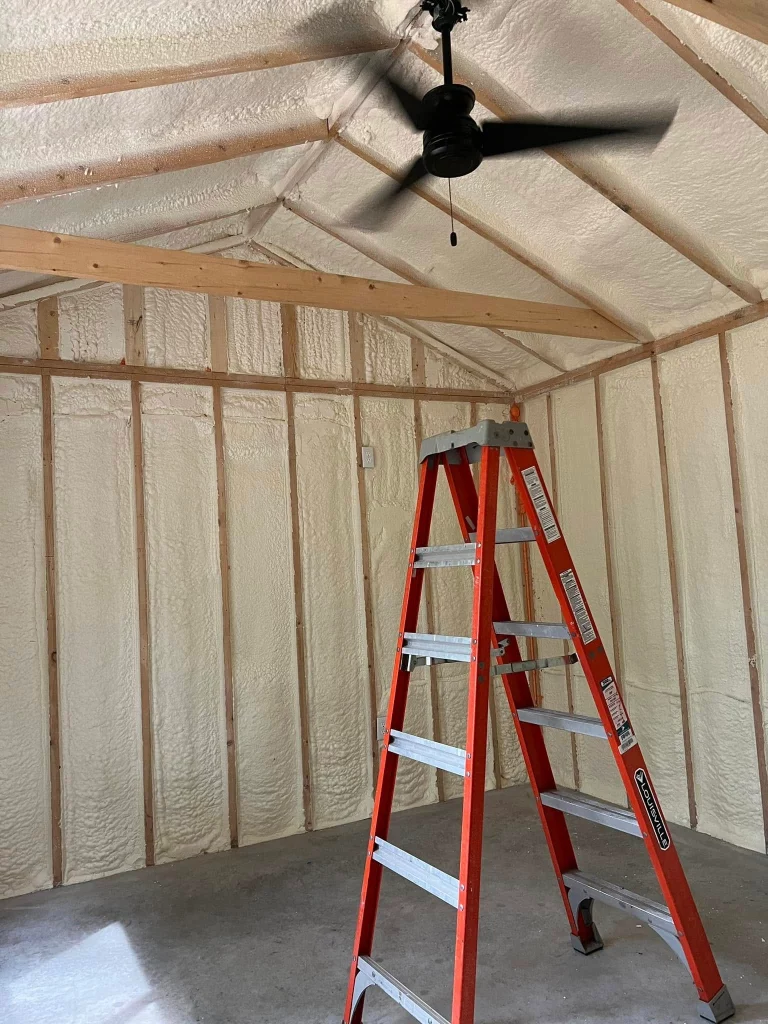
Pole barns and post-frame buildings present a unique insulation challenge. Metal roofing and siding conduct heat rapidly, framing members create thermal bridges, and there are often large air gaps at connection points. Closed cell spray foam adheres directly to metal and wood, seals gaps around fasteners and panels, and conforms to irregular framing geometries that batts and rigid boards cannot address.
Commercial structures often have large exterior wall areas, flat or low-slope roofs, and strict energy code requirements. Closed cell spray foam meets high R-value demands in thin wall assemblies and provides the continuous air barrier that modern building codes require.
| Application Zone | Why Closed Cell Excels | Key Performance Benefit |
|---|---|---|
| Crawlspaces | Moisture + insulation + air seal in one step | Prevents condensation, blocks vapor, eliminates drafts |
| Basement Rim Joists | Fills irregular voids and seals penetrations | Stops major air infiltration pathway |
| Exterior Wall Cavities | Highest R-value per inch, air barrier | Reduces convective losses, adds structural rigidity |
| Pole Barns / Metal Buildings | Adheres to metal, fills panel gaps | Eliminates thermal bridging, seals joints |
| Commercial Buildings | Meets energy code with thin wall assemblies | Continuous air barrier, high thermal resistance |
Understanding when closed cell is the right call, and when another material serves just as well, helps avoid overspending. The table below compares how common insulation types perform across the application zones where closed cell is typically considered.
| Insulation Type | Crawlspaces | Rim Joists | Wall Cavities | Pole Barns |
|---|---|---|---|---|
| Closed Cell Spray Foam | Excellent | Excellent | Excellent | Excellent |
| Open Cell Spray Foam | Good (with vapor barrier) | Moderate | Good | Moderate |
| Rigid Foam Board | Good | Good | Good | Good |
| Fiberglass Batts | Poor (moisture) | Moderate | Good | Poor (gaps) |
| Blown-in Cellulose | Poor (moisture) | Poor (gravity) | Good | Poor (settling) |
In new builds, closed cell spray foam should be concentrated at the rim joist, crawlspace or basement walls, and any areas prone to moisture or air leakage. Open cell or batt insulation can handle large open attic floors and interior wall cavities at a lower cost, reserving closed cell for the critical envelope zones.
For retrofit work, the priority areas are the same: crawlspaces, rim joists, and any accessible attic transition zones. Blown-in cellulose may be more practical for enclosed existing wall cavities, while closed cell spray foam targets the high-impact trouble spots identified during an energy audit.
Pole barns and agricultural buildings benefit from closed cell spray foam across the entire envelope because of the moisture challenges, metal construction, and lack of interior finishing that would otherwise trap loose-fill insulation in place. The material’s adhesive properties keep it in position without mechanical fasteners.
Commercial projects should focus closed cell spray foam on exterior walls where assembly depth is limited, roof transitions, and any areas requiring a continuous air barrier. ENERGY STAR and DOE building science checklists through PNNL’s Building America Solution Center provide detailed guidance on envelope upgrades for commercial and residential buildings alike.
Proseal Spray Foam serves the Waupaca, Wisconsin area with professional closed cell spray foam insulation for homes, pole barns, and commercial buildings. Our team evaluates each building zone individually and recommends the right material for the right location to deliver maximum efficiency without unnecessary spend. Whether you need crawlspace encapsulation, rim joist sealing, or full-building insulation, we bring the experience and equipment to get it done right.
Request a Quote | Schedule an On-Site Assessment
Call us at (715) 227-6295 or email [email protected] to discuss your project. We provide honest recommendations and clear pricing based on a thorough walkthrough of your building, not guesswork.
Is closed cell spray foam better than open cell for crawlspaces?
Yes. Closed cell spray foam provides both insulation and a built-in vapor retarder, which is essential in crawlspaces where ground moisture is a constant concern. Open cell foam absorbs water and does not block vapor transmission on its own.
How thick does closed cell spray foam need to be to meet code?
Required thickness depends on your climate zone and the specific application. In Wisconsin’s climate zone 6, basement walls typically require R-15 to R-19, and at roughly R-7 per inch, that means 2 to 3 inches of closed cell spray foam. A qualified installer can confirm exact requirements for your project.
Can closed cell spray foam be applied over existing insulation?
In most cases, old insulation should be removed before applying spray foam to ensure proper adhesion and to address any hidden moisture damage or mold that may exist beneath the existing material.
Does closed cell spray foam add structural strength to walls?
Yes. Closed cell spray foam adheres to framing and sheathing, which adds racking strength to wall assemblies. This is one of the reasons it performs well in pole barns and commercial buildings where structural reinforcement is an added benefit.
How long does it take to complete a typical residential spray foam project?
Most residential closed cell spray foam projects are completed within one to two days, depending on the scope of work. Crawlspace or rim joist-only projects may take a single day, while full-building insulation in new construction requires more time.