How Much Does Blown-In Cellulose Insulation Cost and What Determines the Price?
Installing blown-in cellulose insulation costs typically start from $1.67 to $2.92 per square foot, though your final price will depend…

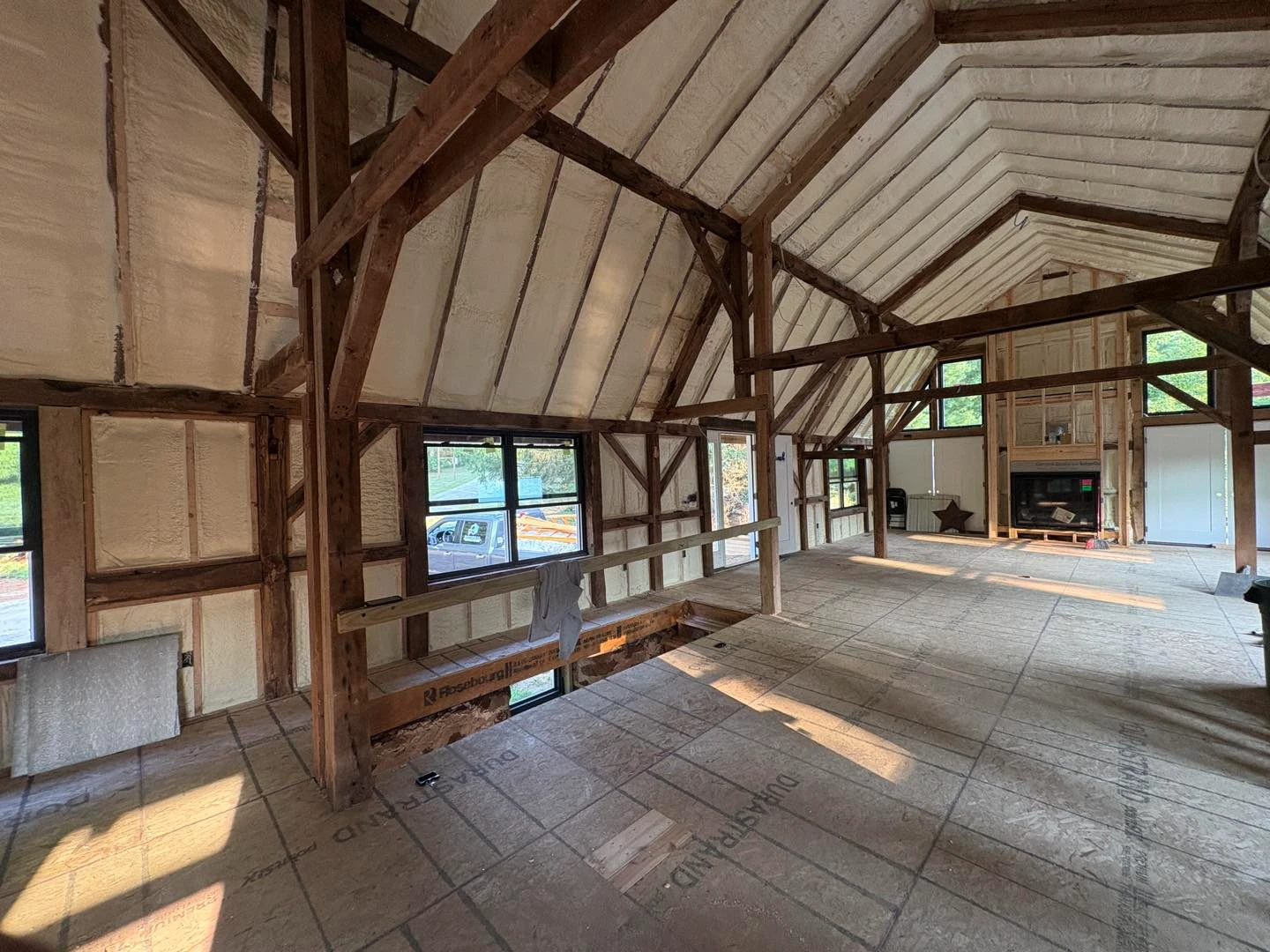
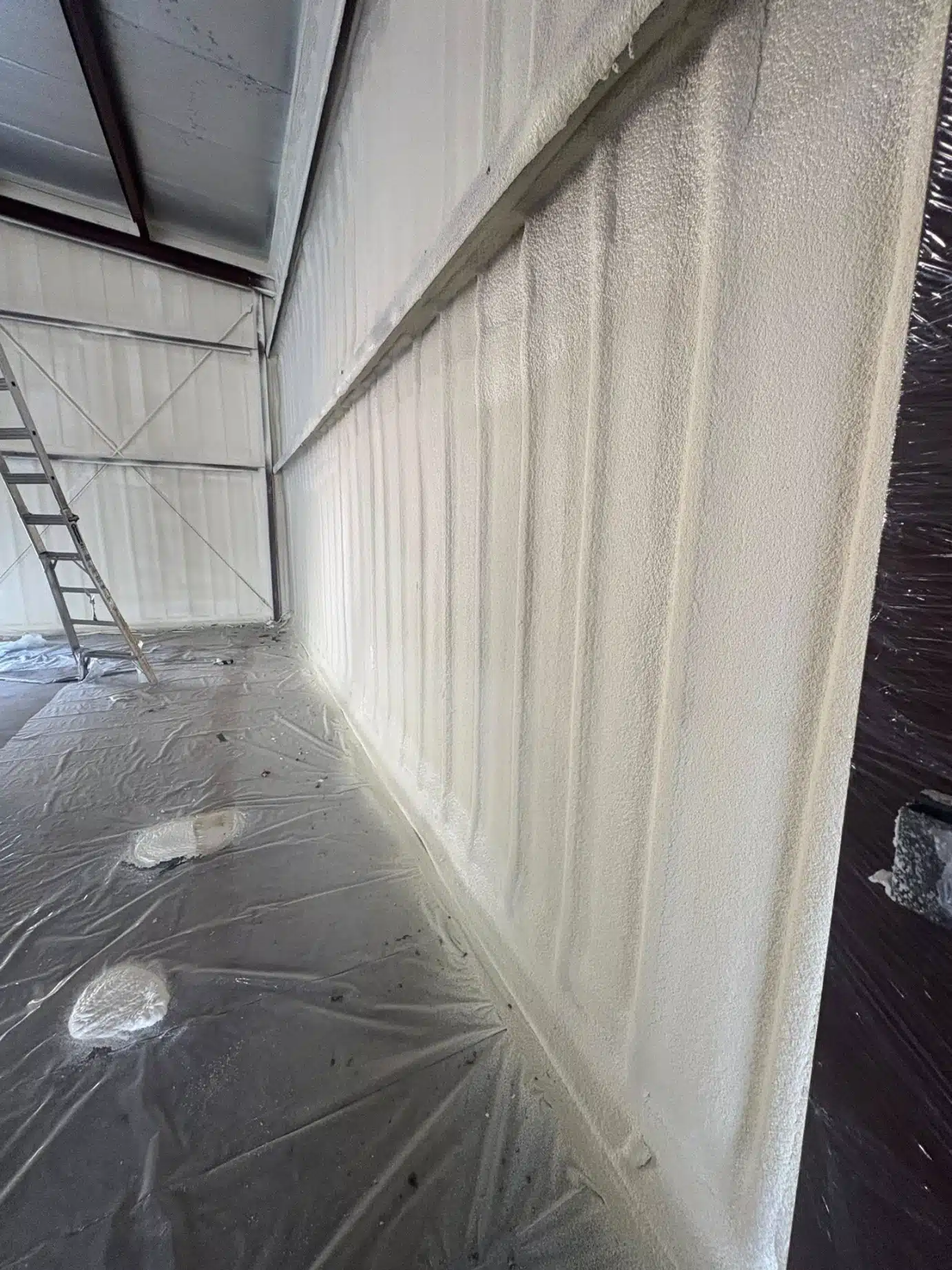
Closed-cell spray foam typically costs between $1.15 and $2.00 per board foot installed, which works out to roughly $1.25 to $4.50 per square foot, depending on thickness. This pricing reflects a material that the U.S. Department of Energy rates at R-6 to R-7 per inch, among the highest thermal resistance available per inch of any common insulation product. For a typical 1,500-square-foot home, a full closed-cell installation usually falls between $4,700 and $11,250. Small, targeted jobs like rim joists start around $1,500, average whole-home projects land near $6,000, and large or full-retrofit jobs can reach $10,000 or more.
Every project varies, but the numbers below reflect real installed pricing and give a realistic starting point before requesting a project-specific estimate.
Thickness drives most of the price swing in any closed-cell project. Since the material is priced per board foot, meaning one square foot at one inch deep, each added inch adds directly to material cost. According to This Old House, one-inch closed-cell foam starts around $1.25 per square foot, while a three-inch application can reach $8.70 per square foot.
| Thickness | R-Value | Cost per Square Foot | Best Application |
| 1 inch | R-6 to R-7 | $1.25 to $2.90 | Rim joists, band joists, thin-wall cavities |
| 2 inches | R-12 to R-14 | $2.50 to $5.80 | Basement walls, crawlspaces |
| 3 inches | R-18 to R-21 | $3.75 to $8.70 | Exterior walls, cathedral ceilings |
| 4+ inches | R-24 to R-28+ | $5.00 to $11.60+ | Attic flat ceilings, combined with other insulation |
For most wall cavities, two to three inches of professionally installed closed-cell foam provides the right balance of performance and budget. In attics, many contractors apply a thinner air-sealing layer of closed-cell foam and top it with blown-in insulation to reach the required R-value more affordably, an approach that keeps closed-cell insulation cost manageable without sacrificing performance.
Where the foam goes matters as much as how thick it is applied. Tight crawlspaces and complicated rooflines take longer to spray, which pushes the bill higher.
| Application Area | Typical Cost Range | Average Cost |
| Rim joists/band joists | $1,000 to $3,300 | $2,150 |
| Basement walls | $1,500 to $5,600 | $3,550 |
| Attic (rafter and floor) | $1,500 to $7,400 | $4,450 |
| Garage walls and ceiling | $2,500 to $6,500 | $4,500 |
| Full home (new construction) | $4,125 to $9,750 | $6,750 |
| Full home (existing retrofit) | $4,725 to $11,250 | $8,100 |
New construction is cheaper to insulate because framing stays exposed and accessible. Retrofitting an existing home can run up to three times more per square foot once drywall or finished surfaces need to come down first.
Comparing the two foam types helps clarify which one fits a given budget and application. Closed-cell foam commands a higher price per board foot, but open-cell needs a thicker application to reach a comparable R-value, which narrows the total cost gap on larger jobs.
| Factor | Closed Cell Spray Foam | Open Cell Spray Foam |
| Cost per board foot | $1.15 to $2.00 | $0.44 to $0.80 |
| R-value per inch | R-6 to R-7 | R-3.5 to R-3.8 |
| Vapor barrier | Yes (Class II) | No |
| Density | High (1.5 to 2.0 lb/ft3) | Low (0.5 lb/ft3) |
| Best for | Basements, crawlspaces, metal buildings, exterior walls | Interior walls, attics, sound dampening |
| Typical total, 1,500 sq ft home | $4,700 to $11,250 | $2,000 to $6,500 |
Closed-cell foam earns its higher price where moisture control, structural rigidity, and a high R-value in a thin profile matter most, largely because it creates an airtight building envelope that open-cell products cannot fully replicate. Open-cell still makes sense for interior applications where sound dampening and a lower upfront cost outweigh the need for moisture resistance.
These figures reflect realistic scenarios across different building types and sizes, aligned with national industry averages.
| Building Type | Location Type | Project Size | Estimated Cost |
| New construction single-family home | Rural/suburban | 2,000 sq ft full envelope | $7,500 to $13,000 |
| Basement rim joist retrofit | Suburban neighborhood | 1,200 sq ft rim joist area | $2,200 to $3,800 |
| Post-frame shop/pole barn | Rural property | 1,800 sq ft walls and ceiling | $5,400 to $9,000 |
| Crawlspace encapsulation | Existing home | 900 sq ft crawlspace | $2,000 to $3,500 |
| Attic rafter insulation | Existing home | 1,400 sq ft attic floor | $3,500 to $6,000 |
Every project is different, and several variables push the final number up or down:
The upfront cost of closed-cell spray foam is higher than most alternatives, but the long-term picture looks different. According to ENERGY STAR, homeowners save an average of 15 percent on heating and cooling costs, or roughly 11 percent on total household energy costs, by properly air sealing and adding insulation. In northern climate zones, those savings can climb to 15 to 16 percent of total energy bills.
For a homeowner spending $3,000 a year on heating and cooling, a 15 percent savings equals $450 annually. On a $7,500 installation, that works out to a payback period of roughly 16 to 17 years from energy savings alone. Factor in moisture control, better indoor air quality, reduced HVAC sizing, and added home value, and most homeowners see the full return within 3 to 7 years, particularly where this material performs best, such as basements, crawlspaces, and exterior wall assemblies.s.
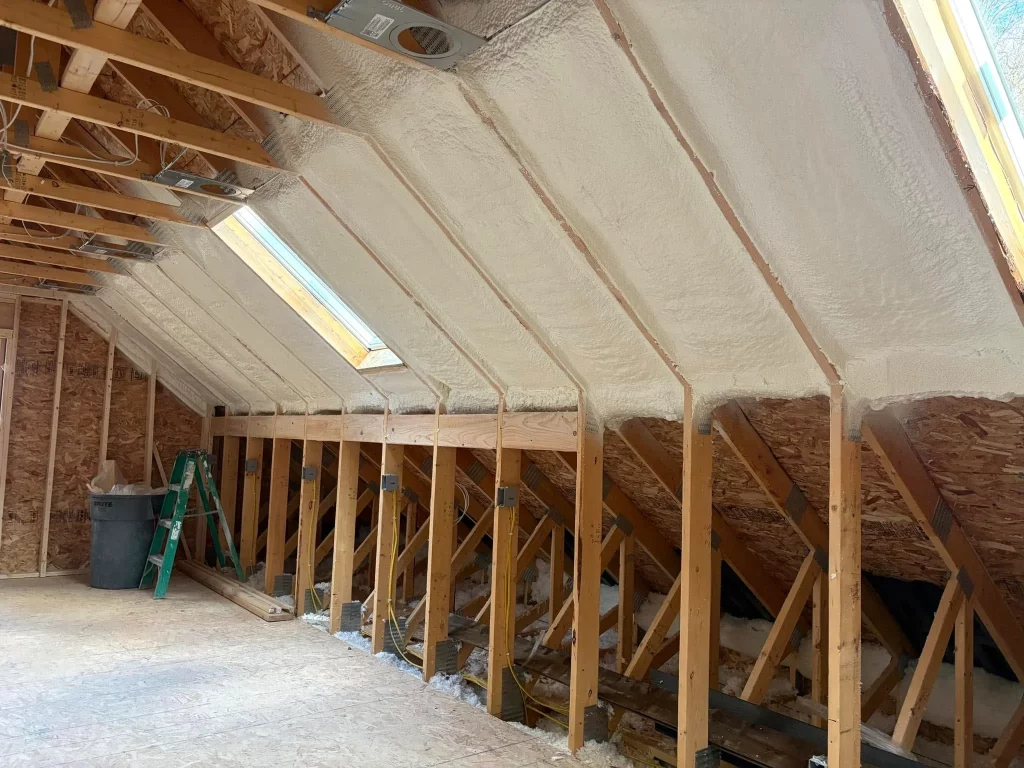
A strong fit for:
May not be the best choice for:
Instead of asking whether the investment is worth it, it helps to consider the cost of skipping it. An under-insulated building bleeds conditioned air through every gap and cavity. That means higher monthly utility bills, an HVAC system working harder and wearing out faster, moisture problems that lead to mold and wood rot, and rooms that never feel comfortable regardless of the thermostat setting. In many cases, the cost of doing nothing exceeds the cost of the insulation project within just a few years of wasted energy and preventable damage.
Understanding closed-cell spray foam cost upfront, and weighing it against thickness, project area, and long-term energy savings, makes it easier to budget accurately and set realistic expectations before any material gets sprayed.
Expect somewhere between $6,300 and $15,000, depending on whether the home is new construction or a retrofit and how much of the building envelope gets insulated. New construction at that size typically runs $5,500 to $13,000, while retrofitting an existing home can reach $15,000 or more.
For most homeowners, yes. Closed-cell foam delivers roughly double the R-value per inch compared to fiberglass, acts as a vapor barrier, and creates an airtight seal that fiberglass cannot match. The higher upfront cost of closed-cell insulation is offset over time by lower energy bills and better moisture protection.
Properly installed closed-cell foam can last the lifetime of the building, often 80 years or more. It does not settle, sag, or degrade the way fiberglass and cellulose can over time.
It is not recommended beyond small gap-sealing jobs. Professional-grade spray foam requires specialized equipment, temperature-controlled chemical storage, and proper safety gear. Small DIY kits exist, but larger installations need trained professionals for consistent, safe results.
It can, depending on the product and installation date. Federal tax credits are available for insulation upgrades that meet or exceed ENERGY STAR requirements. Checking current IRS guidelines is the best way to confirm eligibility for a specific product.