What usually increases pricing of Commercial insulation in Grand Chute, WI?
Dan Passarella
May 21st, 2026
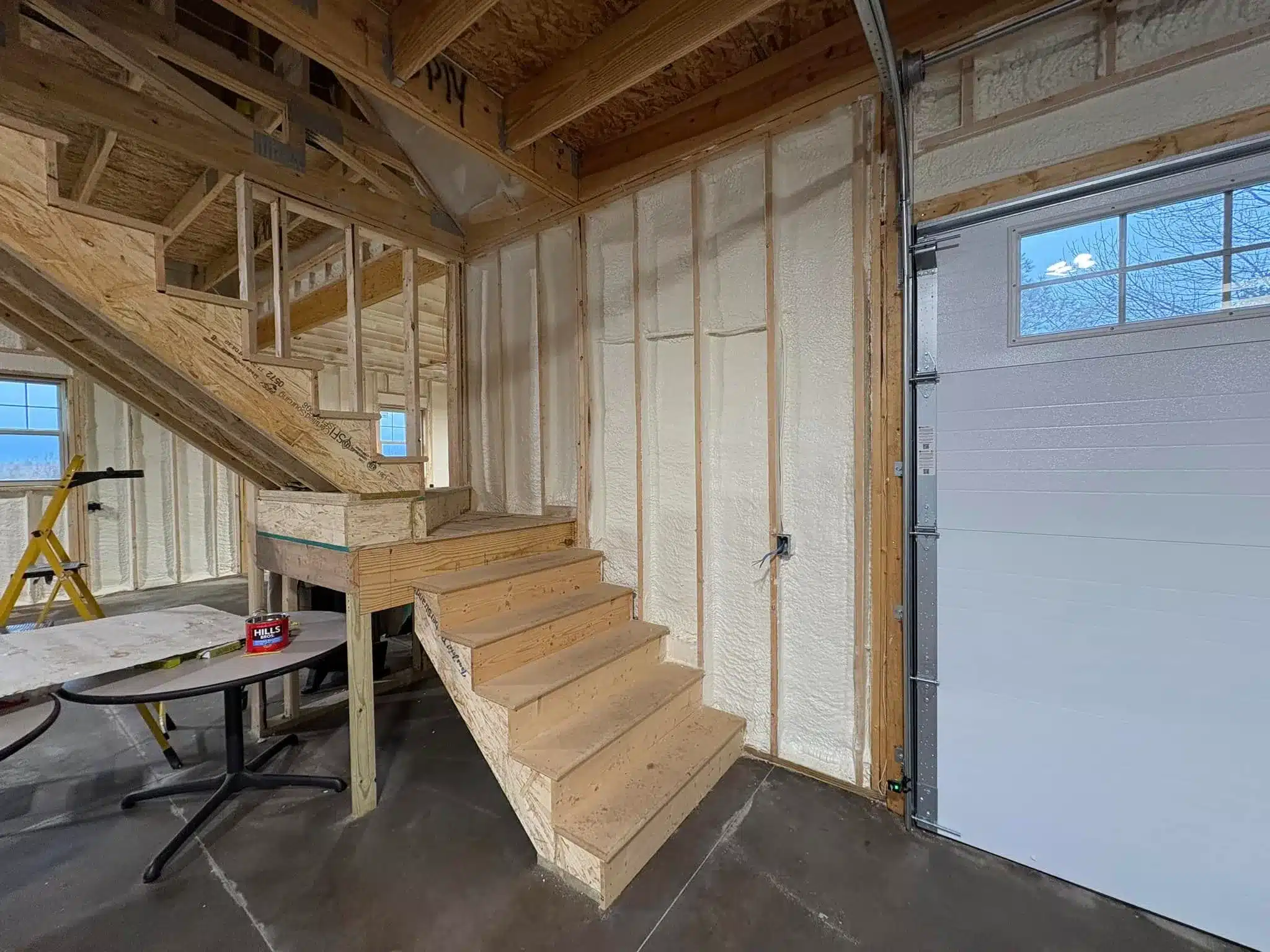
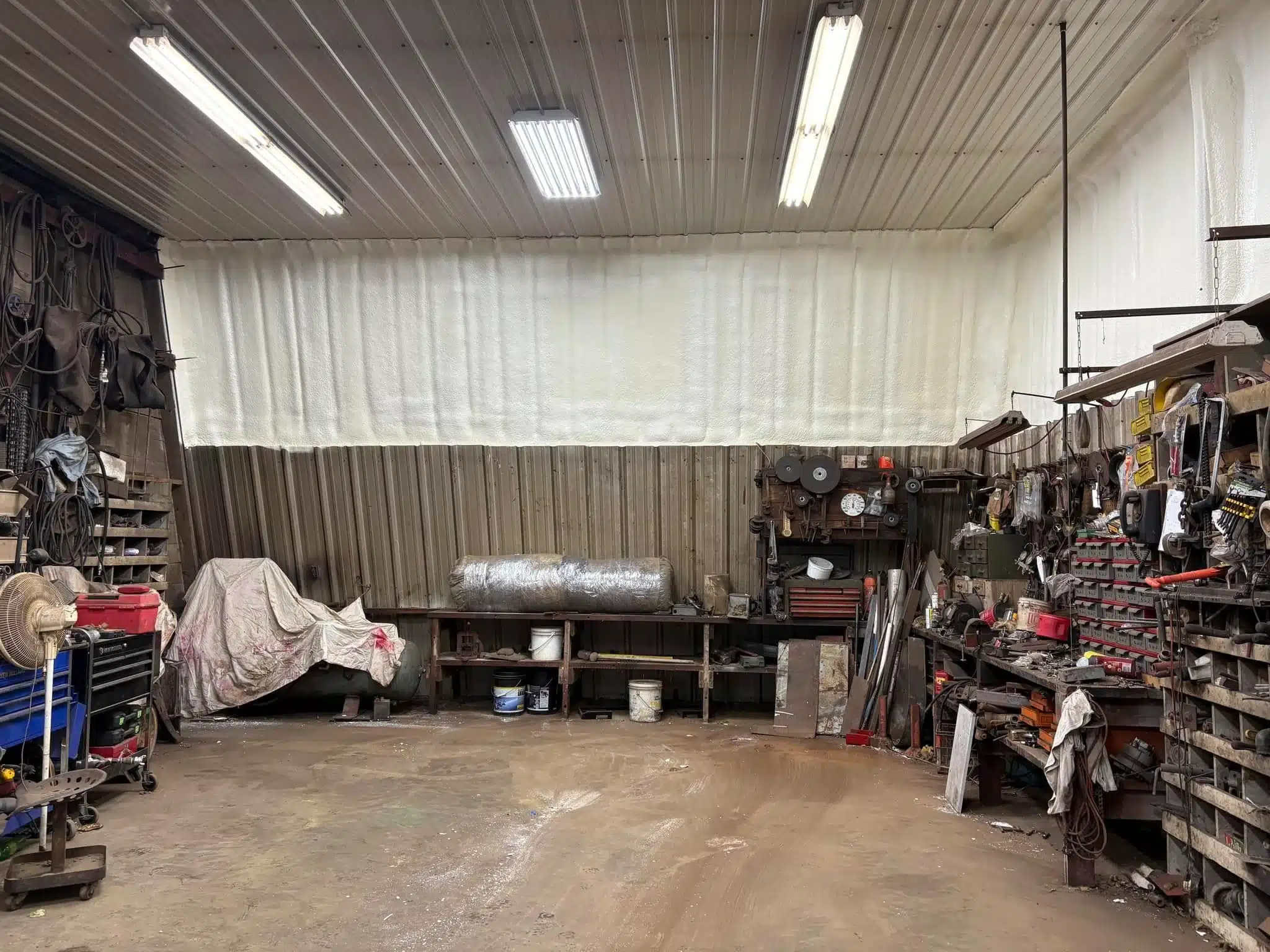
Several factors drive up the cost of commercial insulation in Grand Chute, WI, but the most consistent one is the removal of old insulation. When a commercial building already has degraded, water-damaged, or outdated insulation in place, our crew has to extract and dispose of it before any new material goes in. That adds labor, equipment time, and disposal fees to every square foot. Beyond that, the scope of the project (total square footage and number of building assemblies being insulated), difficult site access, higher R-value requirements driven by Wisconsin’s Climate Zone 6 code, travel distance to the job site, and tight turnaround expectations all push pricing upward. Typical commercial insulation projects range from $20,000 on the low end to $300,000 for large-scale work, with the average project landing around $50,000 according to our project data.
TL;DR
Removal of old insulation is the single biggest cost driver for commercial insulation projects in Grand Chute
Wisconsin’s Climate Zone 6 code requires higher R-values for walls, roofs, and below-grade assemblies than warmer states, increasing material quantities
Project scope, measured in total square footage and number of assemblies, directly determines material and labor investment
Difficult building access (tight crawlspaces, high ceilings, occupied-building constraints) adds labor hours and specialized equipment
Travel distance from our base in Waupaca affects fuel, crew time, and logistics costs
Faster turnaround expectations require additional crew members or overtime scheduling
Higher R-value targets demand more insulation thickness, which means more material per square foot
Retrofit work in occupied commercial buildings introduces scheduling constraints that slow production and raise costs
Why Removal of Old Insulation Drives Cost Up
When we evaluate a commercial insulation project in Grand Chute, the first question we ask is whether there is existing insulation that needs to come out. According to the U.S. Department of Energy, insulation that has been compressed, water-damaged, or improperly installed loses its rated R-value and must be replaced to meet code. The removal process involves:
Labor-intensive extraction: Pulling fiberglass batts, blown-in cellulose, or deteriorated foam from wall cavities, attics, and crawlspaces
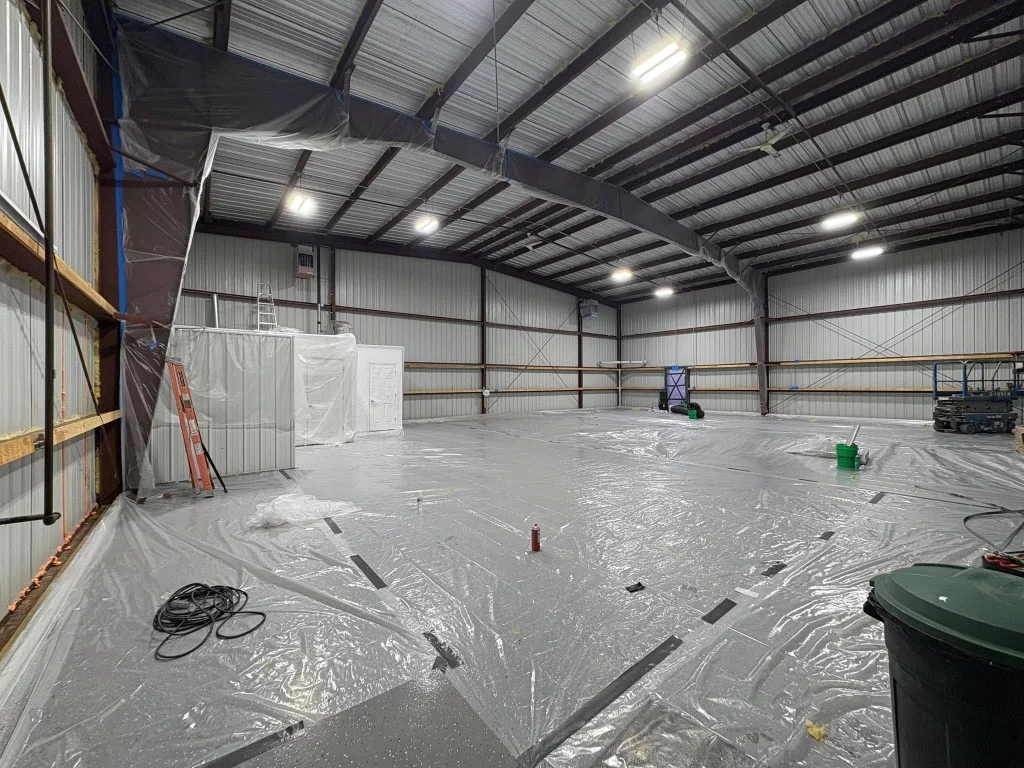
Containment and cleanup: In occupied commercial buildings, dust and debris must be contained to protect inventory, equipment, and indoor air quality
Disposal fees: Old insulation must be hauled to an approved facility, and large commercial volumes add significant hauling costs
Potential asbestos or hazard screening: Older commercial structures may require testing under EPA regulations before removal can proceed
How Climate Zone 6 Requirements Affect Material Quantities
Grand Chute sits in IECC Climate Zone 6A, which is a heating-dominated climate with cold winters. The Wisconsin Commercial Energy Code, based on the 2015 IECC with state amendments, mandates specific minimum R-values for commercial building assemblies:
Building Assembly
Climate Zone 6 Requirement
Wood-framed walls
R-13 + R-7.5ci or R-20 + R-3.8ci
Metal-framed walls
R-13 + R-7.5ci
Attic/roof
R-38
Below-grade walls
R-7.5ci to R-10ci
Floors over unconditioned space
R-30
Slab-on-grade (unheated)
R-15 for 24″ below
These values are noticeably higher than what a project in Climate Zone 3 or 4 would require. More insulation per assembly means more material, more labor hours, and higher equipment costs, which all contribute to the final price tag.
Factors That Influence Commercial Insulation Pricing
Factor
Impact on Price
Why It Matters
Old insulation removal
High
Labor, disposal, and potential hazmat screening
Project scope (sq. footage)
High
More area means more material and crew time
R-value / thickness required
Medium-High
Higher R-values require thicker material layers
Building access difficulty
Medium
Tight spaces, high ceilings, or confined areas slow production
Travel distance
Medium
Fuel costs, crew travel time from Waupaca
Turnaround speed
Medium
Rush timelines require additional crew or overtime
Building type (retrofit vs. new)
Medium
Retrofit work in occupied buildings slows scheduling
Material type selected
Medium
Closed-cell foam costs more than blown-in cellulose per board foot
Real-World Project Scenarios
Building Type
Location
Project Scope
Typical Range
Retail strip mall
Grand Chute, WI
8,000 sq ft walls + ceiling retrofit with old insulation removal
Higher range
Warehouse/distribution
Grand Chute, WI
20,000 sq ft new construction, metal building
Mid-range
Office building renovation
Grand Chute, WI
5,000 sq ft, occupied space, walls + attic
Higher range
Pole barn/agricultural
Outagamie County
4,000 sq ft walls + roof, new construction
Lower range
Medical clinic addition
Grand Chute, WI
3,000 sq ft, code-plus insulation for sound + thermal
Mid-to-higher range
Material Cost Trends in the Current Market
Insulation material costs have been volatile in recent years. According to Gordian’s RSMeans Data analysis, fiberglass insulation costs posted double-digit year-over-year growth for three straight quarters as of early 2026, with prices up roughly 18% since mid-2025. This kind of material price inflation directly impacts commercial project budgets, especially on large-scale jobs where even small per-square-foot increases compound quickly across thousands of square feet.
Who This Is For
Commercial property owners in Grand Chute and Outagamie County planning new construction or major renovations
Building managers dealing with high energy bills and inconsistent indoor temperatures
Business owners expanding or retrofitting commercial spaces who need code-compliant insulation
Who This Is NOT For
Homeowners looking for residential attic or wall insulation (see our residential services)
Projects outside our primary service area (beyond reasonable driving distance from Waupaca, WI)
Building owners unwilling to invest in proper code-compliant insulation
The Real Cost of Underinsulating Your Commercial Building
What happens when commercial insulation is underbudgeted from the start? According to ENERGY STAR, commercial buildings account for half of all energy consumption in the United States, and up to 30% of that energy is wasted through inefficiencies. In Grand Chute’s Climate Zone 6 winters, an underinsulated commercial building bleeds heat through walls, roofs, and foundations every single day. That translates to higher heating bills, uncomfortable occupants, potential code compliance issues during inspection, and a building that costs more to operate every year it remains underinsulated. The cost of doing the job right the first time is almost always lower than the combined cost of higher energy bills, tenant complaints, and eventual rework.
Get a Quote for Your Grand Chute Commercial Insulation Project
If you are planning a commercial insulation project in Grand Chute or anywhere in Outagamie County, our team at Proseal Spray Foam brings the experience, equipment, and material knowledge to get it done right. We understand the local building codes, the Climate Zone 6 requirements, and the specific challenges of commercial retrofit work in this area. Every project starts with a thorough assessment so we can give you an accurate quote based on your actual building conditions, not a guess. Contact us at (715) 227-6295 or email [email protected] to schedule your assessment.
Old insulation must be manually extracted, contained to prevent contamination, hauled away, and disposed of properly. In occupied commercial buildings, this work often needs to happen after hours or in sealed-off sections, which extends labor time and adds cost.
Does Wisconsin code require higher R-values for commercial buildings than residential?
Yes. The Wisconsin commercial energy code follows the 2015 IECC with state-specific amendments, and commercial buildings in Climate Zone 6 must meet prescriptive R-values for each assembly type. These requirements often exceed what a standard residential project would need.
How much does travel distance affect my quote?
Travel from our base in Waupaca to Grand Chute is relatively short, so the impact is minimal for that area. However, projects farther from our service area can see modest increases to cover crew travel time and fuel.
Can I get commercial insulation installed in an occupied building?
Yes, but it requires careful scheduling and often the use of containment barriers to keep dust and debris away from your operations. This adds some planning time and labor cost compared to new construction work.
What is the minimum project size you take on?
Our minimum project size starts at $1,500. For commercial work, most projects far exceed that threshold due to the scale of commercial building assemblies and code requirements.
Sources
U.S. Department of Energy – Insulation – Federal resource explaining how insulation works, R-value ratings, and recommended insulation levels by climate zone.
I’m Dan Passarella, owner of Proseal Spray Foam, serving Wisconsin since July. I provide spray foam solutions for residential, commercial, and industrial properties, focusing on efficiency, comfort, and quality workmanship.
Better insulation supports consistent indoor temperatures in Ashwaubenon, WI by slowing heat transfer through your attic, walls, floors, and crawlspaces…