How Much Does Blown-In Cellulose Insulation Cost and What Determines the Price?
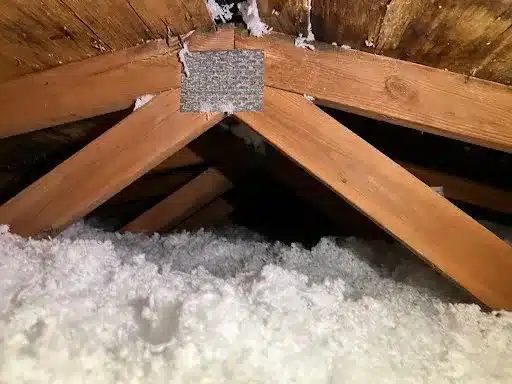
Installing blown-in cellulose insulation costs typically start from $1.67 to $2.92 per square foot, though your final price will depend…

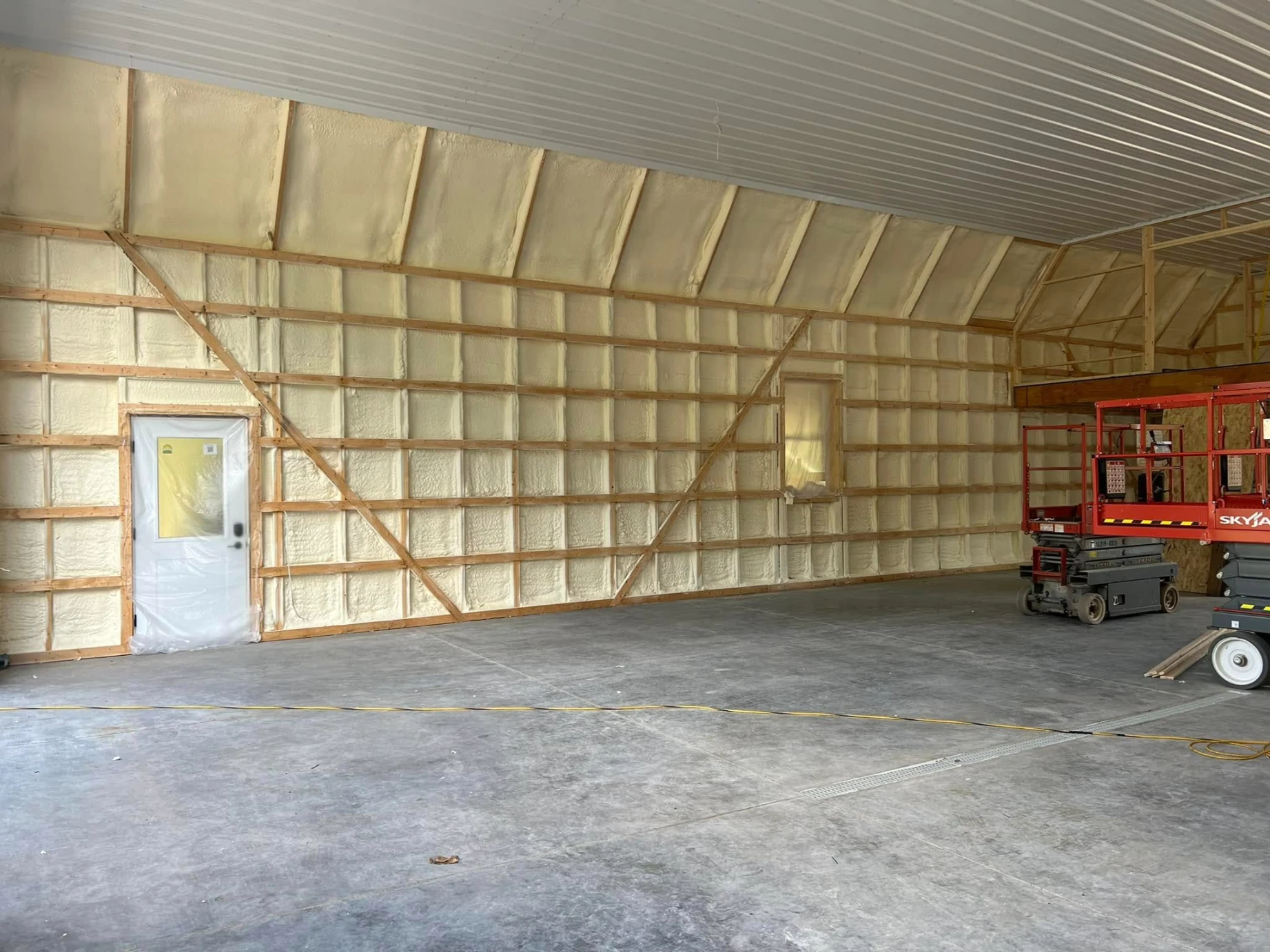
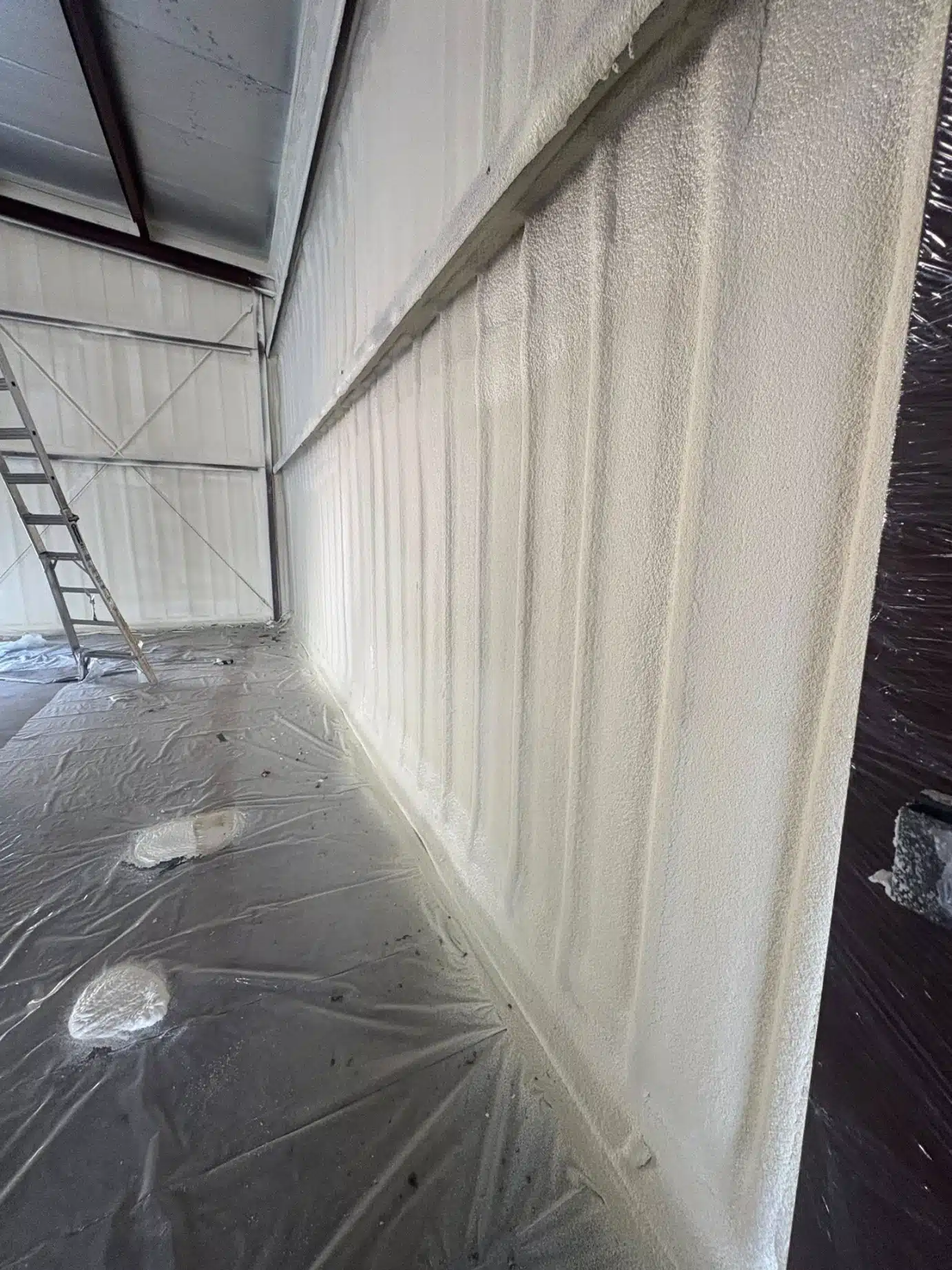
Commercial insulation cost in West Bend, WI typically ranges from $0.50 to $7.50 per square foot installed, depending on the material selected, the building type, and the scope of the project. For a standard 10,000-square-foot commercial facility, the total insulation investment generally ranges from $5,000 to $75,000. That said, most commercial insulation projects in the West Bend area fall in the $20,000 to $300,000 range, with a typical project averaging around $50,000 when accounting for full-envelope upgrades on larger or more complex facilities. West Bend sits in IECC Climate Zone 5A, which means Wisconsin’s adopted 2021 commercial insulation energy code requires specific R-values for walls, roofs, and floors that directly impact material choices and final project costs.
Understanding where your project falls within the pricing spectrum helps set realistic expectations and budget accordingly.
| Project Tier | Typical Cost Range | What This Covers |
|---|---|---|
| Low-End Projects | $20,000 | Targeted insulation upgrades, single-area improvements, smaller buildings, and budget material selections |
| Average Projects | $50,000 | Full wall or roof insulation, moderate-sized commercial facilities, mixed material approaches |
| High-End Projects | $300,000 | Complete building envelope upgrades, multiple material systems, large-scale commercial facilities, and spray foam throughout |
Most commercial property owners in West Bend find their projects landing in the $50,000 range when undertaking meaningful envelope improvements. Projects at the $20,000 level typically involve focused upgrades to specific problem areas, while comprehensive retrofits on larger commercial buildings or facilities requiring extensive prep work can reach $300,000 or more.
The type of insulation you select has the single largest impact on your project budget. Each material comes with distinct advantages, R-values per inch, and installation requirements that affect both upfront cost and long-term performance.
| Insulation Material | Cost Per Sq Ft (Installed) | R-Value Per Inch | Best Application |
|---|---|---|---|
| Fiberglass Batt | $0.50 – $1.50 | 2.9 – 3.8 | Standard walls, metal stud cavities |
| Blown-In Cellulose | $1.00 – $2.00 | 3.1 – 3.8 | Enclosed wall cavities, attic floors |
| Rigid Foam Board | $1.50 – $4.00 | 3.8 – 6.5 | Exterior sheathing, foundation walls |
| Open-Cell Spray Foam | $1.00 – $2.50 | 3.5 – 3.7 | Wall cavities, irregular spaces |
| Closed-Cell Spray Foam | $1.50 – $4.50 | 6.0 – 7.0 | Metal buildings, crawl spaces, and roofs |
| Mineral Wool Batt | $1.50 – $3.50 | 3.3 – 4.2 | Fire-rated walls, sound isolation |
These figures come from national averages reported by HomeAdvisor’s insulation cost guide, which tracks installed pricing across material types and regions. Labor rates in the West Bend area tend to run close to the national median, though specialized materials like closed-cell spray foam may carry a slight premium due to lower contractor availability in smaller markets.
Washington County, where West Bend is located, falls within IECC Climate Zone 5A under the Wisconsin Energy Code 2021. This classification carries specific minimum R-value requirements for commercial building envelopes:
Meeting these requirements in a cold climate zone means that cheaper materials like fiberglass may require thicker applications or additional continuous insulation layers, which narrows the cost gap between budget and premium options. In some cases, a thinner layer of closed-cell spray foam can achieve the same R-value in less space, making it a practical choice for commercial buildings where wall cavity depth is limited.
No two commercial insulation projects price out the same way. Understanding these variables helps you set realistic expectations and compare quotes accurately.
To give you a clearer picture of what commercial insulation costs look like in practice, here are representative project scenarios based on common building types in the West Bend area.
| Building Type | Approx. Square Footage | Insulation Scope | Estimated Total Cost |
|---|---|---|---|
| Small Retail Store | 3,000 sq ft | Walls and ceiling, fiberglass batt | $3,000 – $7,500 |
| Office Renovation | 6,000 sq ft | Walls only, open-cell spray foam | $6,000 – $15,000 |
| Warehouse (New Build) | 15,000 sq ft | Roof and walls, rigid foam + fiberglass | $18,000 – $45,000 |
| Medical Clinic Retrofit | 4,500 sq ft | Full envelope upgrade, closed-cell spray foam | $10,000 – $22,000 |
| Metal Building Workshop | 8,000 sq ft | Roof and walls, a double-layer insulation system | $12,000 – $30,000 |
These estimates reflect installed costs including materials, labor, and standard project overhead. Actual pricing will vary based on site-specific conditions and the contractor you select. When scaling up to larger facilities or projects requiring multiple material systems, costs align more closely with the $50,000 to $300,000 range typical for comprehensive commercial insulation work in the West Bend area.
Insulation is one of the few building upgrades with a measurable, recurring return. According to ENERGY STAR’s methodology for estimated energy savings, air sealing combined with proper insulation delivers 12 to 14 percent savings on total energy bills in Climate Zones 5 and 6, which covers all of Wisconsin. That figure climbs to 16 to 18 percent when measured against heating and cooling costs alone.
The Insulation Institute’s economic evaluation of commercial building insulation measures shows that payback periods vary by building type and fuel source, but most commercial properties see a full return within 3 to 7 years. Buildings heated with natural gas or propane in cold climates like West Bend tend to see the fastest payback because heating demand drives the largest share of energy spending.
For a commercial property spending $15,000 annually on heating and cooling, a well-executed insulation upgrade that delivers 15 percent savings puts roughly $2,250 back in your operating budget every year. Over a 20-year building lifespan, that compounds to $45,000 or more in avoided energy costs, well above the initial insulation investment for most projects.
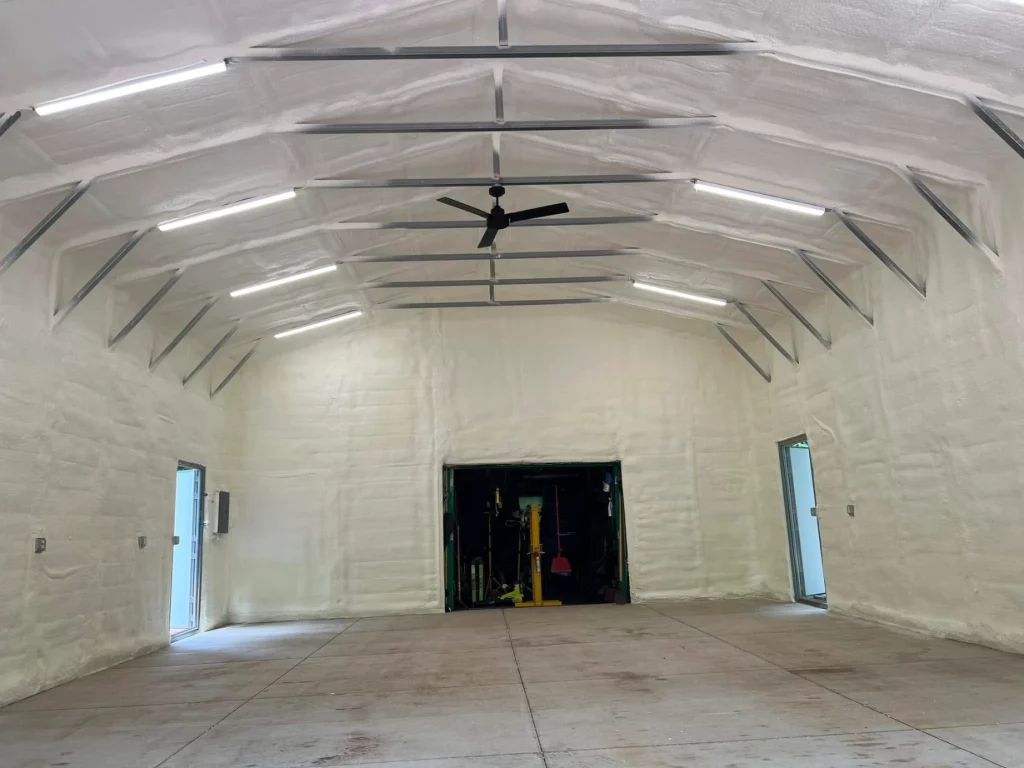
Ideal candidates for a commercial insulation project:
Situations where insulation may not be the right priority:
What happens to your operating budget when commercial insulation is ignored or deferred year after year? Every heating season in West Bend’s Climate Zone 5A, an under-insulated commercial building loses a significant portion of its conditioned air through walls, roofs, and foundations. That loss translates directly to higher utility bills, increased HVAC wear and tear, and uneven comfort that affects employee productivity and customer experience.
Beyond energy waste, poor insulation creates conditions for moisture infiltration, which can lead to condensation damage, mold growth, and premature deterioration of building materials. The cost to remediate these secondary problems far exceeds the investment in proper insulation from the start. The question is not whether you can afford to insulate your commercial property, but whether you can afford the compounding costs of not doing so.
Every commercial building has unique insulation needs based on its construction, age, use, and energy goals. At Proseal Spray Foam, our team evaluates your property’s specific conditions and recommends the right insulation solution and investment level for your situation. Whether your project falls in the $20,000 range for targeted improvements or requires the $300,000 tier for a complete envelope overhaul, we provide detailed assessments and straightforward pricing. We serve commercial property owners throughout West Bend and the surrounding area.
Call us at (715) 227-6295 or email [email protected] to discuss your project. We provide honest recommendations based on your building’s actual requirements, not upselling unnecessary services.
Request a Quote | Schedule an Insulation Assessment
Installed commercial insulation costs between $0.50 and $7.50 per square foot in West Bend, depending on the material. Fiberglass batt runs $0.50 to $1.50 per square foot, while closed-cell spray foam ranges from $1.50 to $4.50 per square foot. For total project costs, most commercial insulation work falls between $20,000 and $300,000, with typical projects around $50,000.
Under Wisconsin’s adopted 2021 IECC code for Climate Zone 5A, commercial buildings require R-20 for above-grade walls and R-30 continuous insulation for low-slope roofs. Requirements vary by assembly type and compliance pathway.
Spray foam provides superior air sealing and a higher R-value per inch compared to fiberglass, which can reduce overall project thickness and improve long-term energy savings. For buildings where air leakage is a major concern, the higher upfront cost is often offset by faster payback.
Most commercial insulation projects in West Bend take between 2 and 10 working days, depending on building size, material type, and site accessibility. Spray foam projects typically install faster than multi-layer systems requiring rigid board and fiberglass.
Many insulation projects can be completed in phases or during off-hours to minimize disruption to your business. Spray foam installation does require temporary ventilation protocols, but our team works with you to schedule around your operational needs.