Does Attic insulation protect your roof deck from wood rot?
Dan Passarella
May 21st, 2026
Yes, attic insulation can protect your roof deck from wood rot, but only when it is part of a complete system that includes proper air sealing, ventilation, and moisture control. Insulation alone is not a silver bullet. In fact, insulation installed incorrectly can make moisture problems worse by trapping humid air against cold roof sheathing. The real protection comes from combining the right type of insulation with airtight construction and adequate ventilation to prevent the condensation that causes wood rot. In climates like Wisconsin, where freeze-thaw cycles are common, getting this combination right matters eaven more.
TL;DR
Attic insulation protects the roof deck by blocking warm, moist indoor air from reaching cold sheathing, where condensation forms
Closed-cell spray foam acts as both an air barrier and a vapor retarder, while open-cell foam requires a separate vapor retarder in cold climates
ENERGY STAR recommends never covering soffit vents with insulation and maintaining a 2-inch clearance for airflow beneath the roof deck
DOE-sponsored research confirms that spray-foam-insulated roofs can dry sufficiently even with minor leaks, provided wood moisture content is below 18% at installation
Attic insulation projects typically range from $3,000 to $30,000, depending on scope, size, and R-value requirements
Wisconsin sits in Climate Zone 6, which requires a Class II vapor retarder when using open-cell spray foam under the roof deck
How Wood Rot Happens on Your Roof Deck
Wood rot on a roof deck is caused by persistent moisture, not a single event. The process starts when warm, humid air from inside your home rises into the attic and contacts the cold underside of the roof sheathing. That air cools below its dew point, and water droplets form on the wood. Over time, repeated condensation cycles raise the moisture content of the sheathing above 20%, creating conditions where decay fungi thrive.
This is a winter problem in cold climates. Snow on the roof keeps the sheathing cold. Meanwhile, air leaks around recessed lights, plumbing penetrations, attic hatches, and wall top plates allow moist indoor air to enter the attic continuously. If ventilation is poor or blocked, that moisture has nowhere to go.
The Building America Solution Center identifies four root causes: cold surfaces below the dew point, pressure differences driving air leakage, high indoor humidity, and lack of ventilation or drying potential. Remove any one of these and you reduce the risk of condensation significantly.
The Role of Attic Insulation in Preventing Wood Rot
Attic insulation helps protect the roof deck in two main ways. First, when installed on the attic floor with proper air sealing, it blocks heat and moisture from the living space from reaching the attic at all. This keeps the attic cold and dry, which is the ideal condition for a vented attic in a cold climate. ENERGY STAR – About Attic Ventilation confirms that proper insulation and air sealing keep attics cold in winter by blocking the entry of heat and moist air from below.
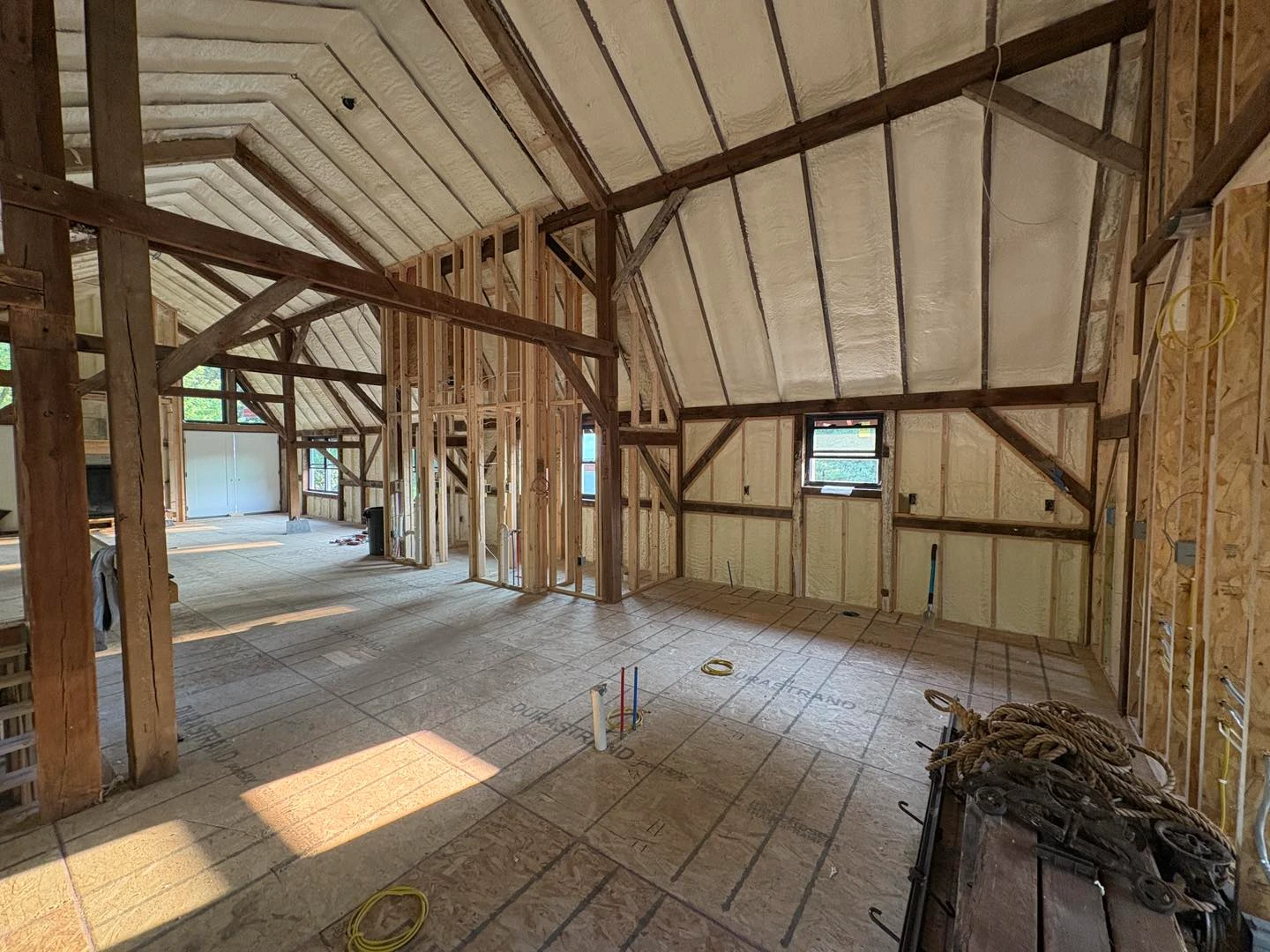
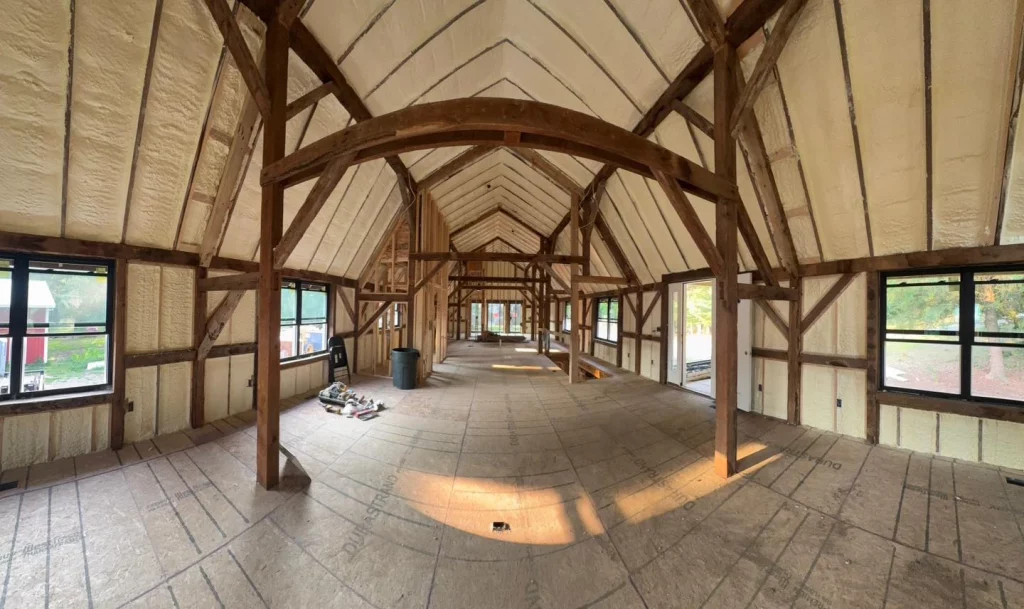
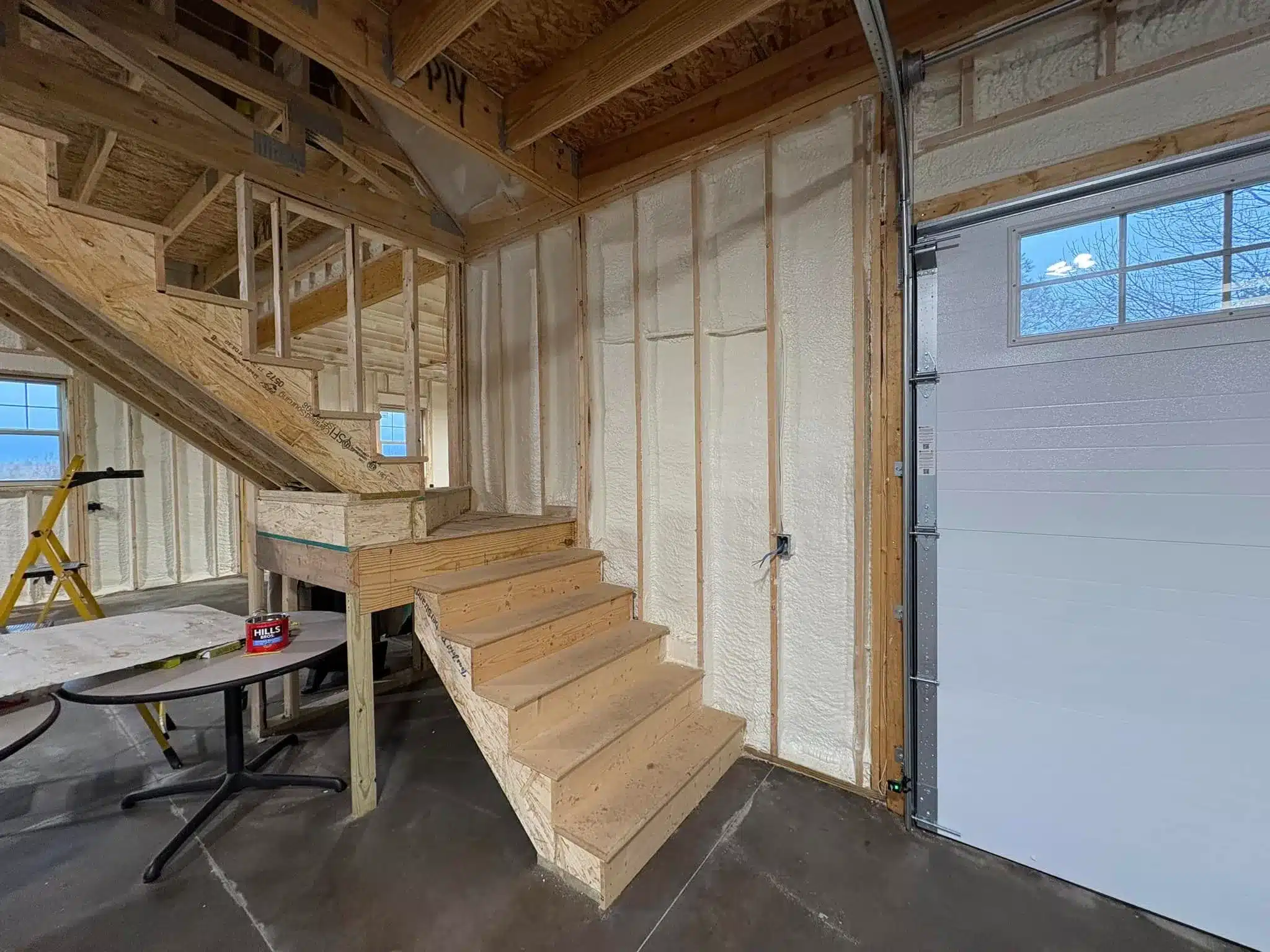
Second, when spray foam insulation is applied directly to the underside of the roof deck, it warms the condensing surface above the dew point. This approach, often called an unvented conditioned attic, eliminates the cold surface where condensation forms. According to Building Science Corporation – RR-0404: Roof Design, the key is keeping the roof deck sufficiently warm throughout the year, which spray foam accomplishes by providing an air barrier and thermal barrier in direct contact with the sheathing.
Vented Attic vs. Unvented Conditioned Attic
Factor
Vented Attic (Floor Insulation)
Unvented Conditioned Attic (Roof Deck Insulation)
Insulation location
Attic floor
Underside of roof deck
Moisture control strategy
Ventilation removes moisture; air sealing blocks it
Spray foam blocks and warms; dehumidification manages residual moisture
Best insulation type
Blown cellulose or fiberglass
Closed-cell or open-cell spray foam
Air barrier location
Ceiling plane
Roof deck (foam itself)
Climate Zone 6 requirements
Air sealing + vapor retarder on ceiling
Class II vapor retarder with open-cell; closed-cell needs none
Drying direction
Dries to vented airspace
Dries to interior
Ideal for
Standard attics with no HVAC equipment
Complex ceilings, HVAC in attic, or cathedral ceilings
Why Air Sealing Matters More Than R-Value
Many homeowners focus on R-value and assume more insulation means better protection. That is a mistake. The primary driver of condensation on roof decks is air leakage, not heat loss. A small gap around a bathroom fan housing or an unsealed electrical penetration can deliver enough moist air to soak the sheathing above it, regardless of how many inches of insulation surround that gap.
The ENERGY STAR – Well-Insulated and Sealed Attic advises that contractors should seal air leaks in the attic floor before adding any insulation. A few inches of closed-cell spray foam applied over the entire ceiling lid creates a continuous air barrier that seals the many holes and penetrations that batt or blown insulation alone cannot address.
Spray Foam Under the Roof Deck: What the Research Shows
DOE-sponsored research conducted by Building Science Corporation modeled the performance of both open-cell and closed-cell spray foam applied under roof sheathing across all US climate zones. The findings, documented in the Building America Solution Center – Unvented Conditioned Attic with Spray Foam Insulation Below Roof Deck, showed that even when roofs were modeled with rainfall leaks of up to 1% through the sheathing, or with initial wood moisture content of up to 18%, the assemblies dried out sufficiently on a seasonal basis.
The critical conditions for success are:
Wood moisture content must be below 19% before spray foam is applied
Open-cell spray foam must have a Class II vapor retarder coating in Climate Zones 5 through 8
The home must have adequate ventilation to keep indoor relative humidity between 30% and 50%
A means of moisture removal from the attic space must be provided in unvented designs
Open-Cell vs. Closed-Cell Spray Foam for Roof Deck Protection
Property
Open-Cell Spray Foam
Closed-Cell Spray Foam
Vapor permeability
Vapor open (~16 perms at 3.5 inches)
Vapor closed (acts as Class II vapor retarder)
Air barrier
Yes, at sufficient thickness
Yes
Moisture passage
Allows vapor to pass through; allows detection of roof leaks
Traps moisture if a leak occurs above
Vapor retarder needed in Zone 6?
Yes, Class II coating required
No, foam itself serves as vapor retarder
R-value per inch
Approximately 3.7
Approximately 6.5 to 7.0
Best use
Warmer climates or where leak detection matters
Cold climates like Wisconsin; superior moisture barrier
Common Mistakes That Lead to Wood Rot
Blocking soffit vents with insulation. This is the single most common error. When insulation covers soffit vents at the eaves, the attic loses its primary source of intake ventilation. Stagnant, moisture-laden air sits against the sheathing with no path to escape.
Skipping air sealing before insulating. Adding thick insulation over an unsealed ceiling plane does not stop air movement. It may even create a path for moist air to travel through gaps in the insulation.
Using the wrong foam type for the climate. Open-cell spray foam under the roof deck in Climate Zone 6 without a vapor retarder coating allows interior moisture to diffuse through the foam and contact cold sheathing. Over time, this causes sheathing moisture content to rise and decay to begin.
Ignoring existing moisture before spraying foam. If the roof deck already has elevated moisture content, spraying foam over it traps that moisture against the wood. Always verify wood moisture is below 19% before application.
No moisture management plan for unvented attics. Unvented conditioned attics need a way to remove moisture. This can be an exhaust fan at the peak, supply air from the HVAC system, a dehumidifier, or balanced ventilation with heat recovery.
Recommendations by Homeowner Situation
Homeowner Situation
Recommended Approach
Key Notes
Standard attic, no HVAC equipment in attic
Vented attic with floor insulation + air sealing
Most cost-effective; use blown cellulose or fiberglass; ensure soffit and ridge vents are clear
HVAC ducts and equipment in attic
Unvented conditioned attic with spray foam on roof deck
Brings ducts inside thermal envelope; reduces energy loss and condensation risk
Cathedral or vaulted ceiling
Spray foam under roof deck or rigid foam above deck
Limited cavity space makes spray foam the practical choice for air sealing and vapor control
Older home with knob-and-tube wiring
Consult licensed electrician before insulating
Knob-and-tube wiring is a fire hazard when covered with insulation
Wisconsin home (Climate Zone 6)
Closed-cell spray foam preferred, or open-cell with vapor retarder paint
Code requires Class II vapor retarder; winter humidity must stay below 35%
Signs Your Attic Insulation Is Protecting Your Roof Deck
You know your attic insulation cost strategy is working when the attic sheathing looks dry and consistent in color with no dark stains, frost, or water marks on the underside of the roof deck. Nail tips penetrating through the sheathing should be dry and free of rust. There should be no musty odor in the attic. Insulation should be evenly distributed with no gaps, voids, or compression, and soffit vents should be clear of any obstruction. If you can see daylight through soffit vents from inside the attic, your ventilation path is intact.
Protect Your Roof Deck with Proseal Spray Foam
Wood rot on your roof deck is preventable when you combine the right insulation with proper air sealing and moisture management. At Proseal Spray Foam, we specialize in attic insulation solutions designed to keep your roof deck dry and your home energy efficient. Whether you need closed-cell spray foam under the roof deck of your Wisconsin home or a comprehensive attic floor insulation package with full air sealing, our team delivers code-compliant results backed by building science. Contact us at (715) 227-6295 or email [email protected] to get started.
Do not wait for wood rot to show up on your roof deck. Preventing condensation is far less expensive than replacing rotted sheathing, and our team is ready to help you get it right the first time.
Frequently Asked Questions
Can insulation alone stop wood rot on a roof deck?
No. Insulation must be paired with air sealing and proper ventilation or moisture management. Insulation without air sealing allows warm, moist air to bypass it and condense on cold sheathing.
Does closed-cell spray foam cause wood rot by trapping moisture?
Closed-cell spray foam applied directly to dry sheathing (below 19% moisture content) does not cause rot. Problems arise when foam is applied over already-wet wood or when a roof leak above the foam goes undetected for extended periods.
How do I know if my roof deck already has moisture damage?
Signs include dark stains or water marks on the underside of the sheathing, rust on nail tips, a musty smell in the attic, and soft or spongy areas in the wood. A professional moisture meter reading above 20% indicates elevated risk.
What is the minimum insulation approach for a vented attic in Wisconsin?
In Climate Zone 6, a vented attic needs floor insulation meeting current energy code R-values, comprehensive air sealing at the ceiling plane, clear soffit and ridge ventilation at a 1:300 ratio, and a Class II or Class III vapor retarder depending on specific conditions.
Should I choose open-cell or closed-cell spray foam for my roof deck in Wisconsin?
Closed-cell spray foam is generally the better choice for Wisconsin’s Climate Zone 6 because it serves as both an air barrier and a vapor retarder without requiring an additional coating. Open-cell foam can work but requires a Class II vapor retarder paint or layer applied over it to meet code.
ENERGY STAR – About Attic Ventilation – EPA guidance on how natural attic ventilation combined with insulation and air sealing keeps attics cold and dry in winter while protecting roof shingles in summer.
ENERGY STAR – Well-Insulated and Sealed Attic – EPA resource on evaluating attic insulation levels, choosing the right insulation type, and hiring qualified contractors for proper installation.
Building Science Corporation – RR-0404: Roof Design – Building Science Corporation research report covering vented and unvented roof design principles, condensing surface temperature control, and climate-specific insulation strategies for all hygrothermal zones.
I’m Dan Passarella, owner of Proseal Spray Foam, serving Wisconsin since July. I provide spray foam solutions for residential, commercial, and industrial properties, focusing on efficiency, comfort, and quality workmanship.
Better insulation supports consistent indoor temperatures in Ashwaubenon, WI by slowing heat transfer through your attic, walls, floors, and crawlspaces…