How Attic Insulation Prevents Moisture from Rotting Your Roof Deck in Marshfield, WI
Dan Passarella
June 8th, 2026
Energy-efficient attic insulation protects your roof deck from moisture damage by blocking warm indoor air from reaching cold surfaces where it condenses, sealing air leaks that carry water vapor upward, and keeping the wood sheathing at temperatures that prevent frost and rot. In Marshfield, cold winters make this a real and recurring threat: long heating seasons, subfreezing outdoor temperatures, and everyday activities like cooking and showering push humid air upward through ceiling penetrations and into the attic. When that warm, moist air meets the cold underside of the roof deck, condensation forms, soaks into the plywood or OSB sheathing, and begins the slow process of wood rot. The right home insulation solution, properly installed, stops this cycle before it starts.
TL;DR
Condensation forms when warm indoor air leaks into the attic and contacts cold roof sheathing, directly leading to wood rot over time
Marshfield sits in Climate Zone 6, where the cold roof deck stays below the dew point for months, making condensation control especially important
Air sealing combined with insulation is the most effective defense, because sealing gaps in the ceiling plane blocks the primary path moisture uses to reach the attic
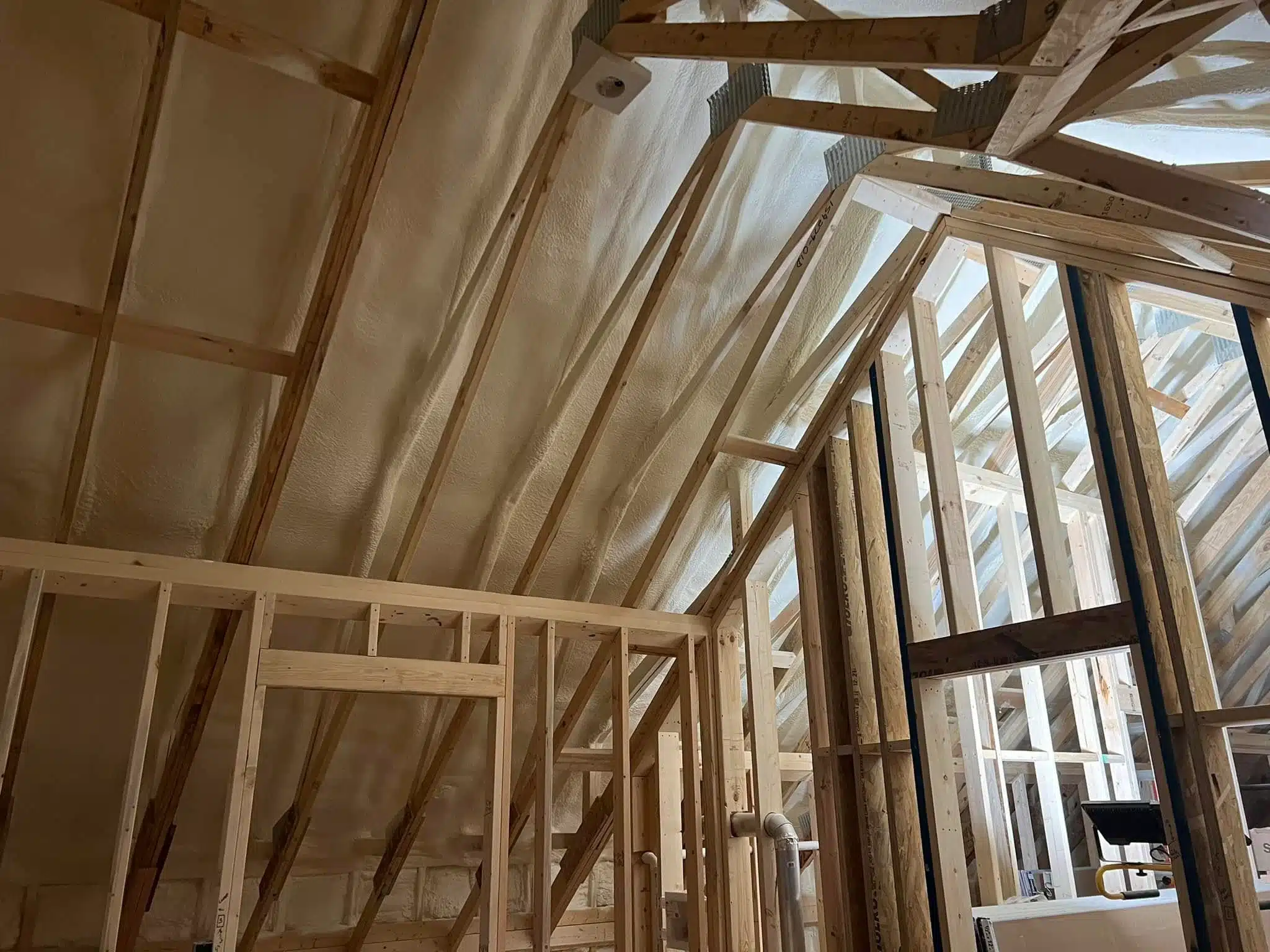
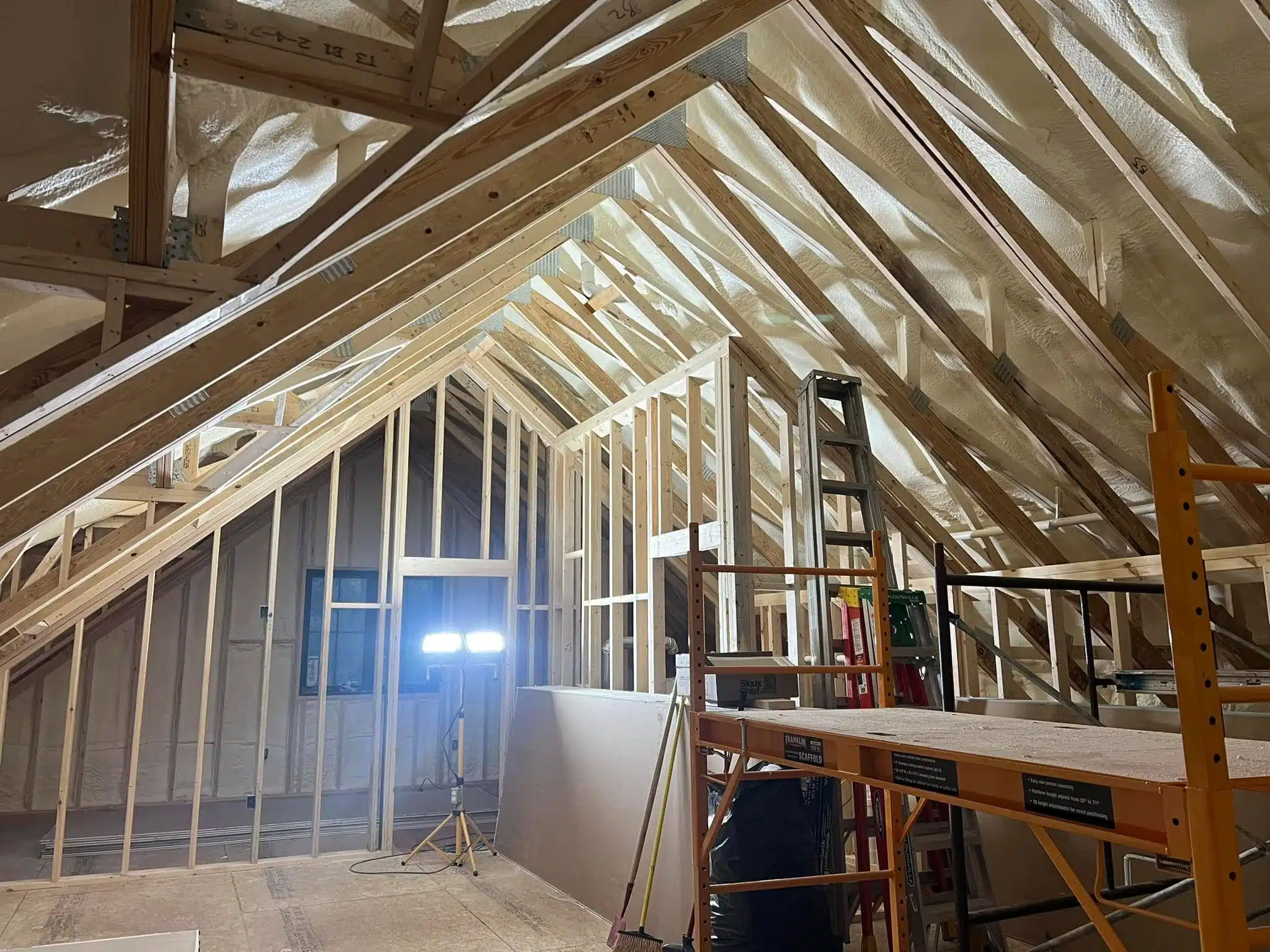
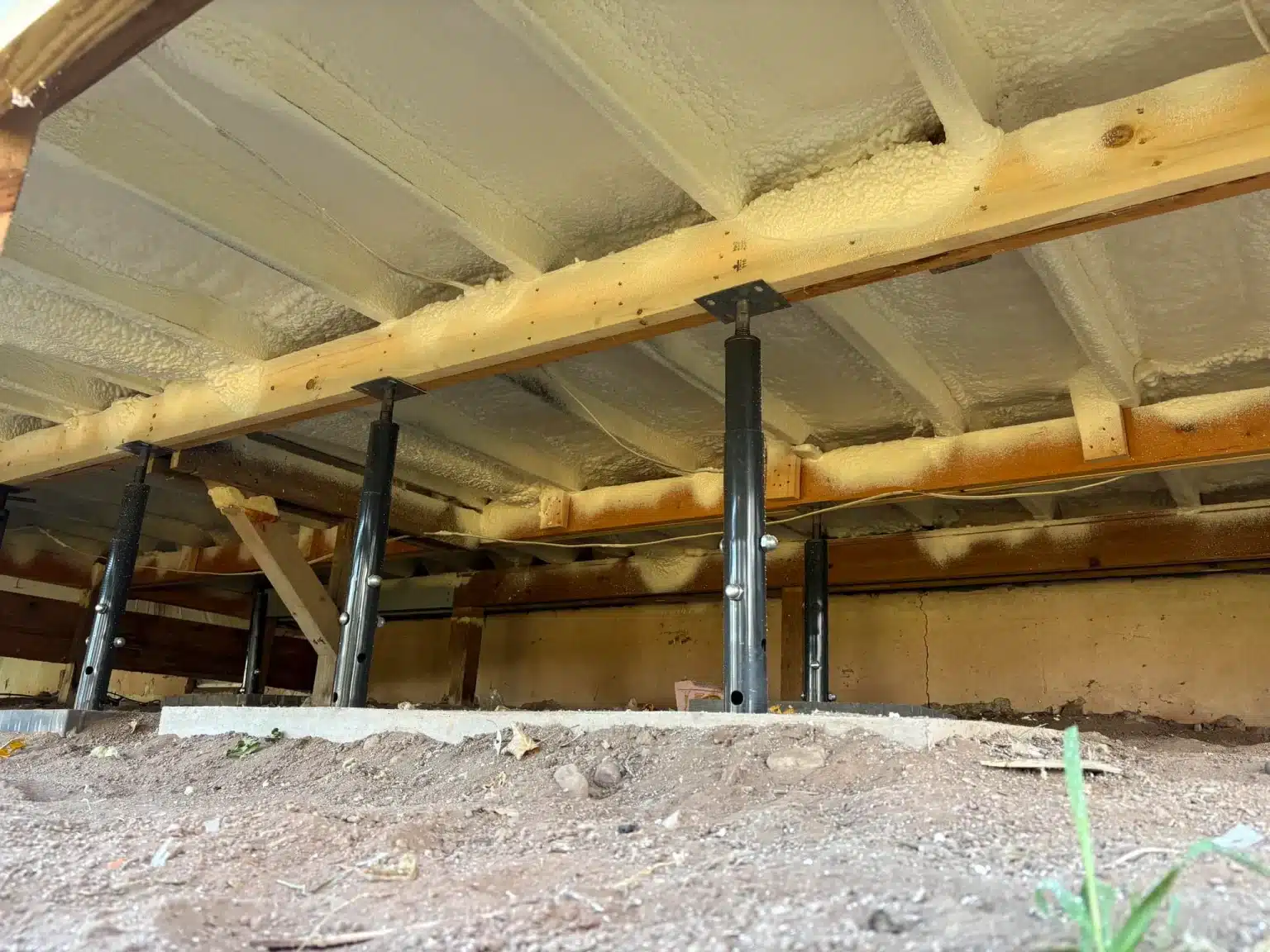
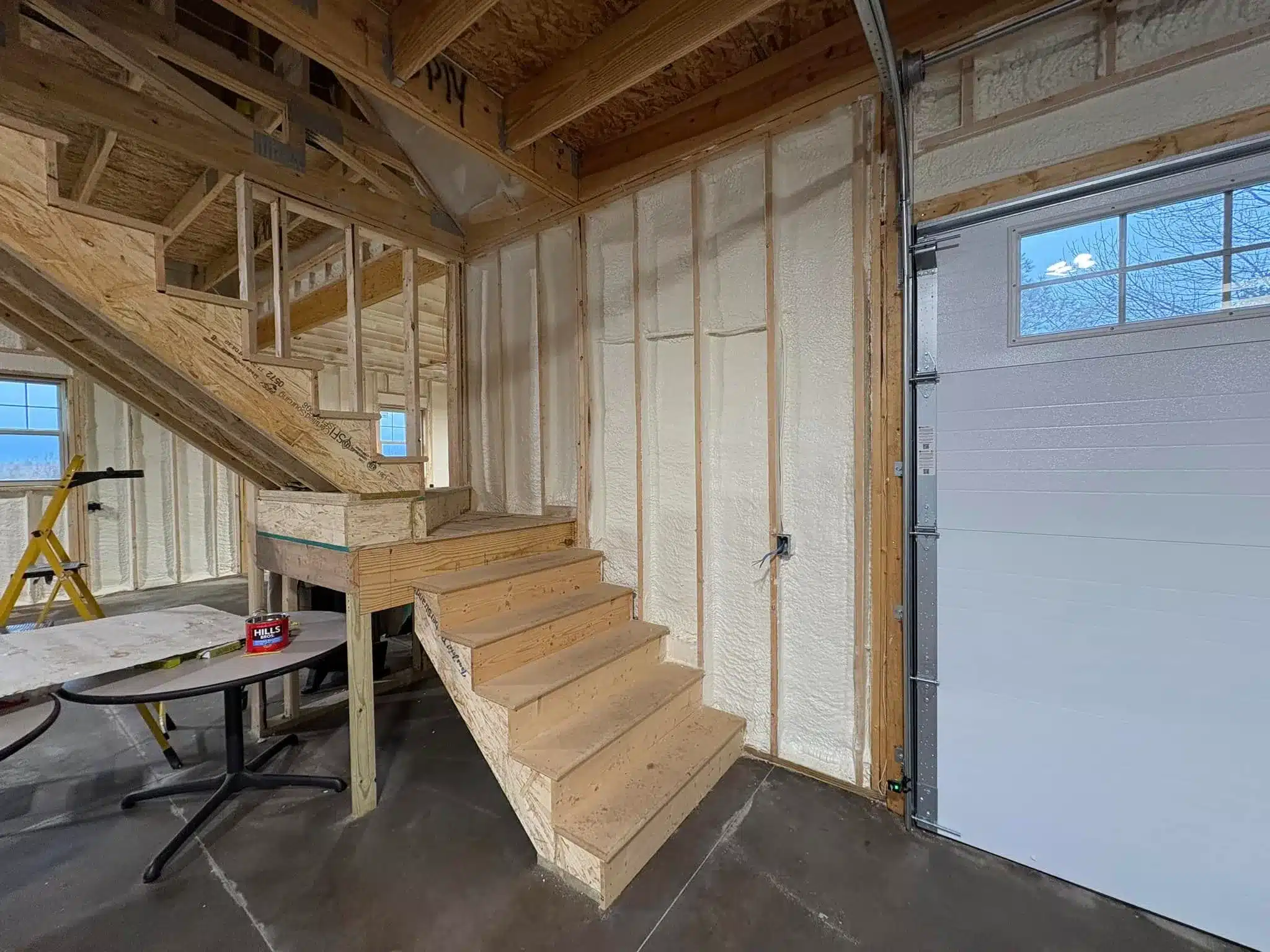
Closed-cell spray foam applied to the roof deck eliminates the air leakage pathway and prevents moisture from reaching the sheathing surface
Unvented conditioned attics with spray foam have been used since the mid-1990s and perform well in all climate zones when installed correctly
Hygrothermal modeling by Building Science Corporation confirms that spray-foam-insulated roofs can dry out sufficiently, even with minor leaks or initial moisture content up to 18%
Indoor relative humidity should be kept between 30% and 50% during the heating season to reduce condensation risk on cold surfaces
The EPA recommends fixing leaks, using exhaust fans vented outside, and raising the temperature of cold surfaces with insulation as primary moisture control strategies
Why Marshfield Homes Face a Moisture Threat
Marshfield experiences long, cold winters with outdoor temperatures regularly dropping well below freezing for months at a time. This places the area squarely in Climate Zone 6 according to the International Energy Conservation Code climate zone maps referenced by the Building America Solution Center. In this climate, the roof deck in a standard vented attic stays cold, often below the dew point of interior air, creating ideal conditions for condensation.
The problem follows a straightforward path. Warm air from your living space, loaded with moisture from daily activities, rises through gaps around recessed lights, plumbing vents, electrical wiring, and attic hatches. When that air reaches the cold roof sheathing, the moisture it carries condenses into liquid water. During the coldest periods, this moisture may first appear as frost on the underside of the deck. When temperatures rise, that frost melts, and the water soaks into the wood.
According to the Asphalt Roofing Manufacturers Association, this excess water causes the deck to swell, warp, and eventually rot, destroying its ability to carry loads and hold roofing nails. Damp insulation also loses effectiveness, and moisture can seep through to the ceiling drywall below, creating staining and potential mold growth.
How Condensation Damages Your Roof Deck
Condensation in attics is driven by four factors, as outlined by the Building America Solution Center: cold surfaces below the dew point, a pressure differential that forces air through holes in the air barrier, high humidity in warm indoor air, and lack of ventilation or drying potential.
The damage progresses in stages:
Frost accumulation: During cold snaps, moisture from indoor air freezes on the underside of the cold roof sheathing
Thaw and soak: When warmer weather arrives, frost melts, and water absorbs into the wood
Wood fiber breakdown: Sustained moisture above roughly 20% encourages fungal growth that breaks down cellulose in the wood
Structural compromise: The deck softens, nails lose their grip, and shingles begin to wave or buckle
The U.S. Department of Energy identifies moisture as the number one enemy facing attics, noting that it can enter from above, below, or from the sides, and can warp and damage the roof while rendering insulation useless.
Insulation Strategies That Stop Moisture at the Source
There are two primary approaches to attic insulation in Marshfield’s climate, each with distinct moisture-control characteristics:
Vented Attic with Ceiling-Plane Insulation
In this traditional approach, insulation sits on the ceiling floor (the attic floor) and the attic space above remains ventilated. The key moisture-control mechanisms are:
Air sealing the ceiling plane: Sealing all penetrations through the ceiling with caulk, foam, or a thin layer of spray foam before adding bulk insulation prevents warm, moist air from reaching the attic
Continuous soffit and ridge ventilation: Balanced intake and exhaust vents allow air to flow along the underside of the roof deck, carrying away any moisture that does accumulate
Insulation baffles: These keep soffit vents clear so insulation does not block airflow at the eaves
The Building America Solution Center notes that in a ventilated attic, the primary mechanisms to control condensation are controlling air leakage from the house into the attic space and providing proper intake and exhaust ventilation, such as continuous ridge and soffit vents with insulation baffles.
Unvented Conditioned Attic with Spray Foam on the Roof Deck
This approach applies spray foam insulation directly to the underside of the roof sheathing, converting the attic into a conditioned space within the thermal envelope. According to Building America Solution Center research on unvented conditioned attics, this method has been used since the mid-1990s and can perform well in all climate zones.
Spray foam has advantages because it effectively air seals complex assemblies in a single step. Closed-cell spray foam also serves as a vapor retarder, which is a specific code requirement for unvented attics in Climate Zones 5 through 8. InterNACHI’s inspection guide confirms that the foam provides adequate airtightness when applied under the roof decking between framing elements, keeping warm indoor air away from the cold sheathing surface.
In this assembly, the attic stays warm enough that the roof deck surface remains above the dew point of the indoor air, eliminating the temperature difference that drives condensation in the first place.
Comparing Insulation Approaches for Moisture Control
Approach
How It Prevents Moisture
Best Suited For
Key Consideration
Blown insulation on the attic floor with air sealing
Blocks air leaks, relies on ventilation to dry any remaining moisture
Standard attics with adequate venting
Soffit and ridge vents must be balanced and unblocked
Closed-cell spray foam on the roof deck
Creates a continuous air and vapor barrier, keeps the sheathing warm
Homes with HVAC equipment in the attic, complex ceiling planes
Wood must be below 18% moisture before application
Open-cell spray foam on the roof deck
Air seals and insulates, allowing some vapor permeability
Budget-conscious unvented attic projects
Requires Class II vapor retarder coating in Zone 6
Hybrid (spray foam air seal + blown insulation)
Seals the ceiling plane at a reasonable cost, then adds R-value above
Retrofit projects where full roof-line spray foam is not practical
The ceiling must be thoroughly sealed before blown insulation is applied
The Role of Indoor Humidity Control
Even the best insulation cannot compensate for excessive indoor humidity. The EPA’s moisture control guidance recommends keeping indoor relative humidity between 30% and 50%, and provides specific maximum humidity levels based on outdoor temperature. For example, when the outdoor temperature drops to 0 degrees F, the recommended maximum indoor relative humidity is 25%.
Practical steps for Marshfield homeowners include running bathroom and kitchen exhaust fans that vent directly outside (not into the attic), using a dehumidifier during shoulder seasons, and avoiding the use of humidifiers that push indoor humidity above recommended levels. Every gallon of moisture you remove from indoor air is a gallon that cannot reach your roof deck.
What to Look For During an Attic Inspection
If your home in Marshfield has not had an insulation upgrade in years, there are warning signs worth checking:
Dark stains on rafters or sheathing: These indicate recurring condensation or water dripping from roof leaks
Frost on nail points during cold weather: A clear signal that warm air is reaching the attic
Musty or damp smell: Suggests ongoing moisture accumulation
Sagging or softened roof deck: Advanced wood rot that may require structural repair
Mold growth on attic surfaces: Indicates sustained moisture above 20% in the wood
The DOE’s Consumer Guide to Durable Attics lists warped or rotting wood in the attic, wet insulation near the eaves, and mold or mildew on attic surfaces as specific signs of water intrusion and moisture problems.
Signs You’ve Found the Right Insulation Contractor
Choosing the right team for a professional attic insulation project matters as much as choosing the right material. Look for installers who measure moisture content in the wood before applying spray foam, who follow IRC requirements for Climate Zone 6, who explain why air sealing matters separate from insulation, and who perform a visual inspection after installation to confirm consistent foam depth with no gaps or voids. The right contractor will also discuss indoor humidity management as part of a complete moisture-control strategy, not just sell insulation as a standalone fix.
Schedule Your Attic Moisture Assessment
Proseal Spray Foam has the experience and building science knowledge to evaluate your attic, identify moisture risks, and recommend the right insulation solution for your Marshfield home. Our team assesses air leakage pathways, measures wood moisture content, and designs an insulation plan that protects your roof deck from condensation and rot for the long term. Call us at (715) 227-6295 or email [email protected] to get started.
Your roof deck works hard every winter. Make sure your insulation is working just as hard to protect it.
Frequently Asked Questions
How do I know if my attic has a condensation problem?
Look for frost on nail tips during cold weather, dark stains on rafters or sheathing, musty smells, and wet or compressed insulation near the eaves.
Can adding more insulation to the attic floor solve the problem without spray foam?
Added insulation helps only if the ceiling plane is first thoroughly air-sealed. Without sealing the gaps that let moist air through, more insulation alone will not stop condensation.
Is closed-cell spray foam safe for existing roof decks?
Yes, as long as the wood moisture content is below 18% at the time of installation and the assembly follows IRC requirements for unvented attics in Climate Zone 6.
What happens if bathroom exhaust fans vent into the attic instead of outside?
Warm, moist air from showers and cooking gets pumped directly into the attic space, dramatically increasing condensation risk. This should be corrected immediately by routing ducts to the exterior.
How does indoor humidity affect my roof deck during winter?
Higher indoor humidity raises the dew point of indoor air, meaning condensation occurs at warmer surface temperatures. Keeping indoor relative humidity between 30% and 50% reduces the amount of moisture that can reach and condense on cold roof sheathing.
I’m Dan Passarella, owner of Proseal Spray Foam, serving Wisconsin since July. I provide spray foam solutions for residential, commercial, and industrial properties, focusing on efficiency, comfort, and quality workmanship.
Better insulation supports consistent indoor temperatures in Ashwaubenon, WI by slowing heat transfer through your attic, walls, floors, and crawlspaces…