How Can Better Insulation Support Consistent Indoor Temperatures in Ashwaubenon, WI?
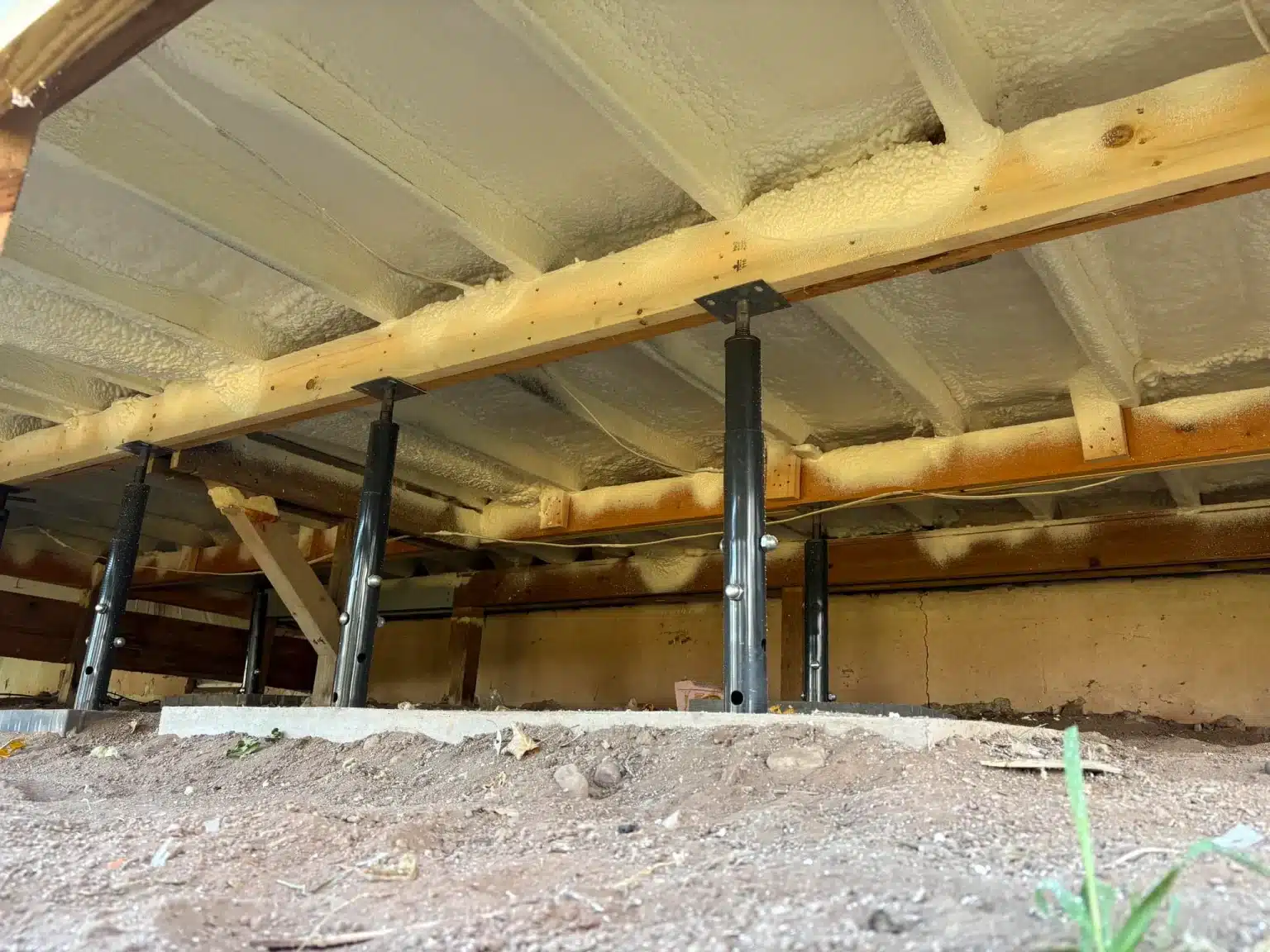
Better insulation supports consistent indoor temperatures in Ashwaubenon, WI by slowing heat transfer through your attic, walls, floors, and crawlspaces…

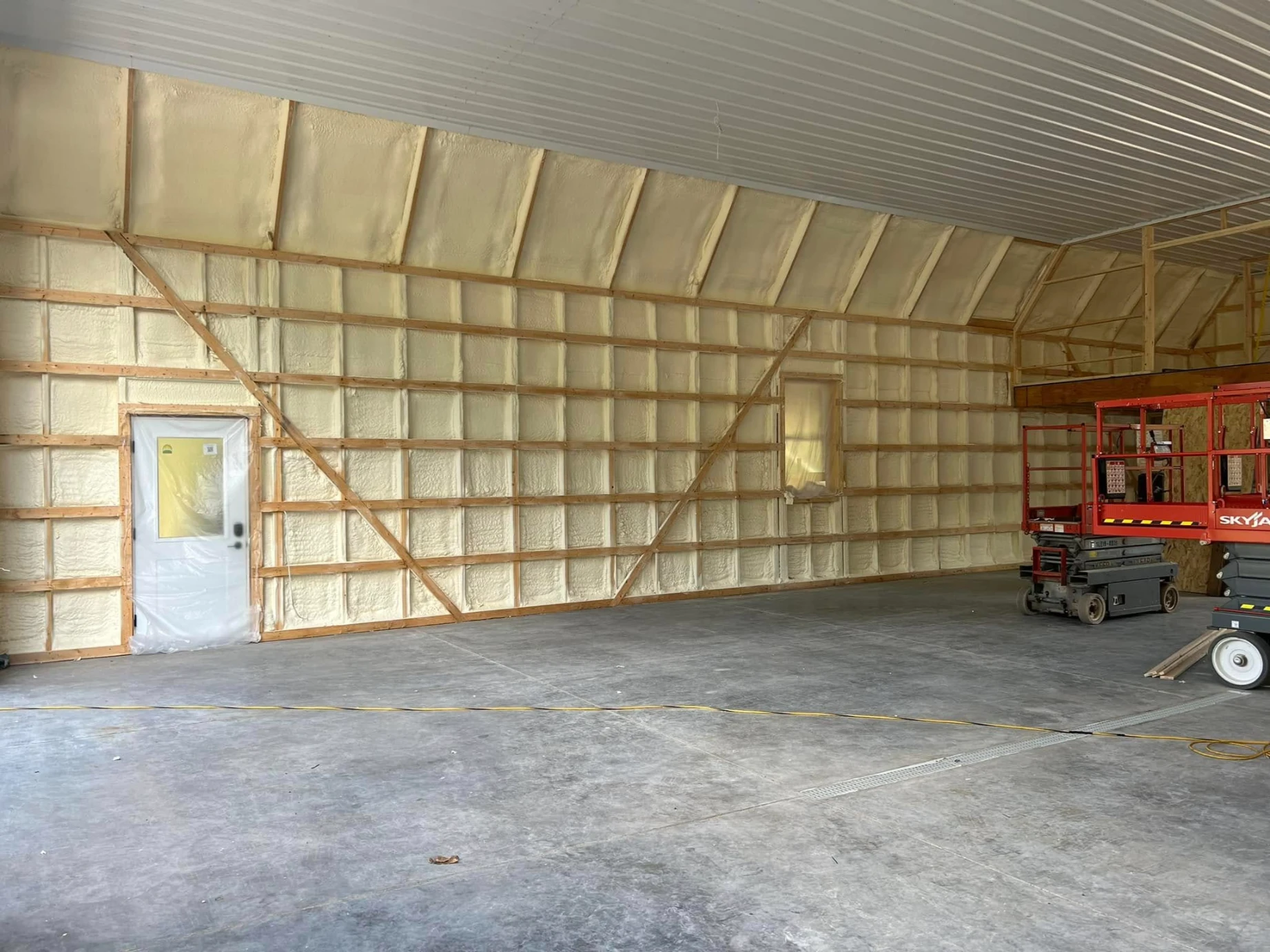
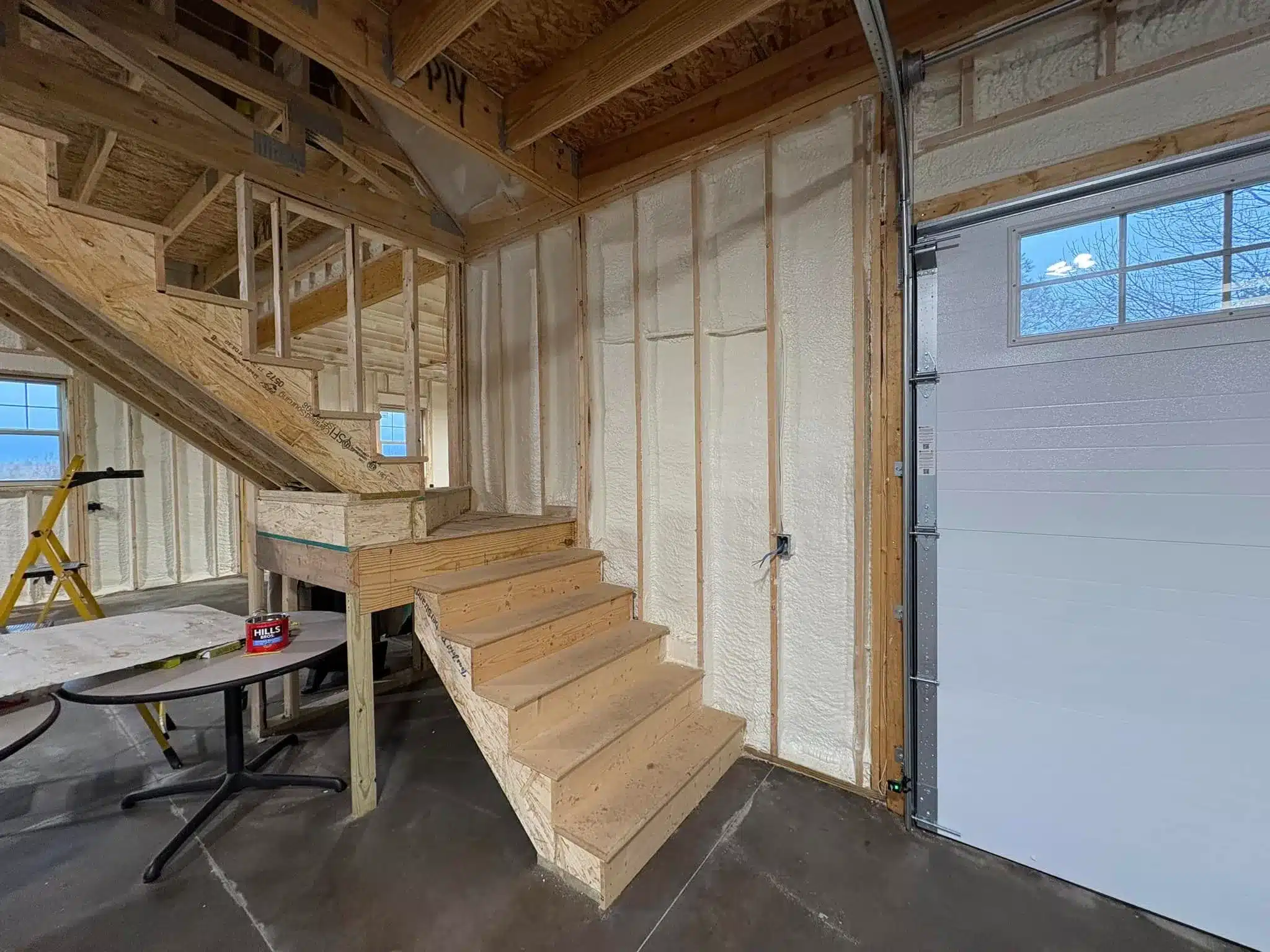
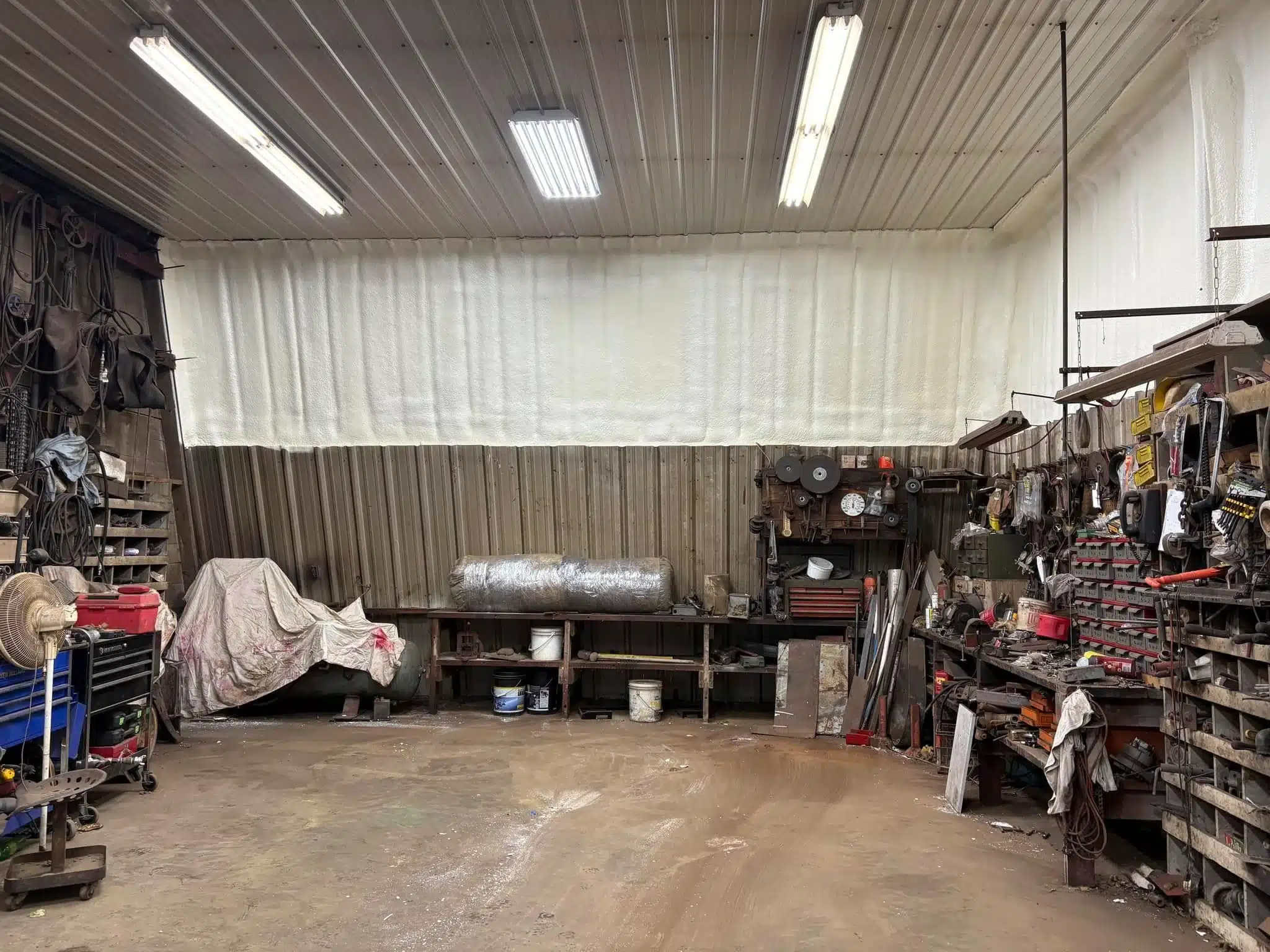
Most homeowners think of insulation as an energy bill fix and nothing more. But structural spray foam does something traditional batts and rolls never could: it physically reinforces the wall it’s installed in. When applied correctly, closed-cell foam bonds framing, sheathing, and drywall into a single rigid unit, resists water intrusion, and helps a wall hold its shape under wind, shear, and settling pressure.
This isn’t a marketing claim. It’s backed by decades of independent racking-load testing, and it’s the reason engineers and builders increasingly treat foam as a performance material, not just a thermal one, whether it’s going into new construction or existing residential and commercial buildings.
Yes, and the mechanism is straightforward. Structural foam spray expands into every gap in a stud cavity, then cures into a solid mass that adheres to the studs, sheathing, and interior drywall at once. That adhesion turns a wall from a collection of loosely connected boards into what engineers call a stressed skin panel, where every component shares the load instead of flexing independently.
Fiberglass and cellulose don’t do this. They fill space, but they don’t bond anything. A wall insulated with loose-fill material still relies entirely on its framing and fasteners to resist racking. A wall insulated with closed-cell foam gets a second layer of structural support built into the cavity itself.
Third-party racking-load testing backs this up. Research summarized by building enclosure specialists at IIBEC documented that NAHB Research Center testing on closed-cell spray polyurethane foam walls showed dramatically higher racking loads compared to untreated assemblies, in some configurations more than doubling the load a wall could withstand before deforming. That’s the kind of margin that matters during a windstorm or a seismic event, not just on a spec sheet.
For a broader look at how foam performs across different applications beyond structural walls, our full breakdown of spray foam insulation types and performance benefits covers open-cell versus closed-cell selection, R-values, and climate-specific recommendations.
Field tip: Adhesion is strongest when foam is applied between 60 and 80°F on clean, dry surfaces. That temperature window is what allows the chemical reaction to fully expand and cure for maximum bonding strength.
Structural damage rarely starts with a cracked stud. It starts with water. Closed-cell foam creates a continuous, impermeable barrier that keeps liquid water and water vapor out of the wall cavity, which is why it’s become one of the most reliable forms of waterproof insulation for walls available to residential and commercial builders.
That matters more than most people realize. According to the Insurance Institute for Business & Home Safety, water-related claims account for nearly a quarter of all homeowners insurance losses, making moisture intrusion one of the single largest threats to a building’s long-term structural condition [ext]. Traditional insulation absorbs and holds moisture instead of blocking it, which accelerates rot, mold growth, and the slow breakdown of wood framing.
Because closed-cell foam seals gaps and cracks in one continuous application, it eliminates the multiple failure points that come with layered moisture-control systems like housewrap, tape, and separate air barriers. Research from Building Science Corporation on wall assembly performance consistently points to continuous air and moisture sealing as one of the most effective ways to prevent hidden structural decay [ext].
Every wall assembly deals with concentrated stress points, particularly around openings, corners, and tall sections. Load-bearing spray foam applications help spread that stress more evenly by transferring force between studs instead of letting it concentrate on one connection point.
The degree of structural contribution depends on the foam type:
| Insulation Type | Compressive Strength (psi) | R-value per inch | Moisture Resistance | Structural Contribution |
| Closed-cell spray foam | 25-40 | 6.5-7.0 | High | Excellent, bonding plus load distribution |
| Open-cell spray foam | 2-5 | 3.5-4.0 | Low | Moderate, bonding only |
| Fiberglass batts | Under 1 | 3.1-3.4 | Poor | None |
| Rigid foam board | 10-25 | 4.0-5.0 | High | Good, some shear strength |
Closed-cell foam’s higher density gives it a meaningful edge for anyone prioritizing spray foam structural strength, while open-cell remains a reasonable choice where sound dampening and budget matter more than reinforcement.
If your walls already show early signs of movement or minor bowing, this is where professional guidance pays off. Our team’s closed-cell foam applications for wall and floor systems are built specifically around cavities that need both insulation and reinforcement in one step.
Field tip: In retrofit projects, foam’s bonding properties can help stabilize framing that has already developed minor structural weakness, though it isn’t a substitute for addressing serious framing damage first.
Beyond bonding and moisture control, foam’s air-sealing performance protects a wall in a way that’s easy to overlook: pressure management. Uncontrolled air movement through a wall cavity creates pressure zones that place ongoing stress on fasteners, joints, and sheathing. Individually, those stresses are small. Over years, they add up to loosened connections and material fatigue.
Air leakage also carries moisture vapor. When that vapor condenses inside a wall cavity, it creates hidden damage long before anyone notices a problem on the surface. By sealing the cavity completely, foam removes both air movement and moisture transport at the same time, which is a major reason engineers increasingly answer “yes” when asked whether structural spray foam counts as part of a building’s actual structural system, not just its thermal envelope.
Wind-driven rain is a related concern in coastal and high-rainfall regions. A properly sealed wall resists the hydrostatic pressure that can otherwise force water through siding, sheathing, and framing during a storm.
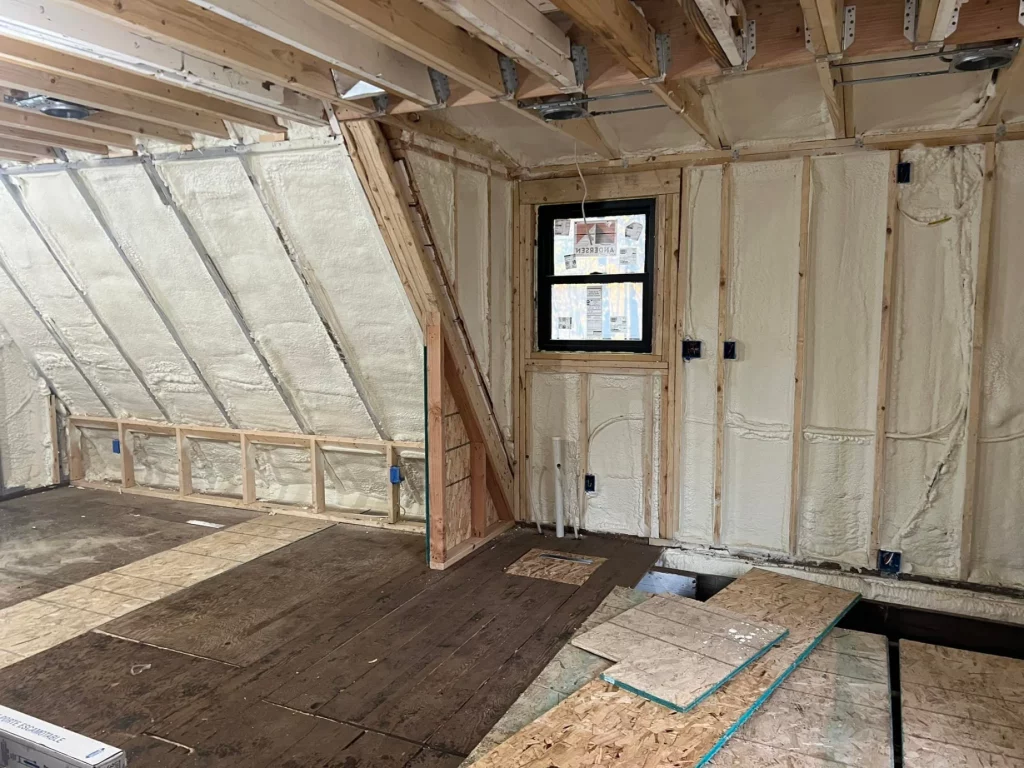
A few factors determine whether foam will deliver its full structural benefit:
Field tip: Pairing foam with sheathing upgrades or additional structural connectors gives the most comprehensive reinforcement for older homes or high-wind regions.
Structural spray foam does more than cut energy bills. Through adhesive bonding, waterproofing, load distribution, and air sealing, it turns a wall into a more unified, resilient system, one that resists racking, sheds moisture, and holds up better against wind and shifting loads over time. For homes in severe weather zones or anyone planning a major renovation, that combination of thermal and structural performance is difficult to match with any other single material.
Have questions about whether structural foam spray applications are right for your project? Call the team at Proseal Spray Foam at (715) 227-6295 or request a free consultation to talk through your specific wall assembly and climate needs.
Spray foam costs more upfront than traditional insulation, but its combined insulation and reinforcement value often justifies the investment, especially in new construction or major renovations where wall performance is a priority.
It works in most wood-framed, steel-framed, and select masonry applications. Historic buildings and unusual wall assemblies may need special consideration.
Structural benefits begin as soon as the cavity is fully filled, with maximum performance typically reached at 2 to 4 inches of closed-cell foam or 3 to 5 inches of open-cell foam, depending on wall depth.
It can, since the rigid bond makes cavities harder to access. Installers typically document wire and pipe runs and leave channels around known utility paths to simplify future work.
Once fully cured, spray foam is inert and stable. Proper ventilation and protective equipment are needed only during the application process itself.