How Much Does Blown-In Cellulose Insulation Cost and What Determines the Price?
Installing blown-in cellulose insulation costs typically start from $1.67 to $2.92 per square foot, though your final price will depend…

Installing blown-in cellulose insulation costs typically start from $1.67 to $2.92 per square foot, though your final price will depend on specific site conditions like attic accessibility and the level of prep work required. While these national averages provide a starting point, they rarely account for the details that actually make an insulation project successful. Understanding what influences these costs helps you distinguish between a quote for a basic fill and a comprehensive energy-efficiency upgrade.
Most homeowners can expect to pay between $2,000 and $10,000 for a professional blown-in cellulose project, depending on the size of the attic and the thickness of the insulation added. According to cost data from Homewyse, these figures reflect the total project expense, including professional labor and materials.
When you look at quotes, remember that a “per-square-foot” price is often a baseline. If your attic already has some insulation, you might only need a “top-up” to reach modern R-value standards, which is generally less expensive than filling a space from scratch. Because every attic has a different square footage and existing depth, professional contractors usually calculate costs based on the total volume of material required to hit your target thermal performance.
The price on your quote often reflects more than just the bags of cellulose material. Professional insulation is a system-based project, and several variables will determine the final invoice.
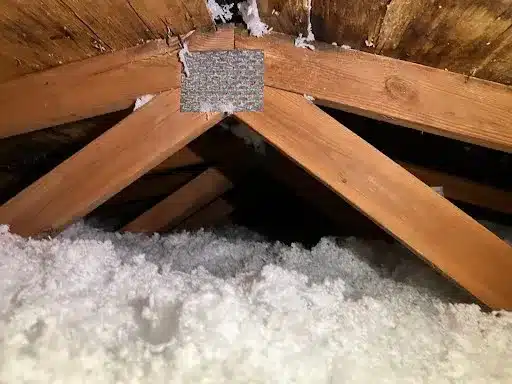
Attic Accessibility: Installers must physically move through the attic to ensure even coverage. If your attic has low clearance, narrow entry points, or obstructions like HVAC ductwork that must be navigated, the labor time increases.
Air-Sealing Preparation: This is often the most important part of the job. Insulation installation slows heat transfer, but it does not stop air leaks. If a contractor includes air sealing using foam or caulk to close gaps around electrical wires, plumbing stacks, and light fixtures, the upfront cost will be higher. However, this step is vital because it prevents conditioned air from escaping your home and ensures your new insulation performs as intended.
Desired R-Value Code requirements for R-value (a measure of thermal resistance) vary by climate. Higher R-values require a thicker layer of cellulose, which increases the total amount of material used. If your home is in a colder climate, you will likely need more material than a home in a milder region to meet efficiency standards.
Existing Insulation Removal: If your current insulation is wet, moldy, or contaminated by pests, it must be removed before new material is installed. This adds significant labor time and disposal fees to the total cost.
Cellulose is a popular choice because it offers high thermal performance while being made primarily from recycled paper products. Unlike some other materials, cellulose is dense, which helps it resist airflow and reduce sound transmission between floors.
The primary return on investment comes from improved energy efficiency. By creating a thermal barrier, cellulose can lower the workload on your heating and cooling systems throughout the year. Data from Angi indicates that professional insulation can lead to noticeable reductions in utility bills, especially in older homes that were previously under-insulated. Beyond the energy savings, many homeowners report a more consistent indoor temperature and fewer drafts after a professional installation.
You can find rental machines for blowing in cellulose at many local hardware stores, but professional installation offers advantages that DIY methods often miss.
Proper density is the main concern. If the material is blown in too loosely, it can settle over time, creating gaps that allow heat to escape. Professional installers use equipment designed to achieve the correct density and coverage, ensuring the insulation stays effective for years.
Furthermore, professionals are trained to identify and navigate safety hazards. They know how to handle fire-blocking around recessed light fixtures and how to install baffles correctly to keep the attic vented. Without these precautions, even the best insulation can lead to moisture issues or fire hazards.
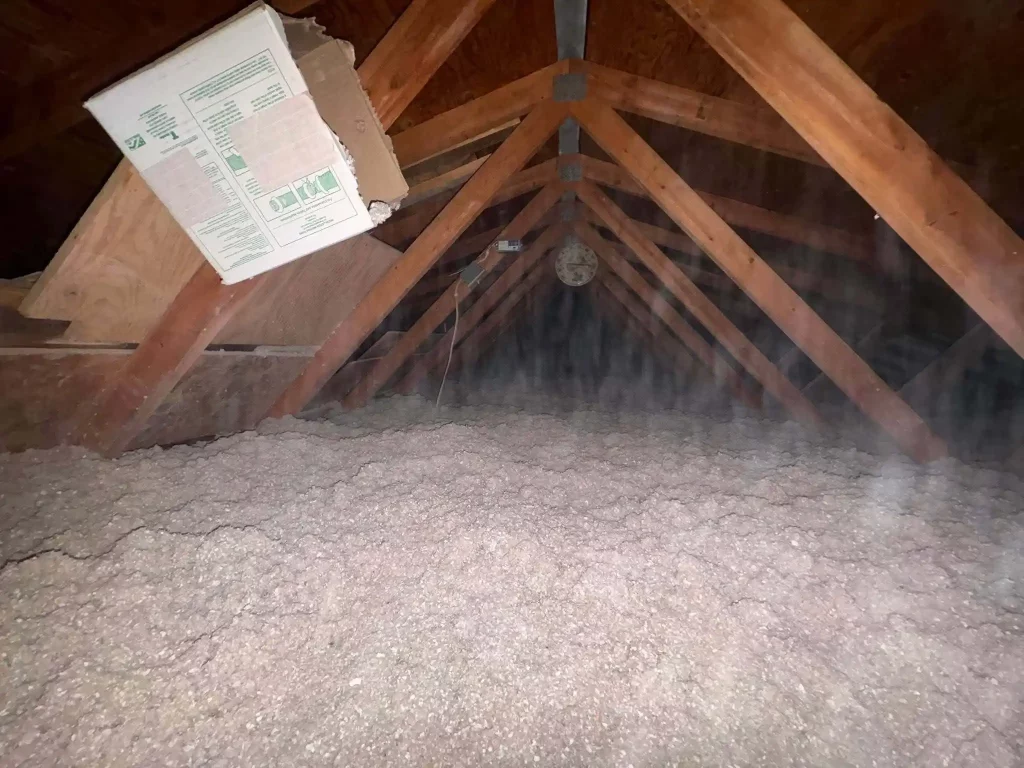
When you compare quotes, don’t just look at the bottom line. Use these questions to understand what the contractor is actually providing:
Understanding the cost of your insulation project is the first step toward a more comfortable and efficient home. However, every attic has unique characteristics, from its size and ventilation needs to existing air leaks, that only a professional audit can uncover.
Proseal Spray Foam doesn’t just “blow in” material; we evaluate your attic’s specific performance requirements to ensure you get the most out of your investment. We prioritize proper air sealing and precise coverage to solve your home’s thermal comfort issues at the source.
If you are ready to stop guessing about your insulation needs, contact us today for a professional assessment.
Proseal Spray Foam
Phone: (715) 227-6295
Email: [email protected]
Yes, cellulose can settle slightly after installation. Professionals account for this by “over-filling” the space to reach the intended R-value even after the material settles.
Yes. During the manufacturing process, cellulose is treated with borate or other fire retardants, which gives it a high fire-resistance rating according to the Department of Energy.
It can be. Professional installers use high-quality hoses and vacuum systems to minimize dust inside your home, but it is standard for some dust to be present during the install.
It shouldn’t. If the attic is properly ventilated and the insulation is installed correctly, cellulose does not absorb moisture in a way that promotes mold growth.
When installed correctly in a dry, ventilated attic, cellulose insulation can remain effective for the lifespan of your home without needing replacement.