What Are the Benefits of Residential Spray Foam Insulation for Ripon, WI Homeowners?
Residential spray foam insulation in Ripon, WI provides an expanding, airtight thermal envelope that stops harsh winter drafts, manages indoor…

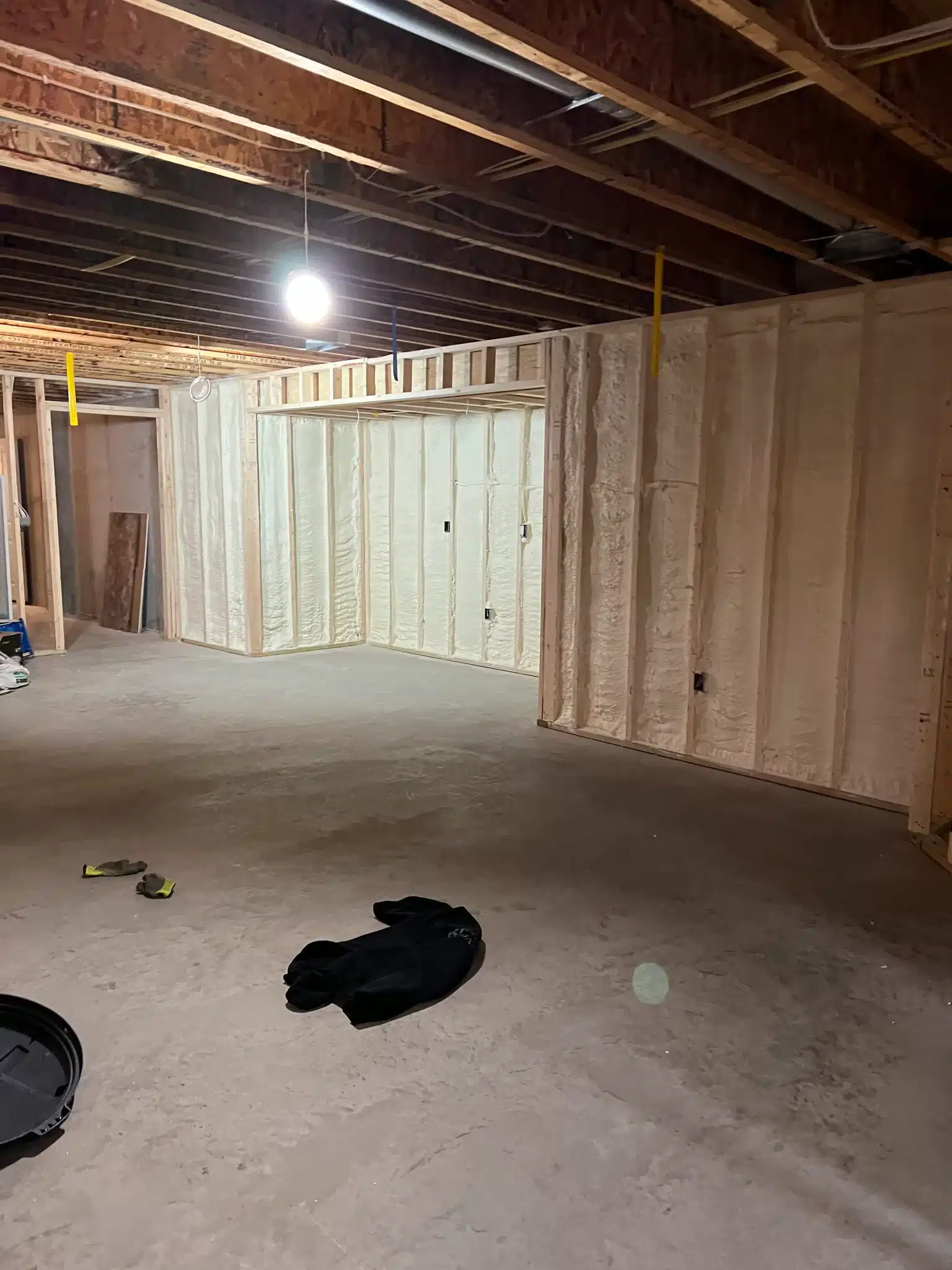
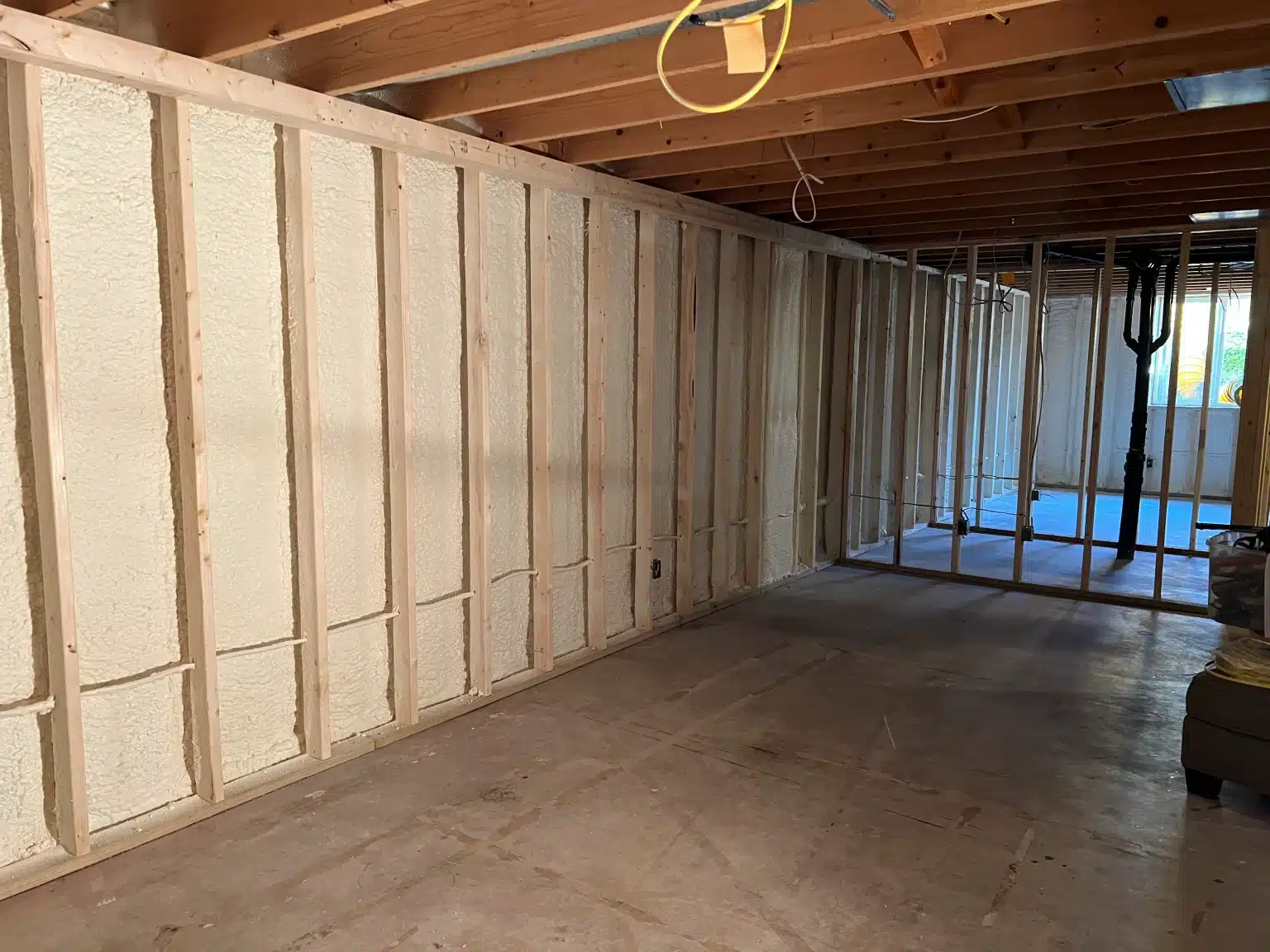
Residential spray foam insulation in Ripon, WI provides an expanding, airtight thermal envelope that stops harsh winter drafts, manages indoor humidity, and lowers seasonal energy bills. Unlike fibrous materials that simply slow conductive heat, spray foam halts both conductive heat loss and air leakage in one application.
Ripon and Fond du Lac County sit squarely in International Energy Conservation Code (IECC) Climate Zone 6. During Central Wisconsin winters, outdoor temperatures drop well below zero, while home heating systems maintain indoor temperatures near 70 degrees Fahrenheit.
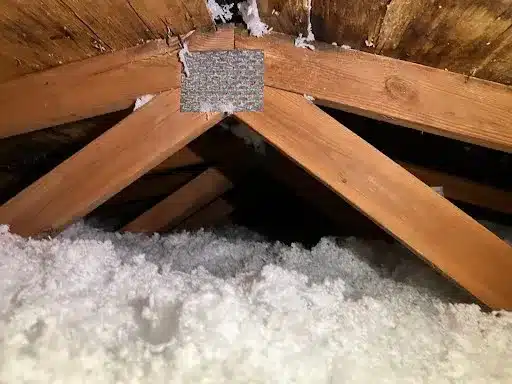
Standard fiberglass batts and loose-fill cellulose act like simple air filters; they slow conductive heat transfer, but they do not stop air infiltration. Spray polyurethane foam insulation combines two liquid components (an isocyanate “A-side” and a resin “B-side”) that mix under high pressure at the spray gun tip.
Understanding the primary home spray foam insulation benefits helps explain why this material consistently outperforms conventional insulation across our harsh regional climate.
Cold drafts occur when wind drives frigid air through framing seams, or when indoor convective currents pull outdoor air through unsealed joints. Spray foam expands into microscopic crevices, bonding directly to wood, steel, and masonry substrates. This expansion creates an uninterrupted air seal that stops exterior drafts, stabilizes indoor room temperatures, and prevents uncomfortable temperature swings between floors.
According to data from the U.S. Department of Energy, uncontrolled air leakage accounts for roughly 20% to 40% of heating and cooling energy loss in typical residences. Because spray foam combines a high R-value per inch with complete air impermeability, heating and cooling equipment runs less frequently to maintain set temperatures. This reduces mechanical wear on furnaces and air conditioners while generating noticeable savings on monthly fuel and electric bills.
Warm indoor air carries significant relative humidity from cooking, showers, and daily occupancy. In cold climates, that moisture-laden air naturally moves toward the exterior envelope. If it strikes cold exterior framing or sheathing, it condenses into liquid water or frost. Cured spray foam stops this warm, moist air from reaching cold surfaces, preventing structural wood rot and hidden mold growth within wall assemblies.
Fibrous insulation materials often collect outdoor pollen, airborne dust, and nesting pests over time. Spray foam cures into an inert, non-fibrous plastic barrier that does not provide a food source for insects or rodents. By sealing tiny cracks and penetrations, it blocks outdoor allergens, dust, and vehicle exhaust from filtering into your living spaces.
| Performance Metric | Open-Cell Spray Foam (0.5 lb) | Closed-Cell Spray Foam (2.0 lb) | Benefit for Ripon Homeowners |
|---|---|---|---|
| Thermal Resistance | R-3.5 to R-3.8 per inch | R-6.0 to R-7.0 per inch | Closed-cell achieves high R-values in narrow framing cavities. |
| Air Impermeability | Continuous air barrier | Continuous air barrier | Both stop winter drafts and wind washing completely. |
| Moisture Permeance | Vapor-permeable (>10 perms) | Class II Vapor Retarder (<1.0 perm) | Closed-cell stops moisture vapor migration naturally. |
| Water Absorption | Absorbs bulk liquid if soaked | Rejects bulk water penetration | Closed-cell handles damp environments without losing R-value. |
| Sound Dampening | High (absorbs airborne sound) | Moderate (stiffens framing) | Open-cell creates quiet interior living environments. |
Professional spray foam insulation involves strict safety procedures to guarantee healthy indoor air quality and full building code compliance.
Liquid chemicals release vapors and fine aerosol droplets during the high-pressure application process. Health guidance from the U.S. Environmental Protection Agency requires homeowners, children, and pets to vacate the property during spraying and remain out of the building for a minimum of 24 hours while industrial negative-air exhaust fans run continuously. Once this 24-hour curing window closes, the material cross-links into an inert, non-toxic solid plastic that releases no harmful emissions.
Local building regulations also require fire protection. Under Chapter SPS 322 of the Wisconsin Uniform Dwelling Code and International Residential Code (IRC) Section R316, foam plastic installed adjacent to finished living areas must be separated by an approved 15-minute thermal barrier, typically 1/2-inch gypsum drywall. In unoccupied spaces accessed solely for utility maintenance, an approved ignition barrier or tested intumescent fire-retardant paint (such as DC315) satisfies code requirements.
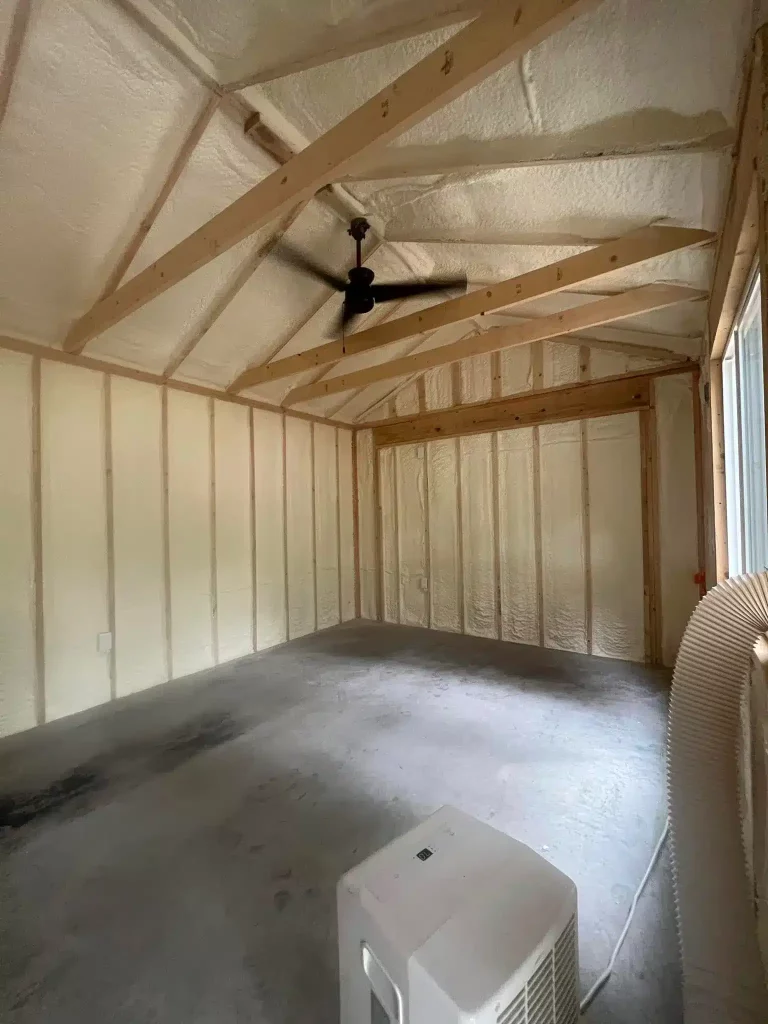
Because spray foam is manufactured directly on your property, installer expertise matters just as much as material selection.
Review this checklist when evaluating local spray foam insulation contractor in Ripon:
If your Ripon home suffers from drafty rooms, fluctuating indoor temperatures, or high seasonal heating bills, a professionally installed building envelope will make an immediate difference. Proseal Spray Foam specializes in high-performance residential spray foam insulation solutions engineered for Central Wisconsin’s freeze-thaw climate. Our experienced crews install open- and closed-cell systems using advanced proportioning equipment to guarantee a clean, durable install that passes building inspection.
Call or email our team today to discuss your project and schedule an on-site building assessment:
Spray foam reduces uncontrolled air leakage, often lowering air exchange below 3.0 ACH50. Highly sealed homes simply use balanced mechanical ventilation (such as an HRV or ERV) for fresh air.
Yes. Qualifying air sealing and insulation upgrades can earn cash-back incentives through Focus on Energy alongside federal tax credits under the Energy Efficient Home Improvement Credit .
Yes. Open-cell spray foam absorbs airborne sound waves, reducing exterior street noise and muffling sound transmission between interior rooms.
Spray foam is an inert plastic that does not settle, sag, or degrade over time, maintaining its air seal and R-value for the lifespan of the home.
DIY cylinder kits are suitable only for small touch-ups under 100 square feet. They lack heated hoses, carry a high risk of off-ratio mixing, and cost significantly more per board foot than professional installation.