R11 vs R13 Spray Foam Insulation: How These Two R-Values Really Differ
Dan Passarella
April 1st, 2026
The R11 vs R13 spray foam insulation decision comes down to three things: how much heat each value blocks, what the code book requires, and the depth of the cavity you’re filling. As explained in the complete guide to spray foam, R13 resists heat flow about 18% better than R11, and under today’s energy codes, R13 sits at the bottom of the acceptable range for standard 2×4 wall cavities across most U.S. climate zones. R11 was a workhorse in older construction, but updated efficiency standards have pushed it out of new residential builds. For contractors, the choice between R11 vs R13 spray foam insulation usually isn’t a matter of taste. It’s about what the job needs to pass inspection and perform well for decades.
TL;DR
R13 blocks roughly 18% more heat flow than R11, which makes it the default spec for 2×4 wall cavities (3.5 inches) in new residential work.
Current codes (2024 IECC) call for R13 cavity insulation or R5 continuous insulation as the baseline for above-grade walls in most climate zones.
Open-cell foam lands near R3.7 per inch and closed-cell foam near R6.5 per inch, so the thickness needed to reach R11 or R13 depends heavily on the foam chemistry.
R11 still earns its keep in retrofit projects with shallow cavities and in interior partitions where sound control, not code compliance, drives the decision.
Bag-for-bag, R11 and R13 batts cost about the same, but spray foam pricing follows board footage and foam type rather than the printed R-value alone.
ENERGY STAR points to R13 cavity fill for climate zones 3 and 4, with higher values recommended for zones 5 through 8.
Specifying the right R-value protects your inspection schedule, your client’s utility bills, and your reputation long after the crew rolls off the site.
R-Value Explained: What the Numbers Actually Measure
R-value describes thermal resistance, in other words, how effectively a material slows heat as it tries to pass through. A higher number means better insulating performance, and it’s the figure inspectors check first when verifying compliance on site. Three variables drive the rating: what the material is made of, how dense it is, and how thick the installed layer runs.
The standard R11 insulation thickness for walls is 3.5 inches when installed as a batt, and R13 fills the same cavity. When we talk about R11 and R13 in the context of spray foam, we’re describing the total thermal resistance of the finished installation inside that cavity, not the foam’s per-inch rating. That distinction matters because spray foam builds its R-value on site, one pass at a time, while batts arrive from the factory with a fixed rating.
R11 vs R13: Side-by-Side Comparison
Factor
R11 Insulation
R13 Insulation
Thermal Resistance
Lower (R11)
About 18% higher (R13)
Typical Cavity Fit
3.5-inch wall cavities
3.5-inch wall cavities
Code Compliance (2024 IECC)
Often falls short of wall minimums
Clears the minimum in most climate zones
Best Use Case
Retrofits, sound control, non-load-bearing walls
New construction, exterior walls, code-required work
Material Density
Lower density
Somewhat higher density
Cost Difference
Cheaper per unit
Marginally more per unit
ENERGY STAR Recommendation
Few qualifying applications
Zones 3 and 4 cavity walls
So, is R11 insulation good for walls? It depends entirely on where that wall sits. For above-grade exterior walls in a new build, no, it doesn’t make the cut. For interior partitions, detached outbuildings, and retrofit cavities in older homes, it can be a sensible and economical pick.
Spray Foam Insulation R Value Per Inch: How R11 and R13 Targets Are Hit
Spray foam behaves differently from batt insulation in one fundamental way. Fiberglass and mineral wool come pre-rated from the manufacturer. With spray foam, the applicator controls the thickness on the job site, and the target R-value depends on hitting that thickness accurately.
Per the spray foam reference data from R-Value Associates, the open cell foam insulation R value runs approximately R3.7 per inch, while the closed cell foam insulation R value reaches about R6.5 per inch. Here’s what that means in practice:
To hit R11 with open-cell foam: roughly 3 inches of thickness
To hit R13 with open-cell foam: roughly 3.5 inches of thickness
To hit R11 with closed-cell foam: roughly 1.7 inches of thickness
To hit R13 with closed-cell foam: roughly 2 inches of thickness
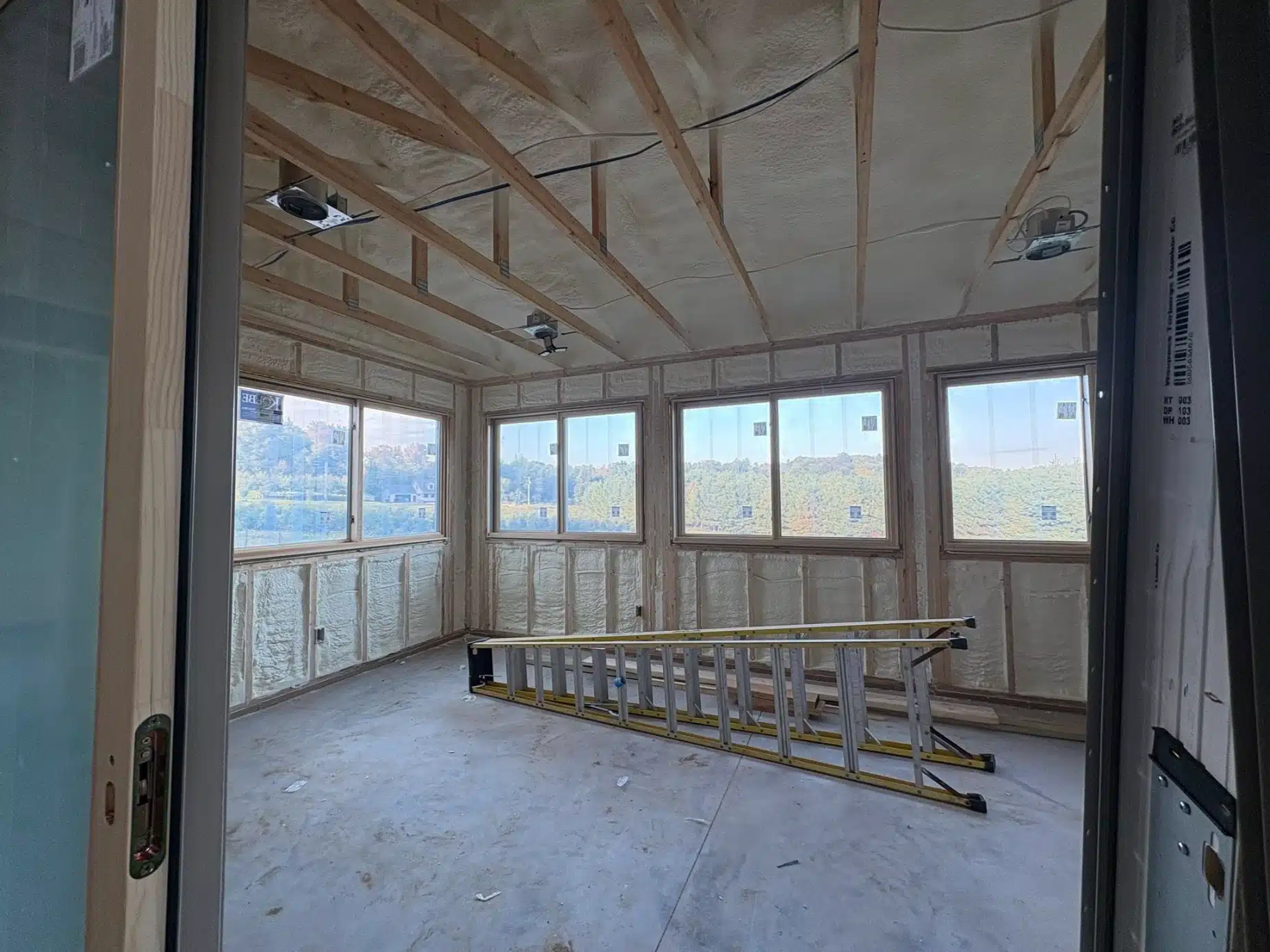
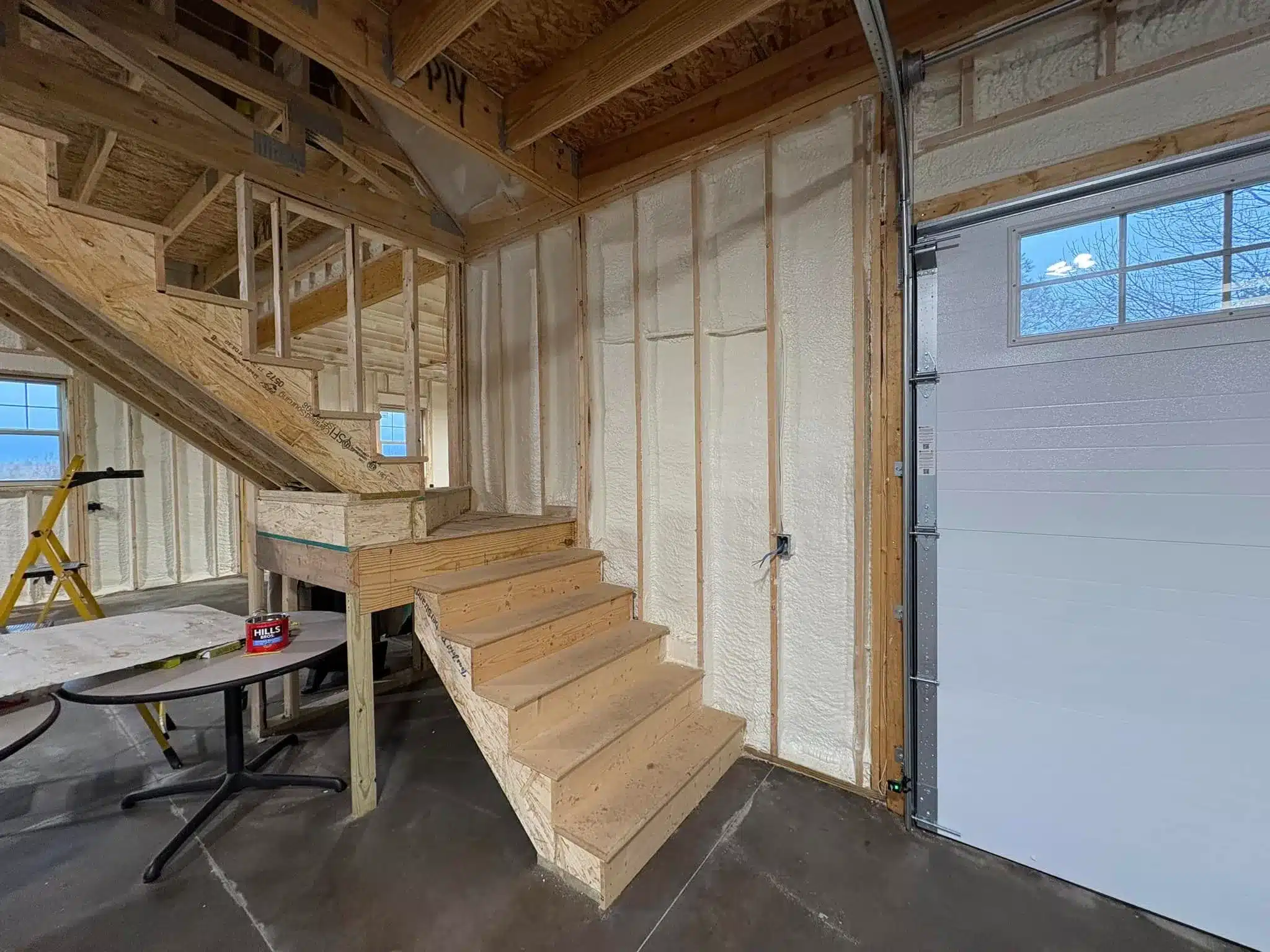
This on-site flexibility is spray foam’s real advantage over batts. In a standard 2×4 cavity (3.5 inches deep), open-cell spray foam insulation fills the space completely and edges past R13. Closed-cell foam gets to R13 in just 2 inches, which leaves room for extra moisture-control or structural layers.
Spend any time in r/Insulation threads or browsing Quora’s insulation topic, and a clear pattern shows up: almost every spray foam complaint traces back to installation execution, not the product itself. Homeowners describe foam that stayed soft or turned crumbly, lingering chemical odors, and gaps where foam pulled away from studs. The fixes are just as consistent: hire certified applicators, request a test panel before the full spray, keep the substrate within the manufacturer’s temperature range, ventilate the space, and stay out for 24 to 72 hours while the foam cures. The table below pulls together the problems raised most often in these homeowner forums along with the prevention steps professionals recommend.
Problem Reported
What Causes It
Prevention and Fix
Soft, gooey, or crumbly foam that never cures
Off-ratio mixing or a substrate that’s too cold or damp
Use certified applicators, spray a test patch first, and verify substrate temperature and moisture before application
Lingering chemical or fishy odor
Incomplete cure and poor ventilation during off-gassing
Ventilate the area, wait 24-72 hours before re-entry, and choose low-odor formulations
Moisture trapped against sheathing
Closed-cell foam sprayed over an undetected roof or plumbing leak
Repair every leak first and moisture-test wood before spraying
Foam shrinking away from studs
Lifts applied too thick or work done in cold conditions
Follow manufacturer lift limits and maintain the specified substrate temperature
Wiring and plumbing buried in foam
Utilities roughed in after the foam schedule
Finish and inspect all rough-ins before foam day and photograph the walls
Drywall or sheathing bowing
Open-cell foam over-expanded in a single pass
Apply controlled lifts and trim between passes
Failed inspection
No thermal or ignition barrier over foam in living areas
Plan for drywall or an approved coating over any foam in occupied spaces
What Does R13 Insulation Mean Under Current Building Codes
What does R13 insulation mean in practical terms? It describes a wall assembly that resists heat flow 13 times more than an uninsulated cavity, and under the 2024 International Energy Conservation Code (IECC), it’s the new floor for residential above-grade walls in most zones, either as R13 cavity fill or as part of an equivalent assembly like R5 continuous insulation over a lighter cavity fill.
The ENERGY STAR insulation guide echoes this, recommending R13 cavity insulation in zones 3 and 4 and climbing values as zones get colder. R13 batt insulation thickness requirements call for the full 3.5-inch cavity depth without compression, because squeezed batts lose rated performance fast. This shift is exactly why R11 has faded from new construction. Contractors who install R11 in an assembly that demands R13 invite failed inspections, callbacks, and unhappy homeowners, and the Insulation Institute tracks how these minimums keep trending upward. R11 insulation for exterior walls no longer clears the bar in most jurisdictions, though renovation projects in older homes sometimes qualify for different compliance paths, and cavity-plus-continuous combinations can bring legacy assemblies up to code.
Bar Chart Suggestion: Cost per square foot comparing open-cell and closed-cell spray foam installations at R11 and R13, with a secondary axis showing installed thickness to highlight the material savings of closed-cell.
Cost Considerations for Contractors
On the batt side, the price gap between R11 and R13 is pocket change, usually a few cents per square foot. With spray foam, the pricing picture changes completely. What drives cost is the foam chemistry, the installed thickness, and the total square footage, not the R-value printed on a spec sheet.
Foam Type
R-Value Per Inch
Thickness for R11
Thickness for R13
Relative Cost
Open-Cell
~R3.7
~3.0 inches
~3.5 inches
Lower
Closed-Cell
~R6.5
~1.7 inches
~2.0 inches
Higher
Closed-cell foam carries a much higher price per board foot than open-cell, but it reaches the target R-value in less thickness while adding structural stiffness and moisture resistance. One complaint that surfaces repeatedly in contractor forums is sticker shock from vague quotes, so the practical advice is simple: get board-foot pricing in writing before the job. When you’re bidding, code usually settles the R11-or-R13 question for you. The open-cell versus closed-cell decision is where the real cost and performance trade-offs live.
Real-World Contractor Scenarios
Scenario
Property Type
Recommended Option
Estimated Cost Range
New residential build, Climate Zone 4, 2×4 exterior walls
Single-family home
R13 open-cell spray foam (full cavity)
$1.20-$1.80 per sq ft
Retrofit insulation in a 1950s home with narrow 2×4 cavities
Line Graph Suggestion: Cumulative energy savings over a 10-year span for homes insulated at R11 versus R13 in Climate Zone 4, marking the payback point where the R13 upgrade covers its own cost.
Factors That Influence the Decision
A handful of variables decide whether R11 or R13 fits a given project:
Climate zone: Colder zones (5-8) often call for R20 or higher in walls, which leaves both R11 and R13 short as standalone solutions. Zones 3-4 typically set R13 as the minimum.
Cavity depth: Standard 2×4 cavities (3.5 inches) take R13 batts or full-fill foam without trouble. Shallow, uneven cavities in older homes narrow the options considerably.
Basement assemblies: R11 rigid insulation for basement walls in the form of rigid foam board remains a common below-grade approach, where moisture management shapes the spec as much as R-value does.
Foam type: Open-cell is the budget-friendly choice for cavity fill but won’t act as a vapor barrier. Closed-cell is denser, adds strength, and resists water, but it costs more.
Ceiling and attic work: R13 insulation for ceiling applications only makes sense in mild climates or as a base layer. Attics typically demand R38 to R60, so plan accordingly.
Local code jurisdiction: Municipal codes can exceed IECC minimums. Always confirm before you bid.
Budget: R11 is slightly cheaper on the batt side, but spray foam costs track thickness and foam type instead.
Moisture control: When a project needs a vapor retarder, closed-cell spray foam may be the answer no matter the target R-value.
Sound dampening: R11 insulation soundproofing performance holds up well in interior partitions where thermal numbers are secondary, making open-cell foam at that level a smart, economical call.
Who R13 Spray Foam Is For (and Who It Is NOT For)
R13 is the right call when:
Building new homes in climate zones 3 through 5
Meeting current IECC or local energy code requirements for exterior walls
Filling standard 2×4 cavities for combined thermal performance and air sealing
R13 unfaced insulation for walls is specified where a separate vapor retarder handles moisture
Homeowners want maximum efficiency inside a standard wall assembly
Passing inspection is non-negotiable
R13 insulation for interior walls makes sense where both sound control and thermal performance matter
R11 may still make sense when:
Retrofitting older homes with odd or shallow cavity depths
R11 unfaced insulation for wall cavities is already in place and a poly sheet will handle the vapor retarder
Insulating interior partitions where quiet is the main goal
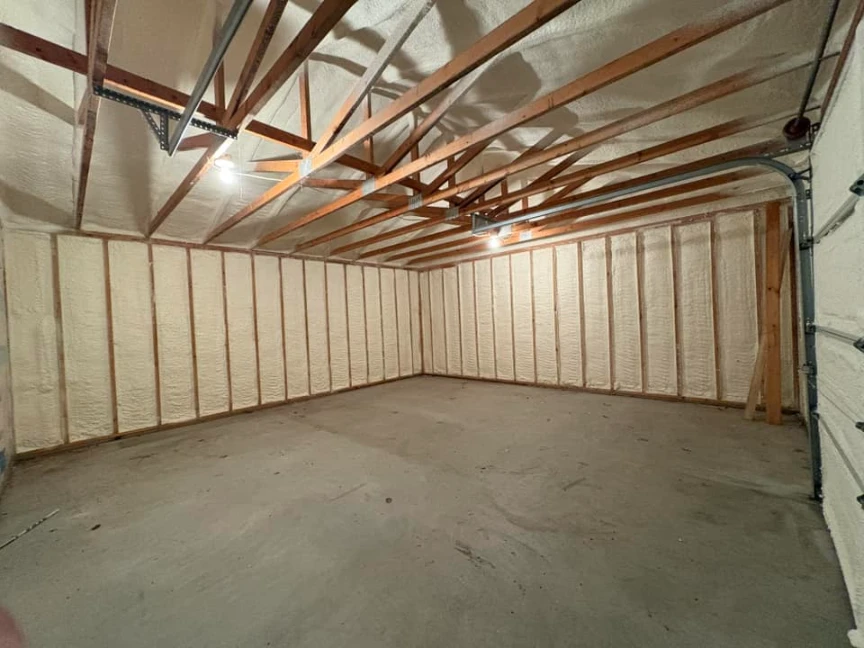
Working on detached garages, sheds, and other non-code-critical structures
Budget limits rule out full-scope closed-cell application
Topping up a wall assembly that already holds partial fill
If you’ve ever asked what is R11 insulation used for now that codes have moved on, those last six situations cover nearly all of it.
Get Expert Guidance on Your Next Insulation Project
Specifying R11 versus R13 spray foam takes more than picking a number from a catalog. Your climate zone, wall assembly, foam chemistry, and local code all shape the right answer for each job. At Proseal Spray Foam, we work alongside contractors and property owners to build insulation plans that clear inspection, cut energy waste, and hold their value for years. Contact our team to walk through your project details and get a recommendation built around your specs.
Can I use R11 insulation and still pass a building inspection?
Under most current energy codes, R11 does not meet the minimum for above-grade exterior walls in new residential construction. Renovation projects in older homes may qualify for different compliance paths, and interior partitions or unconditioned spaces often have no R13 requirement. Verify your local code before installing.
Is closed-cell spray foam worth the extra cost over open-cell?
When a project needs a vapor barrier, added structural strength, or high R-value in a thin profile, closed-cell foam justifies its premium. For standard cavity fills where air sealing and sound control are the priorities, open-cell performs well at a lower cost per square foot.
How does spray foam compare to fiberglass batts for R13 walls?
Spray foam seals air far better because it expands into gaps, cracks, and awkward corners that batts can’t reach. That air barrier effect often makes the finished spray foam wall outperform a fiberglass R13 wall, even when both carry identical ratings on paper.
Can I combine R11 insulation with a continuous insulation layer to meet code?
Yes. Many codes accept a cavity-plus-continuous approach, such as R11 cavity fill paired with R2 or R3 continuous insulation on the exterior sheathing, which can satisfy the effective R-value requirement for certain assemblies. Confirm approved combinations with your local code official.
What R-value do I need for attic insulation?
Attics demand far more than walls, with ENERGY STAR recommending R38 to R60 depending on climate zone. In unvented attic assemblies, spray foam is usually applied to the roof deck rather than the floor, and the required thickness depends on the foam type and local code.
Sources
ENERGY STAR – Recommended Home Insulation R-Values – Official R-value recommendations by climate zone for residential insulation projects.
I’m Dan Passarella, owner of Proseal Spray Foam, serving Wisconsin since July. I provide spray foam solutions for residential, commercial, and industrial properties, focusing on efficiency, comfort, and quality workmanship.
Better insulation supports consistent indoor temperatures in Ashwaubenon, WI by slowing heat transfer through your attic, walls, floors, and crawlspaces…