
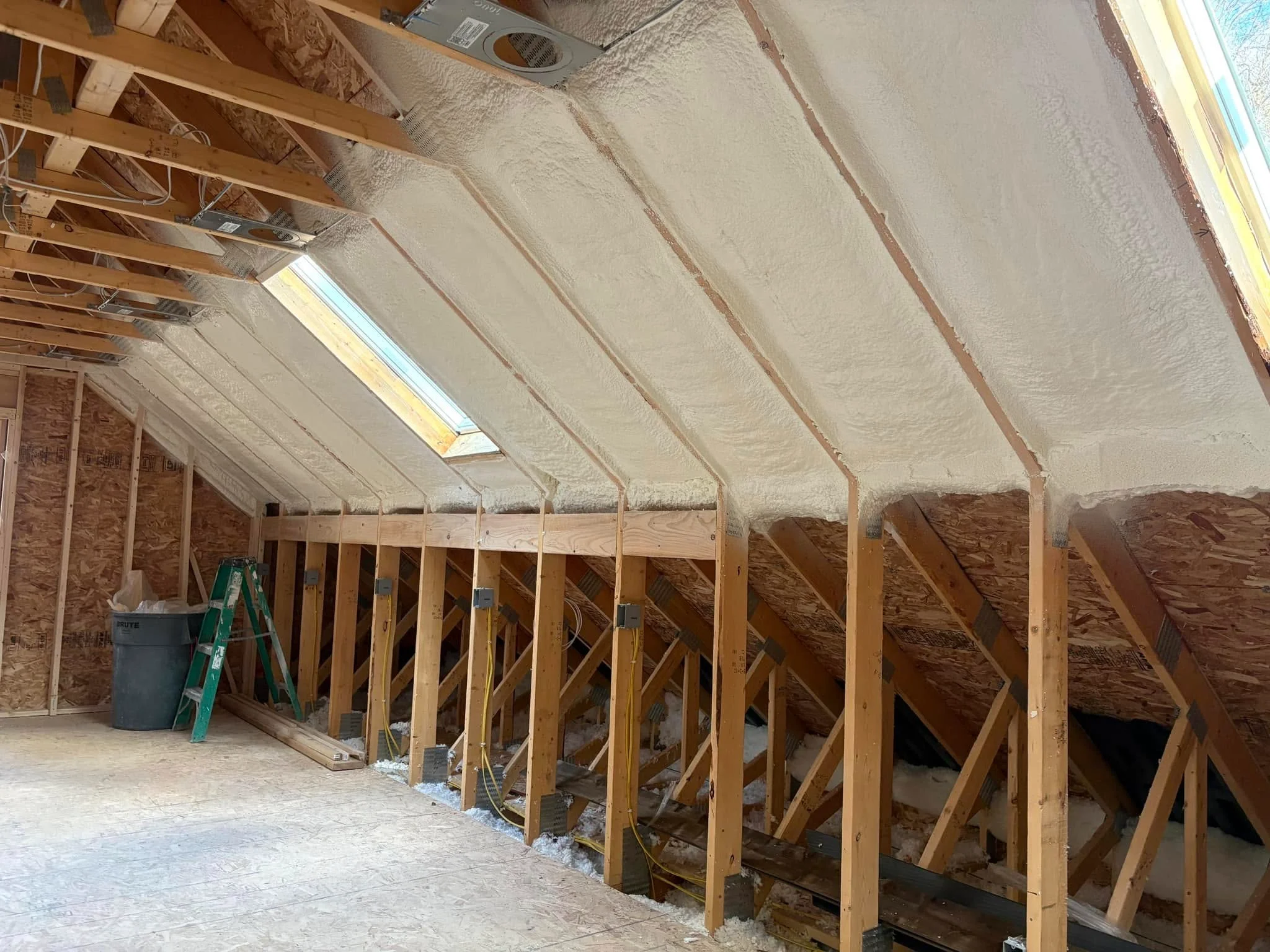
Spray foam insulation offers Waupaca townhouse residents the most effective solution for maintaining consistent indoor temperatures throughout Wisconsin’s dramatic seasonal shifts. By creating an airtight seal that prevents heat loss during harsh winters and blocks hot, humid air during summer months, spray foam reduces energy consumption by up to 50% compared to traditional insulation methods. This comprehensive approach to building envelope protection addresses the unique challenges of multi-unit housing, where thermal bridging and air leakage between shared walls can significantly impact comfort and energy costs. Proseal Spray Foam has documented substantial improvements in townhouse applications across Wisconsin’s varying climate conditions, with residents reporting year-round comfort and reduced utility bills.
The following information provides practical guidance for townhouse owners considering spray foam insulation, including specific considerations for Waupaca’s climate, installation requirements for attached housing, and realistic expectations for performance and cost.
Waupaca experiences Wisconsin’s full range of weather conditions, with winter temperatures regularly dropping below 0°F and summer heat reaching into the 90s. Traditional insulation materials like fiberglass and cellulose struggle to maintain performance across these extremes. Spray foam’s superior R-value per inch and air-sealing properties make it particularly suited for this environment.
The material expands to fill gaps and cracks that other insulation types miss, creating a continuous thermal barrier. In townhouses, this prevents heat transfer between adjoining units, a common problem that can lead to inconsistent temperatures and higher heating costs. A study by the U.S. Department of Energy shows that proper air sealing alone can reduce heating and cooling costs by an average of 15%, with combined air sealing and insulation upgrades potentially saving homeowners up to 20% on annual energy bills.
Waupaca’s proximity to lakes and rivers also means higher humidity levels during the summer months. Closed-cell spray foam acts as a moisture vapor barrier, preventing condensation issues that can lead to mold growth and structural damage in multi-unit buildings.
Two main types of spray foam insulation serve different purposes in townhouse applications. Understanding their distinct properties helps determine the right choice for specific areas of your unit.
Closed-cell spray foam offers the highest R-value (approximately 6.5 per inch) and provides moisture resistance, making it ideal for exterior walls, basements, and areas exposed to moisture. Its rigid structure also adds structural strength to walls, a benefit in attached housing units.
Open-cell spray foam provides a lower R-value (around 3.5 per inch) but excels at sound dampening between units. This makes it particularly valuable for townhouses where noise transmission through shared walls is a concern. The material remains flexible after curing, accommodating minor building movement without cracking.
| Insulation Type | R-Value Per Inch | Air Sealing | Moisture Barrier | Sound Dampening |
|---|---|---|---|---|
| Closed-Cell Spray Foam | 6.5 | Excellent | Yes | Good |
| Open-Cell Spray Foam | 3.5 | Excellent | No | Excellent |
| Fiberglass Batts | 3.2 | Poor | No | Fair |
| Cellulose | 3.8 | Fair | No | Good |
Installing spray foam in townhouses requires careful coordination between neighboring units. The process typically begins with a thorough inspection of the existing structure to identify air leakage points and insulation voids.
Professional installers must address common townhouse-specific challenges, including:
The application process involves spraying the foam material into wall cavities, where it expands 30-100 times its original volume depending on the formulation. Professional installers wear protective equipment and ensure proper ventilation during application. The curing process typically takes 24 hours, after which excess material is trimmed to create smooth wall surfaces for finishing.
Bonus Tip: Consider scheduling installation during transitional seasons (spring or fall) when milder temperatures reduce HVAC loads during the period when your townhouse will be partially exposed during installation.
While spray foam insulation represents a higher initial investment compared to traditional materials, the long-term financial benefits often justify the expense for Waupaca townhouse owners. The average installation cost depends on square footage and application requirements.
Energy savings alone can provide a return on investment within 3-5 years. Based on data from the U.S. Energy Information Administration , Wisconsin homeowners spend handsom amount on heating and cooling. With potential energy reductions of 40-50%.
Additional benefits that contribute to overall value:
Bonus Tip: Check with Waupaca County about potential energy efficiency rebates or tax incentives for insulation upgrades, as many utility companies offer programs that can offset initial installation costs.
Before proceeding with spray foam insulation installation in your townhouse, several factors warrant careful consideration:
Building age and construction type significantly impact installation complexity and cost. Older townhouses may require additional preparation work to address existing moisture issues or structural concerns. Units with fire separation requirements between shared walls may need specialized products that meet local building codes.
Neighbor coordination becomes essential in attached housing. Installation in your unit may temporarily affect adjacent units through shared wall cavities. Advance communication with neighbors helps manage expectations and minimize disruptions.
Long-term plans for your townhouse should influence decisions. If you plan to sell within the next few years, the energy efficiency upgrade can increase property value and marketability. For long-term residents, the cumulative energy savings provide ongoing financial benefits.
Accessibility for future repairs represents another consideration. Spray foam creates a continuous barrier that makes accessing plumbing or electrical systems more challenging. Installers typically leave access points around critical systems, but this planning must occur before application.
Bonus Tip: Request a detailed installation plan that identifies all access points and future maintenance considerations before work begins. Professional installers should provide documentation of foam placement for reference during any future renovations.
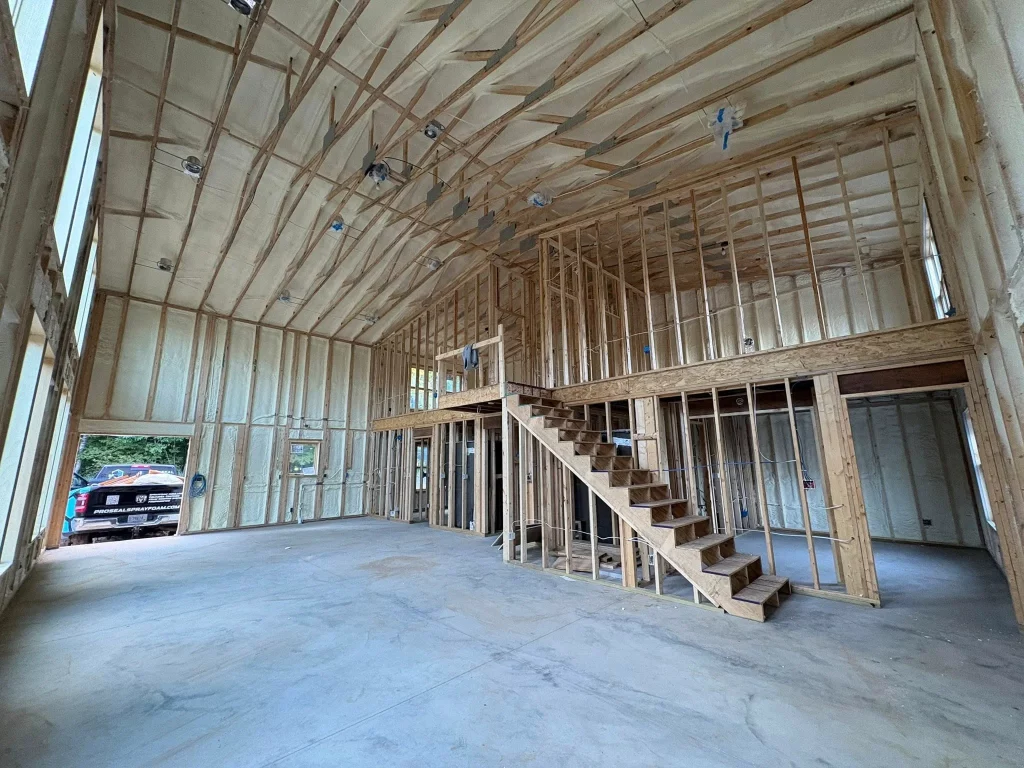
Proper insulation installation begins with a professional assessment of your specific townhouse situation. A qualified installer should evaluate your current insulation, identify air leakage points, and provide a detailed proposal addressing your comfort and energy efficiency goals.
The assessment should include infrared thermography to detect heat loss areas, blower door testing to measure air leakage, and a clear explanation of how different insulation options would perform in your specific unit. Request references from similar townhouse projects in the Waupaca area to verify experience with multi-unit building challenges.
Consider scheduling consultations during cooler months when insulation problems become most apparent. Professional installers can demonstrate temperature differences that would be addressed by spray foam installation, helping you make an informed decision based on your comfort needs and budget considerations.
For professional spray foam insulation services in the Waupaca area, Proseal Spray Foam offers comprehensive assessments and installation solutions specifically designed for townhouse applications. Contact our team at [email protected] or call (715) 227-6295 to schedule a detailed evaluation of your insulation needs and receive a customized proposal for your townhouse.
Spray foam insulation requires virtually no maintenance once properly installed. Annual visual inspections of visible areas during routine home maintenance can help identify any potential issues, though problems are rare when installed by qualified professionals.
Modern spray foam formulations are designed for safe indoor applications once fully cured. During installation, proper ventilation ensures chemical fumes dissipate completely. After 24-48 hours, the material is inert and does not release harmful particles or gases.
Energy efficiency upgrades typically increase property values. According to the National Association of Home Builders, energy-efficient homes can sell for up to 10% more than comparable properties without these features.
Yes, spray foam can be installed selectively to address specific problem areas. Common priority areas include exterior walls, attics, crawl spaces, and shared walls where air leakage or thermal transfer causes comfort issues.