
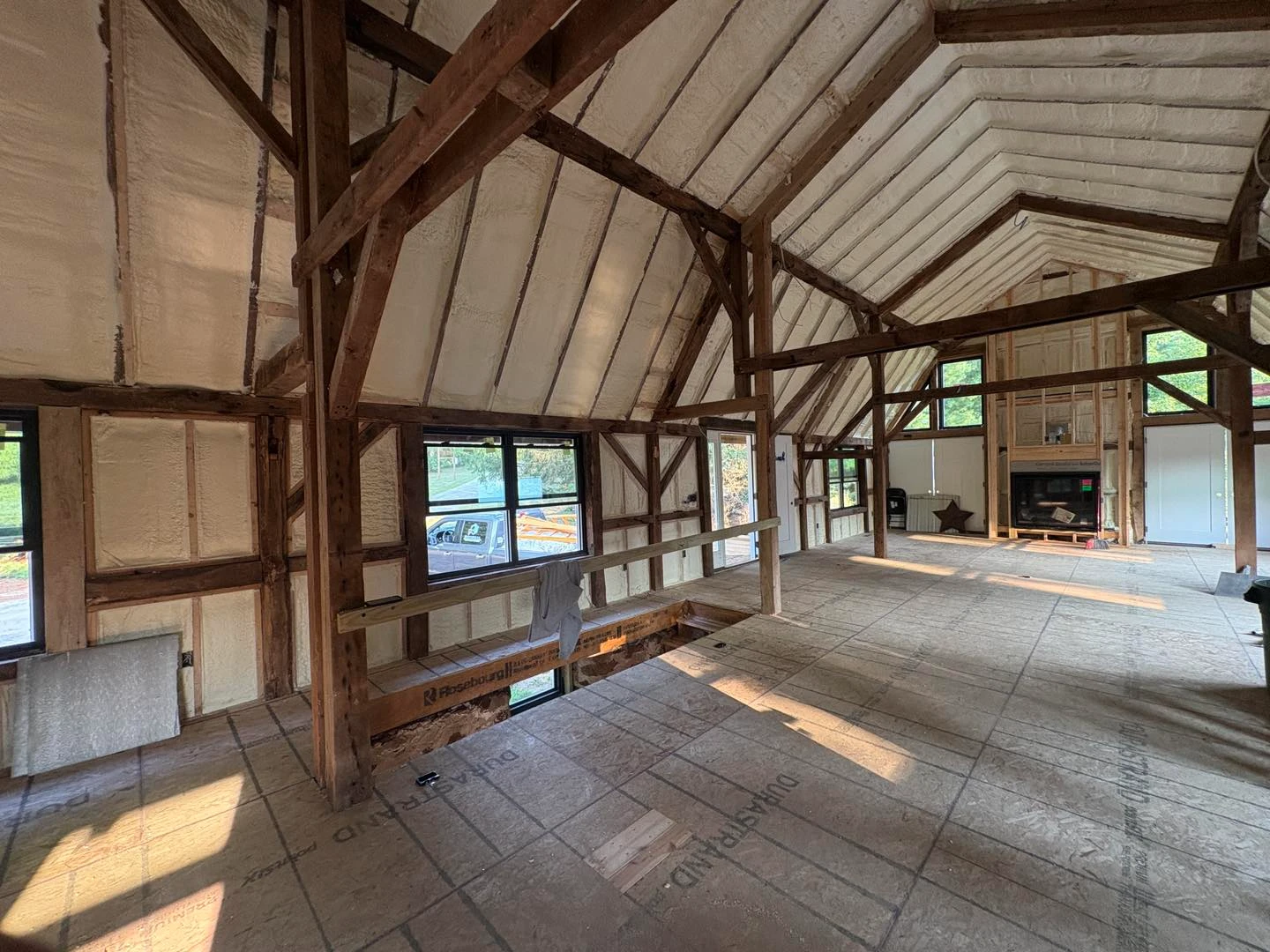
Spray foam insulation effectively reduces noise transmission through walls, ceilings, and floors by creating an airtight seal that blocks sound waves more completely than traditional insulation materials. In Stevens Point’s variable climate, this dual-purpose solution provides both thermal efficiency and significant sound reduction, making it particularly valuable for homes near busy streets, in multi-family dwellings, or for homeowners seeking quieter living spaces. This comprehensive guide examines how spray foam accomplishes soundproofing, regional considerations, and practical factors for homeowners evaluating this investment.
The information presented comes from years of hands-on experience installing spray foam insulation across Wisconsin’s diverse housing stock, understanding both the acoustic and thermal properties that make this material unique. From historic homes in downtown Stevens Point to new construction in surrounding communities, the application principles remain consistent while the benefits vary based on specific building characteristics and environmental conditions.
Spray foam insulation stops sound through two primary mechanisms: mass and air sealing. Unlike fiberglass or cellulose, which primarily absorb sound waves, spray foam fills every gap and crack, eliminating air pathways that carry noise. The material’s cellular structure converts sound energy into heat through friction, further reducing sound transmission. When properly installed, spray foam can reduce sound transmission by 50-75% compared to conventional insulation.
Two types of spray foam offer different acoustic properties. Open-cell foam, with its flexible, less dense structure, excels at absorbing mid-range frequencies like human speech and television audio. Closed-cell foam, being denser and more rigid, provides better mass for blocking low-frequency sounds like traffic noise or bass from neighboring units. The choice between them depends on the specific noise sources you need to address.
Sound Transmission Class (STC) ratings measure how well building materials reduce sound. Higher numbers indicate better soundproofing performance. Standard drywall has an STC rating around 30-35, while uninsulated walls might rate as low as 25. Adding spray foam insulation can increase wall assemblies to STC 45-55, making conversations through walls barely audible.
For comparison, here’s how different insulation materials perform in standard wall assemblies:
| Insulation Type | STC Rating (2×4 Wall Assembly) | Thickness Required | Primary Strength |
|---|---|---|---|
| No Insulation | 25-30 | N/A | None |
| Fiberglass Batts | 32-36 | 3.5″ | Absorption |
| Cellulose | 35-38 | 3.5″ | Absorption |
| Open-cell Foam | 45-50 | 3.5″ | Air sealing |
| Closed-cell Foam | 48-55 | 2-3″ | Mass & sealing |
The data shows spray foam’s superiority in sound blocking compared to traditional materials, though the specific rating depends on proper installation and complete cavity filling.
Stevens Point’s location along the Wisconsin River and near major transportation corridors creates unique noise challenges. Homes near Highway 51, Business 51, or railroad lines experience consistent low-frequency noise that closed-cell foam addresses particularly well. The area’s seasonal temperature swings also make the air-sealing benefits of spray foam valuable for both comfort and energy efficiency.
Local building codes in Portage County align with Wisconsin state requirements for insulation, but soundproofing standards typically aren’t mandated for single-family homes. This puts the responsibility on homeowners to specify acoustic performance during construction or renovation projects. Many new developments in Stevens Point feature tighter lot lines, making sound transmission between properties more noticeable and soundproofing increasingly important.
Before choosing spray foam for soundproofing, evaluate your specific noise sources. Traffic and industrial noise respond best to closed-cell foam, while sounds from adjacent living spaces, such as apartments or shared walls, may be better addressed with open-cell products. The existing wall construction also matters; plaster walls transmit less sound than drywall, potentially affecting your insulation choice.
Installation timing affects both cost and effectiveness. New construction allows for complete cavity access, while retrofitting existing walls requires strategic access points and may not achieve the same coverage level. Proseal Spray Foam often recommends addressing soundproofing during other renovation projects to minimize disruption and maximize coverage.
The budget impact varies significantly between foam types. Closed-cell typically costs 2-3 times more than open-cell due to material density and application techniques. However, for serious soundproofing needs, the investment often proves justified compared to alternative soundproofing methods like additional drywall layers or specialized sound barriers.
Bonus Tip: For retrofitting existing walls, consider combining spray foam with other soundproofing techniques like resilient channel or double drywall for maximum noise reduction without complete wall demolition.
Bonus Tip: For bedrooms or home offices, focus spray foam application on shared walls first, then ceilings if overhead noise is an issue. This targeted approach maximizes acoustic benefit while controlling costs.
Proper installation is critical for acoustic performance. Spray foam must completely fill wall cavities without gaps or voids that could allow sound leakage. Professional installers use specific techniques to ensure consistent coverage, especially around electrical boxes, plumbing penetrations, and framing irregularities.
Temperature and humidity affect application quality. In Stevens Point’s climate, professional installers understand how seasonal conditions impact foam expansion and curing times. Summer installations may require different techniques than winter jobs to achieve optimal density and adhesion.
The thickness of the applied foam directly affects soundproofing capability. While thermal needs might be met with 2-3 inches, optimal acoustic performance often requires complete cavity filling, typically 3.5 inches in standard walls Building Science Corporation. This complete fill prevents air pockets that could transmit sound between framing members.
Bonus Tip: For existing homes with plaster walls, consider drilling small, strategically placed holes for foam injection rather than removing entire wall sections. This preserves historical character while still improving acoustic performance.
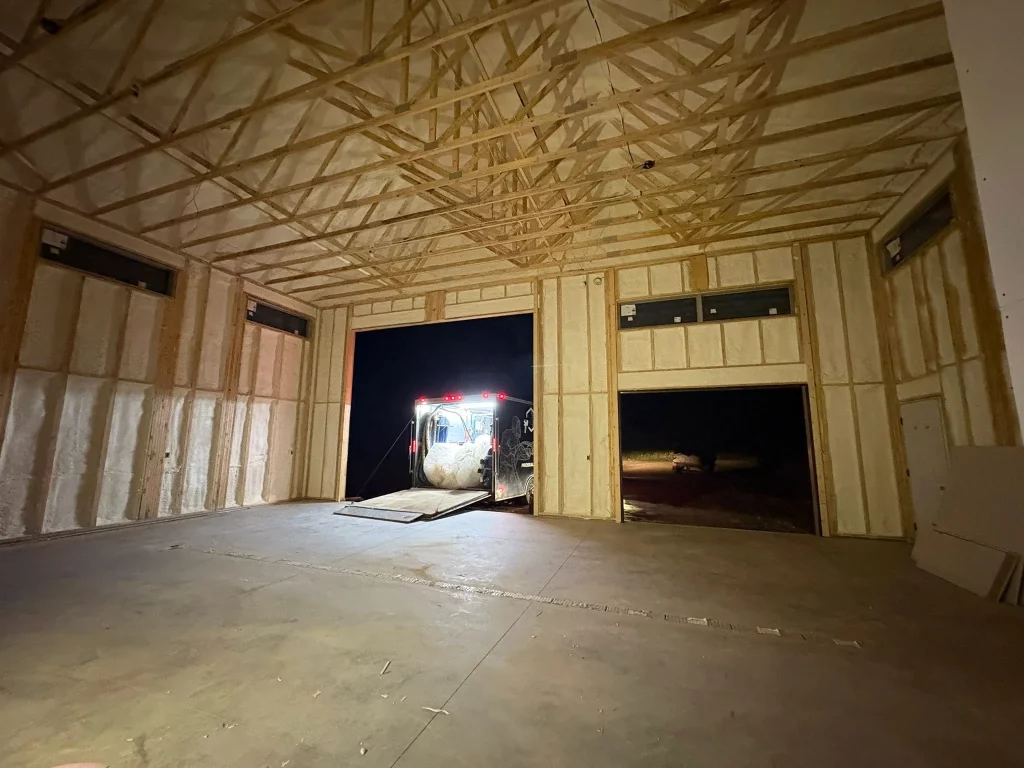
The value of soundproofing extends beyond immediate comfort. Homes with effective sound insulation often command higher resale values, particularly in noisy urban areas or dense developments. For Stevens Point homeowners, this investment creates both immediate quality-of-life improvements and long-term property value.
Noise pollution affects health and well-being in documented ways. Research from the Environmental Protection Agency links chronic noise exposure to stress, sleep disruption, and cardiovascular issues. Soundproofing your home creates a healthier living environment, a benefit that’s difficult to quantify but significant for daily life.
The dual benefit of energy savings and noise reduction makes spray foam particularly valuable. By addressing both concerns simultaneously, homeowners avoid separate investments in thermal insulation and acoustic treatments. According to the U.S. Department of Energy, proper insulation can reduce heating and cooling costs by 15-20% in Wisconsin homes, providing financial returns that offset soundproofing costs.
Spray foam insulation provides substantial sound reduction through complete cavity filling and air sealing, with performance varying by foam type and installation quality. For Stevens Point homes, the combination of acoustic and thermal benefits makes it a practical investment, particularly for properties near noise sources or in denser neighborhoods.
Evaluate your specific soundproofing needs by identifying noise sources and assessing existing construction before selecting materials. Professional installation ensures optimal acoustic performance, especially important in retrofit situations where complete coverage requires experience and technique.
Consider the long-term value proposition beyond immediate noise reduction – energy savings, increased property value, and health benefits all contribute to the overall return on investment. The right insulation choice depends on balancing acoustic requirements, budget constraints, and building characteristics.
For homeowners in Stevens Point considering spray foam insulation for soundproofing, Proseal Spray Foam offers comprehensive evaluations of your specific acoustic challenges. Contact our team at [email protected] or call (715) 227-6295 to schedule a consultation and discuss how spray foam insulation can address your home’s unique sound transmission issues.
While products like mass-loaded vinyl specifically target sound, spray foam provides comparable STC ratings while also delivering thermal benefits. For most residential applications, spray foam offers better overall value, though specialized products may still have a place in recording studios or home theaters.
Yes, through a process called foam injection. Installers drill small holes and inject expanding foam into wall cavities. This works best for frame walls without obstructions. Solid masonry walls require different soundproofing approaches entirely.
It significantly reduces plumbing noise but doesn’t eliminate it entirely. For particularly noisy drain lines, additional strategies like pipe insulation or strategic framing modifications may be necessary in conjunction with spray foam.
Properly installed spray foam insulation maintains its acoustic properties for the life of the building. Unlike some soundproofing materials that can degrade over time, cured spray foam remains stable and effective indefinitely.