
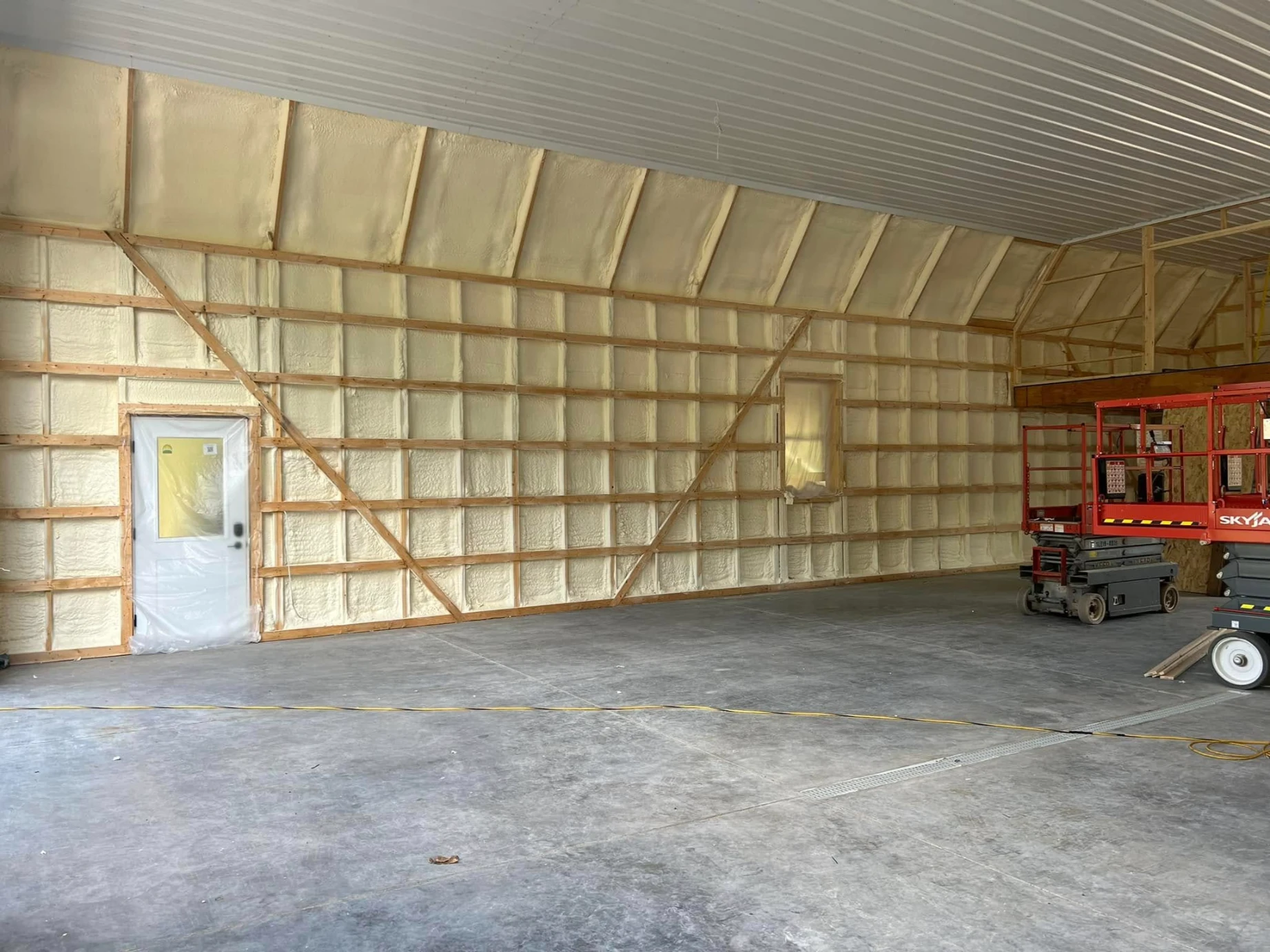
Spray foam insulation strengthens your walls through four primary mechanisms: adhesive bonding that ties structural components together, moisture resistance that prevents material degradation, load distribution that reduces stress on framing, and air sealing that prevents pressure differentials that can damage walls. This comprehensive approach goes beyond thermal performance, actively contributing to your home’s structural stability and longevity. The following details explain how these systems work together to create more durable, resilient walls that withstand environmental stresses better than conventionally insulated structures.
Many homeowners focus solely on the energy savings from insulation but overlook these critical structural benefits. With years of field experience applying spray foam in various climate zones and building types, the information presented comes from direct observation and testing of how properly installed foam insulation interacts with wall assemblies over time.
Spray foam insulation acts as a powerful adhesive that bonds wall components together. When applied, the foam expands and fills gaps, then hardens to create a continuous bond between studs, sheathing, and drywall. This bonding effect significantly increases the wall’s racking resistance, which is the ability to withstand forces that try to push the wall out of square. Traditional insulation materials like fiberglass or cellulose simply occupy space without providing any structural connection.
The adhesive properties are particularly valuable during extreme weather events. Studies have shown that homes with spray foam insulation exhibit greater resistance to wind uplift and seismic forces. The foam creates what engineers call a “stressed skin panel,” where all wall components work together as a unified system rather than individual parts. This distributed strength helps prevent wall failure during high winds or ground movement.
Bonus tip: During installation, the adhesive bonding is strongest when foam is applied at temperatures between 60-80°F and when surfaces are clean and dry. This ensures maximum chemical reaction and expansion for the best structural performance.
Closed-cell spray foam creates an impermeable moisture barrier that protects wall assemblies from water damage. Unlike traditional insulation that can absorb and hold moisture, spray foam resists water penetration while maintaining its insulating properties. This characteristic prevents the common problems of rot, mold growth, and material degradation that compromise structural integrity over time.
Water damage is a primary cause of structural failure in buildings. According to research by the Insurance Institute for Business & Home Safety, water-related claims account for nearly 25% of all homeowners insurance losses. Spray foam’s moisture resistance helps protect against costly damage by preventing water from reaching vulnerable structural components such as wood studs and sheathing.
When foam insulation is properly installed, it eliminates gaps and cracks that allow moisture to enter. The seamless coverage creates a continuous barrier that outperforms traditional moisture control methods that rely on multiple products working together. This integrated approach reduces points of failure in the building envelope and provides long-term protection against structural damage.
Spray foam insulation helps distribute loads more evenly across wall assemblies, reducing stress concentrations that can lead to failure. The foam’s rigid structure transfers forces between components, preventing localized overloading of individual studs or connection points. This load distribution is especially important in taller buildings or structures with large openings where forces need careful management.
The load-bearing benefits vary between foam types. Closed-cell spray foam provides greater structural support due to its higher density and rigidity, while open-cell foam offers more modest benefits. The choice between types should take into account specific structural requirements and insulation needs.
Table: Structural Properties of Insulation Types
| Insulation Type | Compressive Strength (psi) | R-value per inch | Moisture Resistance | Structural Contribution |
|---|---|---|---|---|
| Closed-cell spray foam | 25-40 | 6.5-7.0 | High | Excellent – provides bonding and load distribution |
| Open-cell spray foam | 2-5 | 3.5-4.0 | Low | Moderate – provides bonding only |
| Fiberglass batts | <1 | 3.1-3.4 | Poor | None – no structural contribution |
| Rigid foam board | 10-25 | 4.0-5.0 | High | Good – provides some shear strength |
Bonus tip: In retrofit applications, spray foam can reinforce existing walls that show signs of structural weakness. The foam’s bonding properties can help stabilize walls that have developed minor bowing or movement over time.
Spray foam’s air-sealing properties prevent pressure differentials that can damage wall structures. Uncontrolled air movement through walls creates pressure zones that can exert forces on building materials. These constant stresses, while small individually, accumulate over time and can lead to fastener loosening, joint separation, and material fatigue. The global spray foam insulation market is growing rapidly, projected to reach billions of dollars by 2027, driven in part by these structural benefits.
Air leakage also carries moisture that can condense within wall assemblies, creating hidden damage that compromises structural integrity. By eliminating air movement, spray foam prevents these moisture transport mechanisms and the associated deterioration of structural components. This comprehensive sealing approach addresses both visible and invisible threats to wall stability.
The air-sealing benefits extend beyond moisture control. By preventing wind-driven rain from penetrating walls, spray foam reduces hydrostatic pressure that can force water through building materials. This protection is particularly valuable in coastal regions and areas with heavy rainfall, where water intrusion poses significant structural risks.
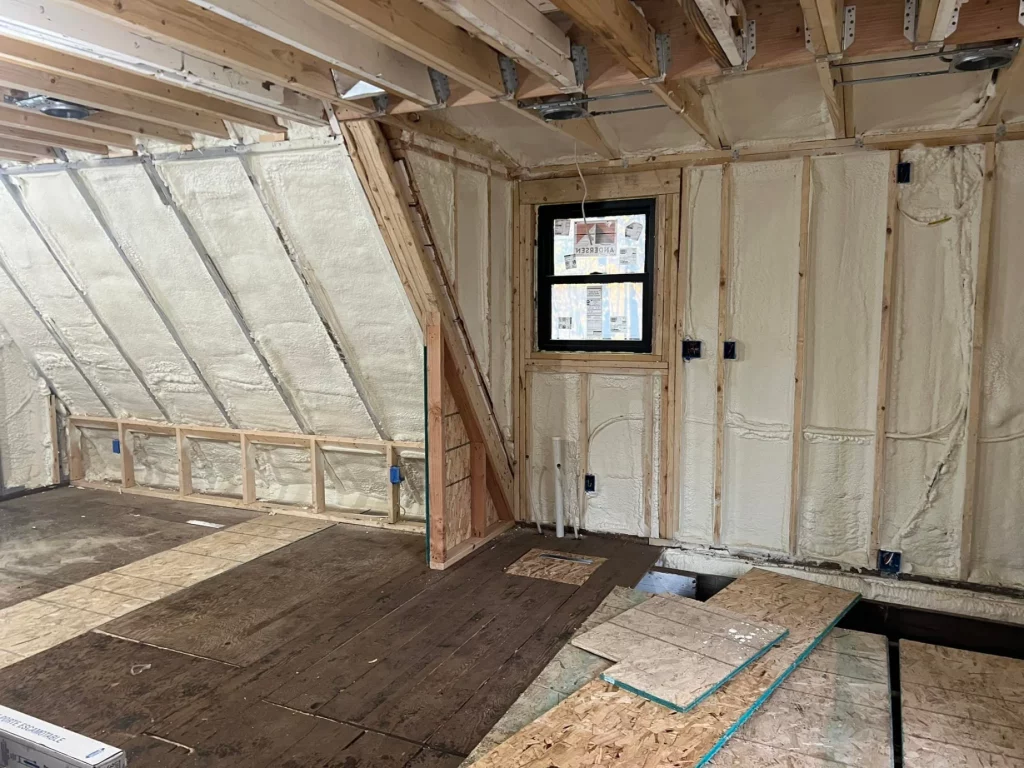
Several factors should inform your decision to use spray foam for structural benefits. The existing condition of your walls matters significantly – spray foam works best in stable assemblies without existing damage. For walls with structural issues, address them first to ensure the foam delivers its intended benefits.
Climate considerations play an important role too. In regions with high humidity or frequent precipitation, spray foam’s moisture resistance is particularly valuable. Conversely, in dry climates, the benefits of structural bonding and load distribution may be prioritized. Local building codes may also influence your approach, as some jurisdictions have specific requirements for foam insulation types and installation methods.
Installation quality directly affects structural benefits. Improper application can create gaps or uneven expansion, reducing the foam’s effectiveness. Professional installers understand how to apply foam for maximum structural performance, including proper cavity fill rates and expansion control.
Bonus tip: When planning a spray foam installation for structural benefits, consider combining it with other reinforcement techniques like sheathing upgrades or connector installation for comprehensive wall improvement.
Spray foam insulation offers unique structural benefits that go far beyond traditional insulation materials. The combination of adhesive bonding, moisture resistance, load distribution, and air sealing creates wall assemblies that are stronger, more durable, and more resilient to environmental stresses. These benefits make spray foam particularly valuable in regions with severe weather, in buildings with special structural requirements, or for homeowners seeking maximum long-term performance.
When evaluating insulation options, consider both the thermal performance and the structural advantages of spray foam. The investment often pays dividends in reduced maintenance, improved durability, and better protection against damage. For homes in challenging climates or with unique structural needs, the comprehensive benefits of spray foam insulation make it a compelling choice that addresses multiple building performance requirements simultaneously.
For technical questions about spray foam insulation’s structural benefits or specific project requirements, Proseal Spray Foam can provide detailed information based on extensive field experience. Contact the technical team at [email protected] or call (715) 227-6295 to discuss how spray foam insulation can address your specific structural improvement needs. The team offers consultation services to help determine the appropriate foam type and application method for your particular situation.
While spray foam costs more upfront than traditional insulation, its dual benefits of insulation and structural reinforcement can provide value that justifies the investment, especially in new construction or major renovations where structural capacity is a concern.
Spray foam works in most wall assemblies, including wood framing, steel framing, and some masonry applications. However, special considerations apply to historic buildings and structures with unique materials.
Structural benefits begin with any application that completely fills the cavity, but maximum benefits typically come with 2-4 inches of closed-cell foam or 3-5 inches of open-cell foam. The optimal thickness depends on wall depth and structural requirements.
The foam’s rigidity can make future modifications more challenging, but careful planning and documentation of wire paths and pipe locations can minimize difficulties. Installers often leave channels around known utility runs for easier access.
When properly installed and cured, spray foam is safe and inert. During installation, proper ventilation and protective equipment are essential. Some people are sensitive to the chemicals used during application, so discussing this with installers beforehand is important.