
You know that feeling when your energy bills keep climbing despite your best efforts to conserve power? You’ve tried turning down the thermostat, sealing obvious drafts, and maybe even investing in a smart thermostat. Yet those monthly statements tell a different story. The culprit might be hiding in plain sight, working silently against your efficiency efforts every single day: poor insulation.
Insulation is one of those home and building upgrades that often gets overlooked until problems become impossible to ignore. It’s not flashy like a new kitchen remodel or visible like solar panels on your roof. Instead, it works quietly behind your walls, in your attic, and beneath your floors, determining whether your heating and cooling systems work efficiently or run themselves ragged trying to keep up.
This guide comes from years of hands-on experience helping homeowners and business owners solve their energy efficiency challenges. Proseal Spray Foam has seen firsthand how the right insulation choices can transform uncomfortable spaces into comfortable ones, slash energy costs by up to 50%, and even improve indoor air quality. Whether you’re building new, renovating, or just trying to understand why your building feels drafty, this comprehensive resource will walk you through everything you need to know.
At its core, insulation is any material that slows down the transfer of heat between your building’s interior and exterior. Heat naturally moves from warmer areas to cooler areas—trying to escape your heated home in winter and infiltrate your air-conditioned space in summer. Insulation acts as a barrier, reducing heat transfer and slowing it down.
The science behind insulation comes down to three main mechanisms of heat transfer: conduction (heat moving through materials), convection (heat moving through air currents), and radiation (heat moving through electromagnetic waves). Good insulation addresses all three types. For example, fiberglass traps air pockets to slow conduction, while spray foam creates air barriers to prevent convection.
The performance of insulation is measured by R-value, which indicates thermal resistance. Higher R-values mean better insulating power. However, R-value isn’t the whole story—proper installation, air sealing, and moisture control all work together to determine real-world performance.
The impact of good insulation extends far beyond just comfort. According to the U.S. Department of Energy, heating and cooling account for about 48% of energy use in a typical American home, making it the largest energy expense for most households. Proper insulation can reduce heating and cooling needs by 10-50%, depending on your climate and current insulation levels.
For businesses, the stakes are even higher. Commercial buildings spend an average of $2.10 per square foot annually on energy, with poor insulation being a major contributor to waste. The EPA estimates that commercial building owners and managers can save roughly 20% on heating and cooling costs or about 10% on total energy costs just by sealing air leaks and adding insulation.
Beyond energy savings, proper insulation contributes to:
Your insulation needs vary significantly based on where you live. The United States is divided into eight climate zones, each with recommended R-values for different parts of your building. For example, homes in Miami (Zone 1) might need R-30 to R-49 in attics, while homes in Minneapolis (Zone 7) require R-49 to R-60 in the same spaces.
**Key Takeaway:** Understanding your climate zone is the first step in choosing appropriate insulation. The Department of Energy provides detailed recommendations for each zone, covering everything from crawl spaces to cathedral ceilings. Getting this right prevents both under-insulating (wasting energy) and over-insulating (wasting money).
Spray foam insulation comes in two main varieties: open-cell and closed-cell. Open-cell foam is less dense, has a lower R-value (about R-3.5 per inch), and remains flexible after application. It’s excellent for sound dampening and works well in interior applications. Closed-cell foam is denser, provides higher R-values (around R-6.5 per inch), and adds structural strength to buildings. It’s also moisture-resistant, making it ideal for crawl spaces, basements, and exterior walls.
The application process involves mixing two chemicals at the spray tip, where they expand and harden into place. This expansion allows spray foam to fill gaps and cracks that other insulation types miss, creating both thermal insulation and an air barrier in one application.
Expert Tip: When considering spray foam, pay attention to the blowing agent used. Some older formulations used hydrofluorocarbons (HFCs) with high global warming potential. Modern formulations with water or hydrofluoroolefins (HFOs) are much more environmentally friendly while maintaining excellent performance characteristics.
Fiberglass remains one of the most common and affordable insulation options. It comes in batts (pre-cut panels) and rolls, or as loose-fill for blown applications. Traditional fiberglass offers R-values of R-2.9 to R-3.8 per inch, though high-density versions can reach R-4.3 per inch.
The main advantages of fiberglass include its low cost, fire resistance (glass doesn’t burn), and widespread availability. However, it’s prone to moisture damage, can settle over time, reducing effectiveness, and may leave gaps around obstacles that reduce overall performance. Installation quality significantly affects real-world R-value—poorly installed fiberglass might only deliver 50-60% of its rated performance.
Made from recycled paper products (primarily newsprint), cellulose insulation is one of the most environmentally friendly options available. It’s treated with borate compounds for fire and pest resistance. Cellulose typically provides R-3.2 to R-3.8 per inch.
Cellulose can be installed as loose-fill (blown in) or dense-packed in wall cavities. It fills gaps well around pipes and wiring, reducing air infiltration better than fiberglass. The material also has good sound-dampening properties. However, it can settle over time (requiring additional material in attics) and is sensitive to moisture, though not as severely as fiberglass.
Rigid foam boards come in three main types: extruded polystyrene (XPS), expanded polystyrene (EPS), and polyisocyanurate (polyiso). They offer high R-values per inch:
These boards are excellent for continuous insulation on exterior walls, foundations, and under slabs. They provide consistent insulation without thermal bridging (heat transfer through framing). However, they require careful detailing around edges and penetrations to prevent air leaks.
Made from rock or slag fibers, mineral wool offers similar performance to fiberglass (R-3.0 to R-3.3 per inch) with some advantages. It’s naturally fire-resistant (doesn’t require additional chemicals), has better moisture resistance than fiberglass, and provides superior sound attenuation. Mineral wool is also denser, which helps it resist settling and compression.
The main drawbacks are higher cost and potential skin irritation during installation (similar to fiberglass). It’s often used in commercial applications, sound studios, and where fire performance is a priority.
| Insulation Type | R-Value Per Inch | Best Applications | Installation Complexity |
|---|---|---|---|
| Spray Foam (Closed-Cell) | 6.0-6.5 | Walls, foundations, roofs | Professional required |
| Spray Foam (Open-Cell) | 3.5-4.0 | Interior walls, attics | Professional required |
| Fiberglass Batts | 2.9-3.8 | Standard walls, attics | DIY friendly |
| Cellulose (Loose-fill) | 3.2-3.8 | Attics, existing walls | Professional preferred |
| Rigid Foam Board | 3.6-7.0 | Exterior walls, foundations | Professional installation |
| Mineral Wool | 3.0-3.3 | Fire-rated assemblies, soundproofing | DIY with protection |
*Costs are approximate and vary by region, project complexity, and installation method.
**Key Takeaway:** No single insulation type is perfect for every application. The best choice depends on your climate, budget, installation location, and performance priorities. Many projects benefit from combining different types—like using rigid foam for continuous exterior insulation and spray foam for air sealing critical areas.
For homes, insulation priorities vary by region and house style. In most climates, the attic offers the highest return on investment since heat rises and can escape easily through the roof. Recommended attic insulation levels range from R-30 in hot climates to R-60 in cold regions.
Walls come next in priority. For new construction, you have the luxury of choosing optimal insulation systems. For existing homes, options include blown-in insulation (for accessible cavities), spray foam (for accessible areas), or exterior insulation retrofits (more expensive but highly effective).
Basements and crawl spaces often get overlooked but are critical for comfort and energy efficiency. In most climates, foundation walls should be insulated to at least R-10 to R-20. Crawl spaces typically do better when sealed and insulated rather than vented to the outdoors.
Commercial buildings face unique insulation challenges due to their size, usage patterns, and equipment requirements. Metal buildings, warehouses, and retail spaces often suffer from thermal bridging through steel frames and poor insulation performance of standard metal roof systems.
Spray foam has become increasingly popular in commercial applications because it combines insulation with air sealing and moisture control in one application. Large commercial buildings also benefit from continuous insulation systems that eliminate thermal bridging through structural elements.
Specialized applications include:
Some situations require specialized insulation products. Reflective or radiant barriers, for example, work well in hot climates by reflecting radiant heat rather than absorbing it. These are most effective in attics with proper ventilation.
For retrofit projects where interior space can’t be sacrificed, exterior insulation systems add a layer of protection without reducing room dimensions. This approach also protects the building envelope from temperature swings and moisture.
Moisture-prone areas like basements and crawl spaces often benefit from closed-cell spray foam or rigid foam with moisture-resistant properties. These materials can double as vapor barriers, preventing condensation issues that can lead to mold growth.
Expert Tip: When insulating existing buildings, always address air sealing before adding insulation. Even the highest R-value insulation won’t perform well if air can bypass it through gaps and cracks. A blower door test before and after insulation work can quantify air leakage reduction and help ensure you’re getting the full benefit of your investment.
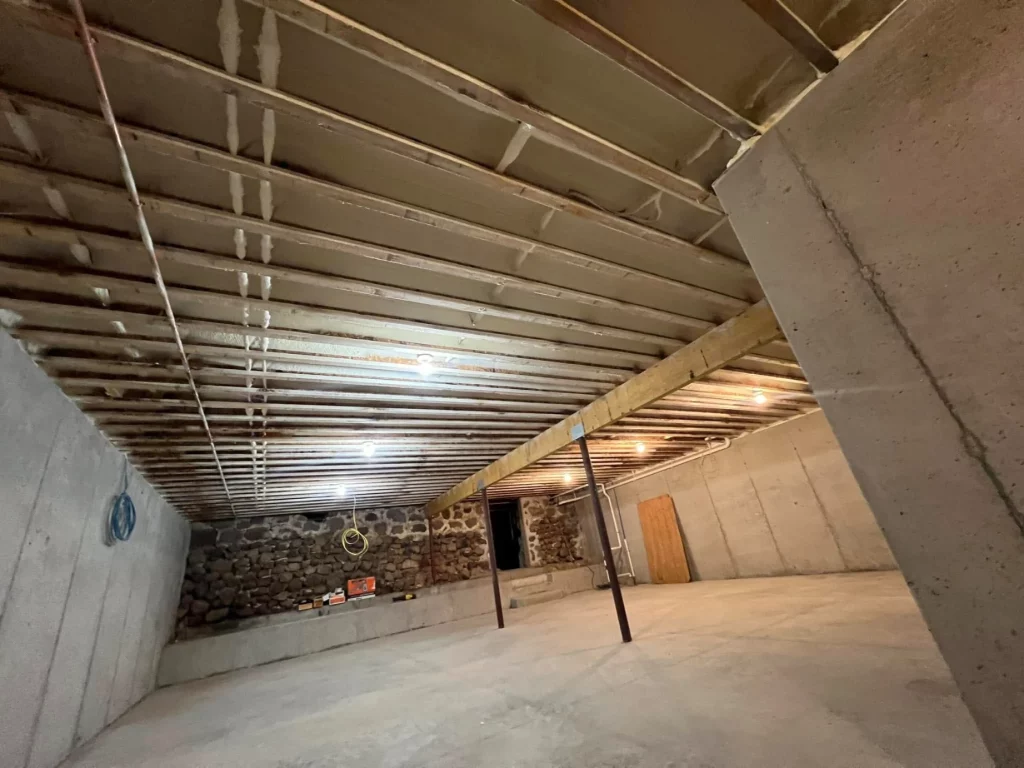
Proper installation starts with thorough preparation. This includes identifying and sealing air leaks before adding insulation, checking for moisture problems, and ensuring proper ventilation in areas like attics. Safety is paramount—installers need protective equipment, including respirators, eye protection, gloves, and appropriate clothing.
For existing buildings, inspection may reveal hidden issues like pest infestations, water damage, or electrical hazards that must be addressed before insulation installation. In some cases, old insulation should be removed entirely, particularly if it’s damaged or contains hazardous materials like asbestos.
Each insulation type requires specific installation techniques for optimal performance:
Spray Foam Installation Requires professional equipment and training. Installers must wear full protective gear and ensure proper ventilation. The two-part chemical mixture expands rapidly, so applicators must understand how to control spray patterns and thickness. Critical areas include sealing rim joists, penetrations, and transitions between different building assemblies.
Fiberglass Installation Batts should be cut to fit snugly around obstacles without compressing the material, which reduces R-value. Face vapor barriers toward the warm side of the assembly in heating climates. Gaps around electrical boxes and plumbing should be carefully filled with smaller pieces or spray foam.
Cellulose Installation Typically installed using specialized blowing equipment. Attic applications require consistent depth and proper baffling to maintain attic ventilation. Wall dense-packing requires calculated cavity filling to prevent settling while avoiding excessive pressure that could damage walls.
Rigid Foam Installation Requires careful detailing around edges and penetrations. Boards should be installed in multiple layers with staggered seams to reduce thermal bridging. Special tape or compatible sealants must seal all joints. Mechanical fasteners must account for the insulation’s thermal properties.
Even with quality materials, poor installation can dramatically reduce insulation performance. Common mistakes include:
Expert Tip: Always check local building codes before starting insulation projects. Codes specify minimum R-values, vapor barrier requirements, fire safety considerations, and ventilation requirements. Meeting or exceeding these requirements ensures safety and optimal performance while avoiding potential compliance issues.
Estimating energy savings from insulation upgrades involves several factors. The U.S. Department of Energy provides savings calculators that account for your climate zone, current insulation levels, fuel types, and local energy costs.
Generally, homeowners can expect to save 10-20% on heating and cooling costs by adding insulation in key areas. For homes with little or no insulation, savings can reach 40% or more. Payback periods typically range from 2-6 years, depending on insulation type, installation costs, and local energy prices.
For commercial buildings, savings calculations must consider not just heating and cooling but also potential reductions in equipment sizing, improved worker productivity, and reduced maintenance costs due to more stable indoor conditions.
While R-value measures thermal resistance, real-world insulation performance depends on proper installation and environmental factors. A study by the Oak Ridge National Laboratory found that poorly installed fiberglass might only achieve 50-60% of its rated R-value due to gaps, compression, and voids.
Continuous insulation systems that eliminate thermal bridging often outperform higher R-value cavity insulation in the same assembly. For example, a wall with R-13 cavity insulation plus R-5 continuous insulation outperforms a wall with R-19 cavity insulation alone.
Energy savings are just one part of the equation. Proper insulation also provides:
A Lawrence Berkeley National Laboratory study found that energy-efficient homes sell for an average of 4-8% more than similar homes without efficiency features. This premium often exceeds the insulation upgrade cost, meaning you might recoup your investment through higher resale value even before considering energy savings.
Moisture is insulation’s worst enemy. Wet insulation loses R-value and can lead to mold growth, structural damage, and indoor air quality problems. Solutions include:
Climate-specific strategies are crucial. In cold climates, interior vapor barriers prevent indoor moisture from migrating into wall cavities. In hot, humid climates, vapor barriers should face the exterior to prevent outdoor moisture from entering.
Some spaces pose particular challenges for insulation retrofits:
Old Brick Walls often lack insulation and have minimal cavity space. Solutions include interior insulation with proper air and vapor control, exterior insulation systems, or injecting insulation if cavities exist.
Cathedral Ceilings require careful attention to ventilation to prevent roof overheating and moisture problems. Special baffles maintain air channels above insulation while allowing for adequate R-values.
Flat Roofs need specialized insulation systems that can handle moisture loads and often require professional installation to avoid future problems.
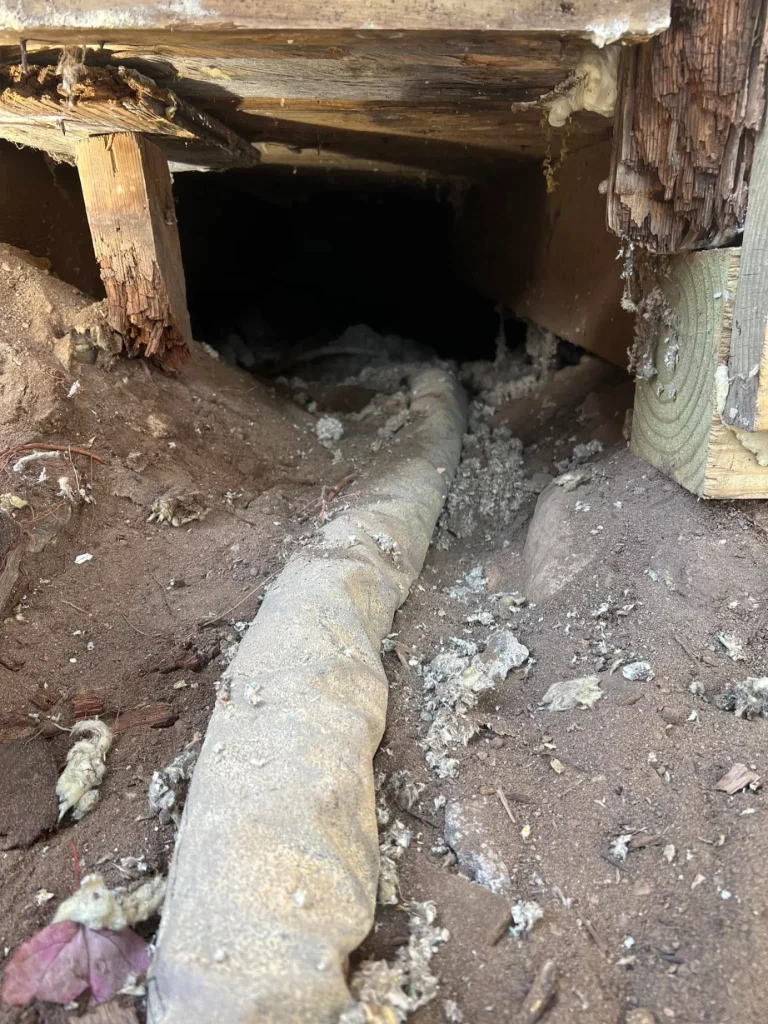
Some insulation types are more susceptible to pest damage than others. Rodents may nest in loose-fill insulation, and insects can tunnel through certain foam products. Solutions include:
Expert Tip: When retrofitting insulation, consider conducting a blower door test before and after the work. This test measures how air-tight your building is and can help identify remaining leaks or problem areas. Professional energy auditors often use infrared cameras during these tests to visually identify insulation gaps and thermal bridges.
The insulation industry continues to evolve with new materials and technologies addressing performance, environmental impact, and installation challenges. Aerogel insulation, for example, offers exceptional R-values in thin profiles—R-10 per inch compared to traditional materials’ R-3 to R-7 range. While currently expensive, production improvements may make aerogel more accessible for specialized applications.
Vacuum-insulated panels (VIPs) provide the highest R-values commercially available but require careful handling to maintain their vacuum seals. These are finding applications in commercial retrofits where space is at a premium.
Smart insulation systems incorporating phase change materials (PCMs) are gaining attention. These materials absorb and release heat during phase transitions, helping stabilize indoor temperatures and reduce heating/cooling loads. Some products integrate PCMs into traditional insulation materials for enhanced performance.
Sustainability concerns are driving innovation in insulation manufacturing and materials. Recycled content has become standard for many products—cellulose typically contains 85% recycled paper, while some fiberglass products incorporate 50% or more recycled glass.
Embodied carbon, the carbon emissions associated with manufacturing and transportation, is becoming an important consideration alongside operational energy savings. Some manufacturers are developing bio-based foams and other low-carbon alternatives to traditional petroleum-based products.
Building codes and certification programs like LEED continue to raise energy efficiency requirements, indirectly driving insulation innovation. Some jurisdictions now require continuous insulation or air barrier testing as part of code compliance.
The future of insulation increasingly involves integration with building automation and smart home systems. Sensors embedded in insulation assemblies can monitor moisture levels, temperature variations, and performance over time. This data helps building owners identify problems early and optimize HVAC operation.
Some companies are developing insulation systems with embedded phase change materials that respond to smart controls, actively storing or releasing heat based on grid conditions and electricity pricing. These systems could help shift heating and cooling loads to off-peak hours, reducing energy costs and supporting grid stability.
You now have a comprehensive understanding of insulation solutions, from the basic principles to advanced applications and future trends. The key to success isn’t just choosing the right material but ensuring it’s properly installed as part of a complete building envelope strategy.
Start by assessing your current situation. Check your attic insulation levels, look for signs of air leaks, and consider your comfort issues. An energy audit can provide valuable data to prioritize your improvements. Remember that air sealing should always come before adding insulation—seal the leaks first, then insulate.
For new construction, plan insulation as an integral part of your design rather than an add-on. Consider how different assemblies work together and how insulation choices affect other building systems like HVAC sizing and moisture management.
Whether you’re tackling a small DIY project or planning a major insulation upgrade, use this guide as your reference. The right insulation decisions will pay dividends for years through lower energy bills, improved comfort, and better building durability.
If you’re ready to improve your building’s insulation but want professional guidance tailored to your specific situation, Proseal Spray Foam offers comprehensive consultations and installation services. With years of experience in both residential and commercial insulation projects, the team can help you navigate options and ensure proper installation for maximum performance. Contact Proseal Spray Foam at [email protected] or call (715) 227-6295 to schedule an assessment and discuss your insulation needs.
The amount of insulation you need depends on your climate zone, the part of the building being insulated, and local building codes. For example, attics in most U.S. climates should have at least R-49, while walls typically need R-13 to R-21. The Department of Energy provides specific recommendations by climate zone and building assembly. Always check local codes, which may require higher minimums than DOE recommendations.
Some insulation types, like fiberglass batts, are DIY-friendly for accessible areas like attics. However, spray foam requires professional equipment and training, while dense-packing walls with cellulose requires specialized equipment and experience. For complex projects or when working with hazardous materials like asbestos removal, professional installation is strongly recommended. Even with DIY projects, consider hiring a professional for an energy audit to identify problem areas you might miss.
Signs you need more insulation include high energy bills, uneven temperatures between rooms, drafts near windows and doors, ice dams on your roof in winter, and walls that feel cold to the touch. Professional energy audits, including blower door tests and infrared scans, can provide definitive answers. Many utility companies offer discounted or free energy assessments that include insulation recommendations.
Insulation slows heat transfer, while air sealing prevents air movement between indoors and outdoors. Both are essential for energy efficiency—you can have the highest R-value insulation available, but if air can leak around it, your building will still be inefficient and uncomfortable. Air sealing typically includes caulking, weatherstripping, and using materials like spray foam to seal gaps and cracks. The best approach is to air seal first, then insulate.
Most insulation materials last 20-30 years or more when properly installed and protected from moisture. Some materials, like spray foam and rigid foam boards, can last the lifetime of the building. Insulation can degrade due to moisture damage, pest infestations, compression, or settling over time. If your insulation is over 20 years old and you’re experiencing comfort or energy efficiency issues, it may be time for an inspection and potential upgrade.
Spray foam typically costs 2-3 times more than traditional insulation materials, but offers advantages that can justify the expense. It provides both insulation and air sealing in one application, fills gaps and cracks that other materials miss, and offers higher R-values per inch. In retrofit situations where access is difficult, spray foam’s superior sealing ability often provides better performance than adding more traditional insulation. The higher upfront cost can be offset by greater energy savings, improved comfort, and the ability to downsize HVAC equipment.