

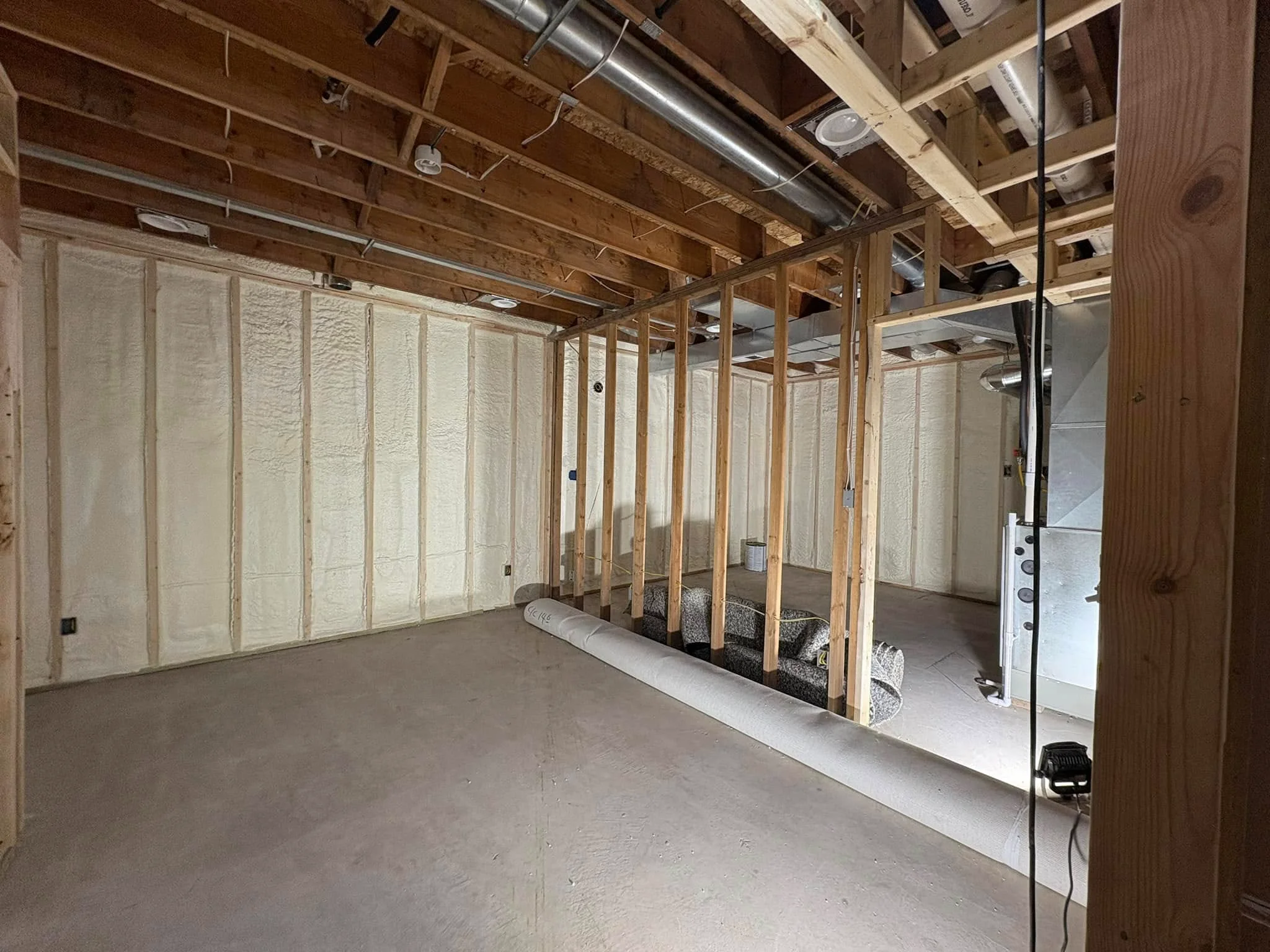
Insulation maintains consistent temperatures in open spaces by creating thermal barriers that reduce heat transfer between different areas. In Neenah’s climate with its cold winters and warm summers, proper insulation prevents heat loss during winter months and blocks unwanted heat gain in summer, resulting in more stable indoor temperatures year-round. This comprehensive guide explains the technical aspects of insulation performance in open spaces and provides practical considerations for the specific climate challenges faced by Wisconsin residents.
Open spaces present unique insulation challenges due to their larger volumes, higher ceiling heights, and increased surface area for heat transfer. When air moves through these spaces, it carries heat energy from warm areas to cooler areas through convection, conduction, and radiation processes. Insulation works by trapping air in small pockets or using reflective surfaces to interrupt these heat transfer mechanisms. The effectiveness depends on the insulation’s R-value, a measure of thermal resistance that determines how well a material resists heat flow.
For Neenah properties, the U.S. Department of Energy recommends R-values between R-49 and R-60 for attic spaces and R-13 to R-21 for walls, though open spaces may require different approaches due to their unique characteristics. The key is creating a continuous thermal envelope without gaps or thermal bridges where heat can escape.
Neenah experiences typical Wisconsin climate patterns with average January temperatures around 15°F and July highs reaching 82°F, according to climate data from the National Oceanic and Atmospheric Administration . These temperature extremes make insulation particularly important for open spaces like great rooms, warehouses, or converted industrial buildings that have high ceilings and large wall areas.
The local building codes and energy requirements also influence insulation choices. Wisconsin’s Uniform Dwelling Code specifies minimum insulation standards, but many property owners exceed these requirements for better energy efficiency. The challenge in open spaces is often air movement – high ceilings create convection currents where warm air rises and accumulates near the ceiling, creating temperature stratification if not properly addressed.
Different insulation materials perform differently in large, open areas. Spray foam insulation offers excellent air sealing properties but requires specialized application. Fiberglass batts provide good thermal resistance but can leave gaps in complex spaces. Rigid foam boards work well for continuous insulation on walls and ceilings. Each type has distinct advantages for open space applications.
Spray Foam Advantages:
Bonus Tip: In open spaces with vaulted ceilings, consider a combination approach using spray foam for air sealing and traditional insulation for cost-effective coverage of large areas.
| Insulation Type | R-Value per Inch | Best Application | Air Sealing Capability |
|---|---|---|---|
| Open-Cell Spray Foam | 3.5-4.0 | Interior walls, ceilings | Excellent |
| Closed-Cell Spray Foam | 6.0-7.0 | Exterior walls, roofs | Excellent |
| Fiberglass Batts | 2.9-3.8 | Standard walls, attics | Poor |
| Rigid Foam Board | 4.0-6.5 | Continuous insulation | Good |
| Mineral Wool | 3.0-3.3 | Fire-resistant applications | Poor |
Bonus Tip: When selecting insulation for open spaces in Wisconsin, prioritize materials that maintain performance in cold temperatures, as some insulation types lose effectiveness when temperatures drop below freezing.
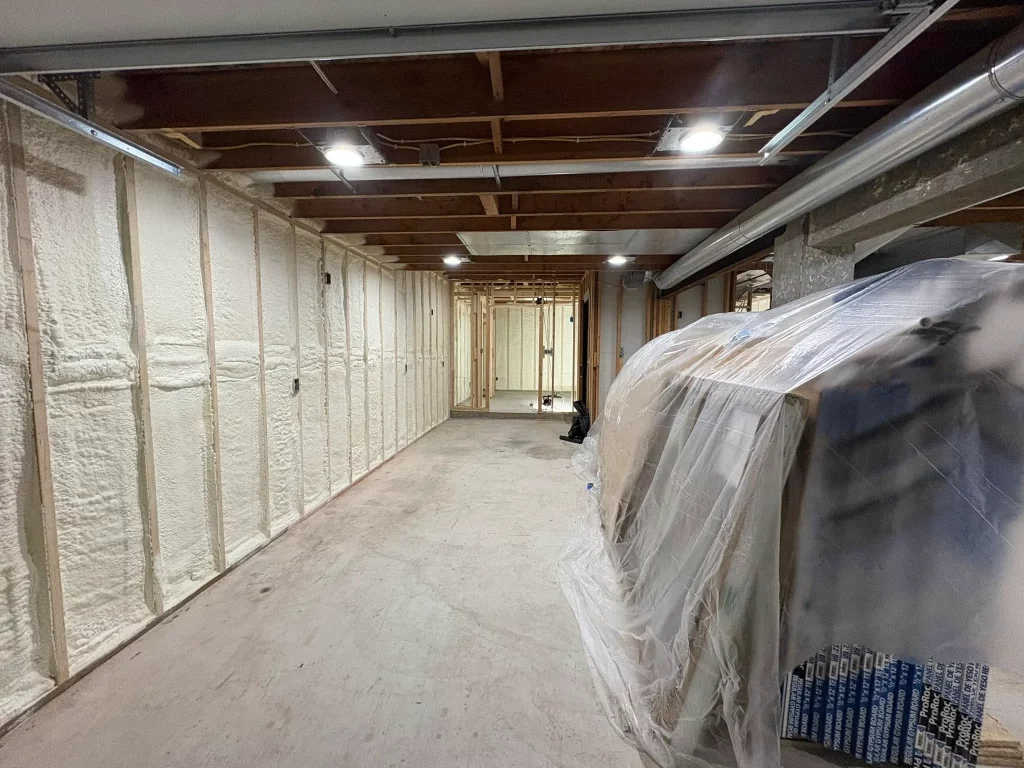
Several factors influence insulation choices for open spaces. The building’s construction type affects installation options – metal buildings may require different approaches than wood-frame structures. The intended use of the space matters too, as commercial workshops have different requirements than residential living areas.
Climate-specific considerations include:
The existing structure’s condition also plays a role. Renovating historic buildings may require preservation-friendly insulation methods, while new construction allows for integrated solutions. Energy audit reports from local utility companies can identify specific problem areas in your open space.
Bonus Tip: Consider the long-term energy savings versus upfront costs. According to the U.S. Energy Information Administration, Wisconsin homeowners spend an average amount monthly on energy, with proper insulation potentially reducing these costs by 15-20% annually.
Selecting the right insulation for open spaces requires understanding your specific needs, climate challenges, and building characteristics. The most effective solution addresses both thermal resistance and air sealing while considering long-term energy savings versus initial investment. Evaluate your property’s unique requirements and consult local building codes before proceeding with any insulation project.
Proseal Spray Foam specializes in insulation solutions for challenging open spaces throughout Wisconsin. For detailed assessments and professional recommendations, contact Proseal Spray Foam at [email protected] or call (715) 227-6295 to discuss your specific insulation needs and schedule a consultation with experienced technicians who understand local climate requirements.
Most insulation materials last 20-30 years or more when properly installed and protected from moisture. Spray foam insulation typically maintains its performance for the life of the building without settling or degrading.
Yes, additional insulation can usually be installed over existing materials, but a proper assessment is needed to avoid moisture problems. Complementary insulation types often work well together when applied correctly.
Energy savings from insulation upgrades typically pay for themselves within 5-8 years in Wisconsin’s climate, though this varies based on energy costs, building size, and insulation quality.
Large open spaces present unique installation challenges that require specialized equipment and expertise. Professional installation ensures proper coverage, avoids gaps, and maximizes energy efficiency benefits.