
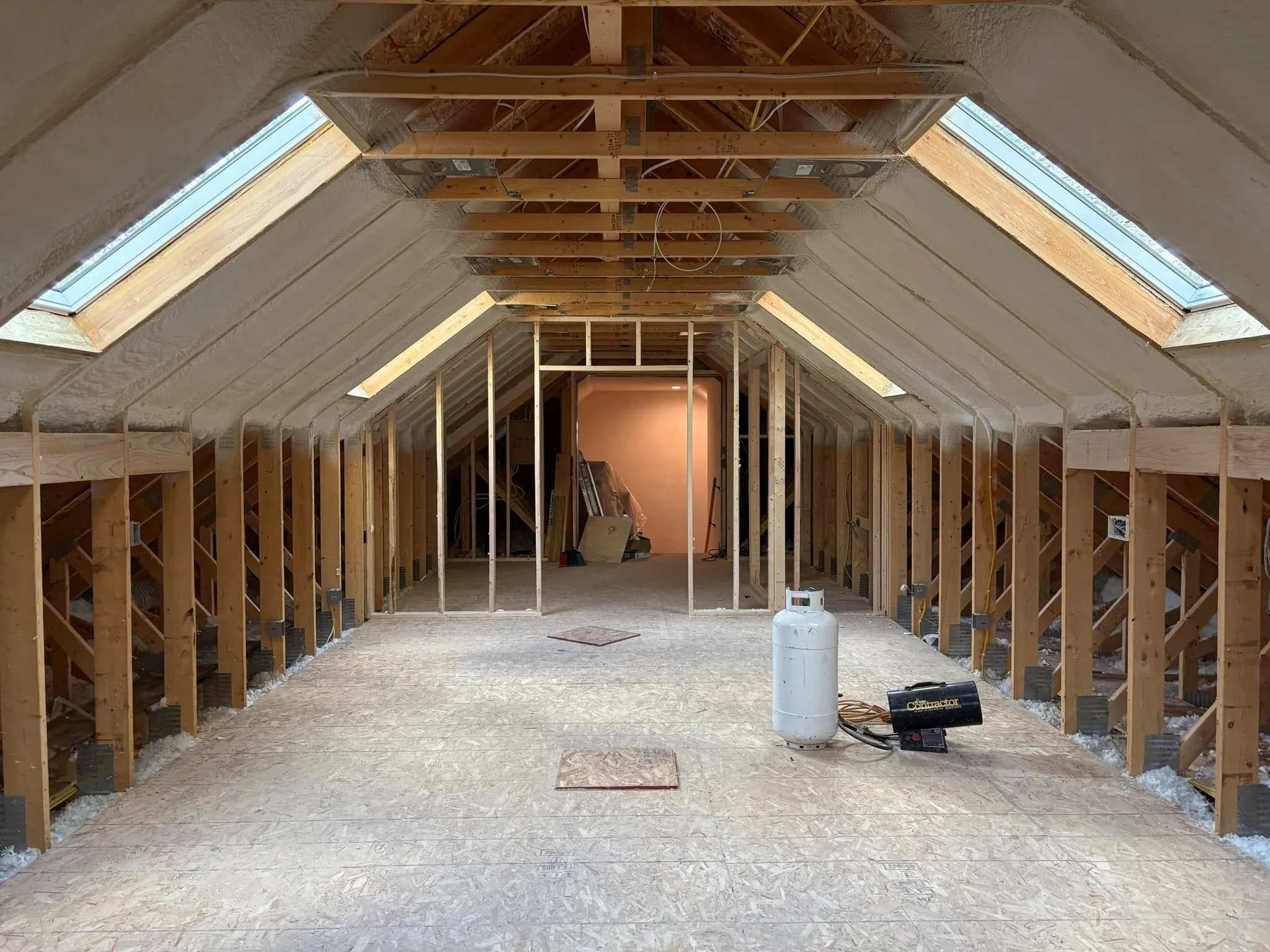
Insulation costs in Fond du Lac vary based on the size and needs of the home, but most homeowners see a complete return on investment within 3-5 years through energy savings alone. The actual out-of-pocket expense often runs much lower than initial quotes due to Wisconsin’s robust rebate programs, federal tax credits, and local utility incentives that can cover a significant percentage of installation costs. For a standard 1,500 square foot home, spray foam insulation might require an initial investment, but with Focus on Energy rebates and federal credits, the final expense could drop significantly while reducing monthly heating bills during Wisconsin’s harsh winters.
This guide breaks down the real costs, available financial assistance, and long-term savings potential for insulation projects in the Fond du Lac area. The information comes from extensive experience with local insulation installations and deep knowledge of Wisconsin-specific programs that make energy efficiency upgrades financially accessible to most homeowners.
The initial price tag for insulation work only tells part of the story. What matters more is the total cost after available incentives and the ongoing savings that accumulate over time. In Fond du Lac’s climate zone 6 classification, proper insulation isn’t just a comfort upgrade—it’s a financial necessity given the region’s heating-dominated weather patterns.
Local utility companies offer substantial incentives because properly insulated homes reduce strain on the power grid during peak demand periods. According to the U.S. Department of Energy, homeowners can save an average of 15% on heating and cooling costs by air sealing their homes and adding insulation in attics, crawl spaces, and basements. In Wisconsin’s climate, these savings often reach 20-25% due to the extended heating season.
Different insulation materials offer varying price points and performance characteristics. The right choice depends on your home’s specific needs, existing construction, and budget constraints.
| Insulation Type | R-Value per Inch | Best For | Payback Period |
|---|---|---|---|
| Spray Foam | 6.5-7.0 | Air sealing, hard-to-reach areas | 3-5 years |
| Fiberglass Batts | 3.2-3.8 | DIY projects, standard walls | 4-7 years |
| Cellulose | 3.2-3.8 | Attics, existing walls | 3-6 years |
| Rigid Foam Board | 4.0-6.5 | Basements, exterior walls | 5-8 years |
Bonus tip: Spray foam, while more expensive upfront, provides both insulation and air sealing in one application, potentially eliminating the need for separate weatherization work.
Wisconsin homeowners have access to multiple layers of financial assistance that significantly reduce insulation costs. Focus on Energy, Wisconsin’s statewide energy efficiency program, offers rebates depending on the scope of work and insulation type selected.
Federal incentives add another layer of savings. The Inflation Reduction Act provides tax credits covering 30% of insulation costs, up to a set annual limit, through 2032. These credits directly reduce your tax bill, effectively making the government a partner in your insulation investment.
Local Fond du Lac utility providers sometimes stack additional rebates on top of these programs. Alliant Energy and WE Energies customers may qualify for extra incentives, particularly when combining insulation with other energy efficiency upgrades like air sealing or high-efficiency furnaces.
Fond du Lac’s position in east-central Wisconsin creates specific insulation needs that differ from those of other regions. The area experiences average January lows around 11°F, with winter temperatures regularly dropping below zero. Summer humidity also demands consideration, making proper air sealing as important as thermal resistance.
Insulation Helps in Consistent Temperatures throughout the year, improving comfort and reducing energy costs. Wisconsin building codes require minimum R-values of R-49 for attics, R-21 for walls, and R-25 for floors above unconditioned spaces. However, local insulation specialists often recommend exceeding these minimums by 20-30% for optimal energy savings, given the region’s temperature extremes.
The proximity to Lake Winnebago influences moisture concerns, making vapor barriers and proper ventilation critical components of any insulation project. Improper installation can lead to condensation issues and mold growth, particularly in the area’s older housing stock.
Professional assessments typically reveal insulation needs that differ from homeowner expectations. A home energy audit, often available for a nominal fee, can pinpoint exactly where insulation provides the best return on investment.
Bonus tip: Scheduling insulation work during spring or fall often yields better pricing as contractors are less busy than during peak heating and cooling seasons.
Bonus tip: Documenting your insulation project with before-and-after photos and energy bills creates a compelling story for potential buyers if you sell your home within 5-10 years of installation.
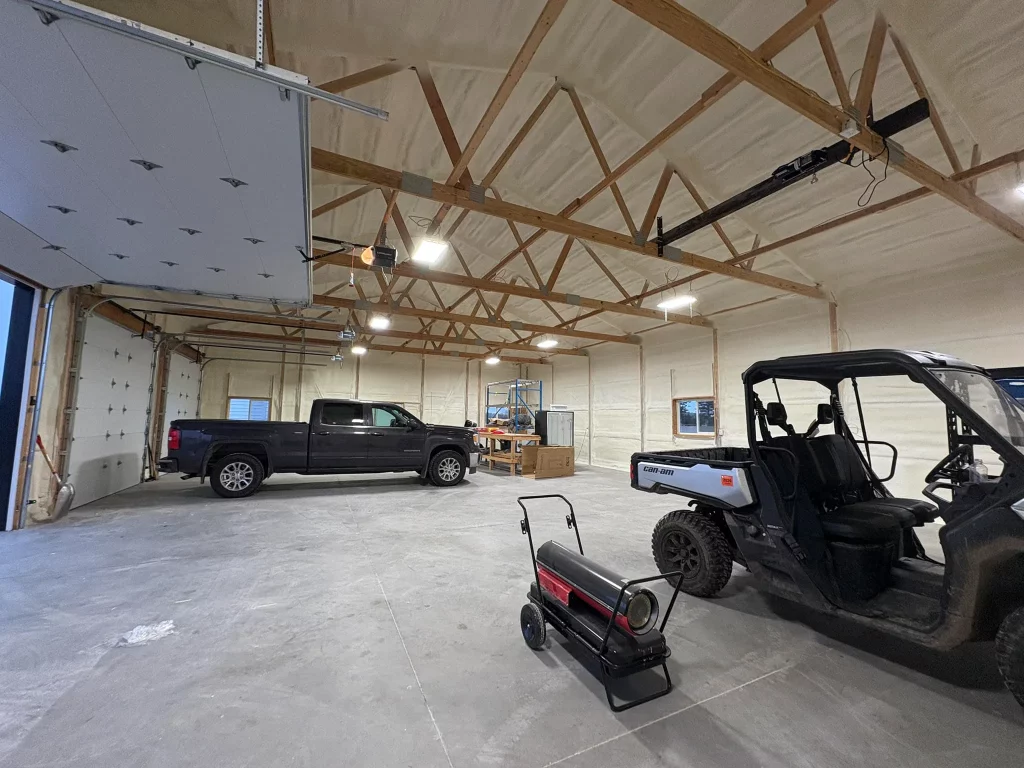
Insulation represents one of the smartest investments for Fond du Lac homeowners, offering immediate comfort improvements and long-term financial returns. Between Wisconsin’s aggressive incentive programs, federal tax credits, and substantial energy savings, most projects pay for themselves within 5 years while adding lasting value to your home.
The key is getting a professional assessment that addresses your home’s specific needs and takes advantage of all available financial assistance. Focus on the long-term return rather than the initial cost, and consider how insulation works with other systems in your home for maximum efficiency.
Professional guidance helps homeowners navigate available incentives and select the right insulation solution for their specific situation. Proseal Spray Foam provides comprehensive assessments that identify exactly where insulation delivers the greatest impact while ensuring you capture all Wisconsin-specific rebates and credits. Contact the team at [email protected] or call (715) 227-6295 to schedule your insulation evaluation and start your journey toward a more comfortable, energy-efficient home.
Most projects complete in 1-3 days, depending on home size and insulation type. Attics usually finish in a single day, while whole-house projects may require 2-3 days.
DIY installation is possible with fiberglass batts and rigid foam, but spray foam and cellulose require professional equipment and expertise for proper application and safety compliance.
Spring and fall offer ideal conditions with mild temperatures and lower humidity. However, winter installations are common and don’t affect performance once completed.
Proper installation includes ventilation planning. Modern building science balances insulation with air exchange through mechanical ventilation systems or controlled natural ventilation methods.
Ice dams on roofs, drafty rooms, high energy bills, and temperature differences between floors often indicate insufficient insulation. A professional energy audit provides definitive answers.