
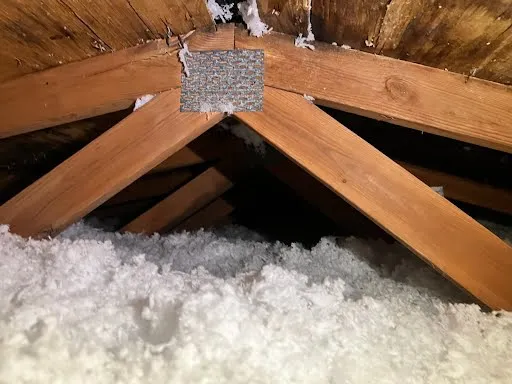
Blown-in insulation becomes the best choice for energy efficiency in Waupaca, WI when a home has existing wall cavities or attic spaces that are difficult to access with traditional batts, when the goal is upgrading an older home without tearing down walls, and when you need a cost-effective way to meet Wisconsin’s demanding R-value requirements for Climate Zones 6 and 7. The right choice depends on your home’s age, construction type, and whether you are insulating attics, walls, or both. Below, we break down exactly when blown-in insulation delivers the highest return on investment for Waupaca homeowners.
Waupaca experiences the full range of Wisconsin’s continental climate: bitterly cold from December through February, humid summers, and consistent wind exposure from open farmland and lakefront areas. According to AutoHVAC’s Wisconsin climate zone data, central Wisconsin falls within Climate Zone 6A, where design winter temperatures reach 0°F, and summer peaks hit 91°F. That 90-degree swing means your insulation has to perform in both directions, trapping heat indoors during winter and blocking it during summer.
The Wisconsin Commercial Building Energy Code and residential energy standards require specific R-values based on these zones. For Zone 6, attics need R-49 minimum, and walls need R-20 or R-21, depending on cavity depth. Homes built before these codes took effect often have R-11 or less in walls and inadequate attic coverage. Closing that gap is where blown-in insulation becomes a practical, high-impact solution.
| Climate Zone | Attic R-Value Required | Wall R-Value Required | Typical Winter Low | Typical Summer High |
|---|---|---|---|---|
| Zone 5 (Southern WI) | R-49 | R-20 | 5°F to 10°F | 85°F to 90°F |
| Zone 6 (Waupaca / Central WI) | R-49 | R-20 or R-21 | -5°F to 5°F | 85°F to 91°F |
| Zone 7 (Northern WI) | R-49 | R-20 | -10°F to -5°F | 80°F to 85°F |
Blown-in insulation is not always the right answer, but there are specific situations where it consistently outperforms alternatives like batts, rigid board, or spray foam.
Many Waupaca homes built before 1980 have 2×4 wall cavities with no insulation at all. Blowing cellulose or fiberglass into these cavities through small drilled holes (typically filled and patched afterward) allows you to insulate every wall without removing drywall or plaster. This is the single most common and cost-effective retrofit for older homes in cold climates.
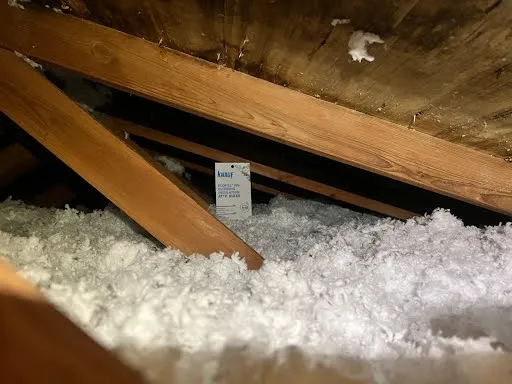
If your attic has trusses, ductwork, electrical runs, or uneven joist spacing, rolled batts leave gaps around every obstruction. Blown-in material flows over and around all of these, creating a continuous blanket. Johns Manville notes that blown-in fiberglass is specifically designed for easy installation in hard-to-reach spaces while maintaining consistent coverage and energy performance.
If your attic insulation was installed decades ago, it has likely settled and lost R-value. Adding a layer of blown-in insulation on top is fast, non-disruptive, and brings your total R-value back up to code without removing the old material.
Blown-in cellulose has a higher density than fiberglass, which gives it superior sound-dampening properties. If you are finishing a basement ceiling or insulating between a living space and an upstairs bedroom, blown-in cellulose adds meaningful noise reduction alongside thermal performance.
Material selection matters, especially in a climate where heating costs dominate your energy bill. Here is a direct comparison of the two most common blown-in materials.
| Feature | Blown-In Cellulose | Blown-In Fiberglass |
|---|---|---|
| R-Value per Inch | R-3.2 to R-3.8 | R-2.2 to R-2.7 |
| Weight | Heavier (about 2.5-3.0 lbs/cu ft) | Lighter (about 0.5-1.0 lbs/cu ft) |
| Fire Resistance | Treated with borates, self-extinguishing | Naturally non-combustible |
| Moisture Resistance | Absorbs moisture, can settle if wet | Resists moisture, holds shape better |
| Sound Damping | Superior due to higher density | Moderate |
| Settling Over Time | Can settle 5-10% initially | Minimal settling |
| Cost (Installed) | Slightly higher per bag, better R-value per dollar | Lower per bag, more depth needed |
| Best Application | Walls and attics in cold climates | Open attics with good ventilation |
For Waupaca homeowners focused on heating efficiency, cellulose generally delivers better value because you get a higher R-value per inch. That means fewer inches of material to reach the R-49 attic target, which matters in older homes with limited rafter depth.
Being strategic means knowing when another method serves you better.
Full wall tear-out renovations. If you are already opening walls for a kitchen or bathroom remodel, spray foam or rigid board insulation installed against the sheathing will outperform blown-in every time. Spray foam also adds an air barrier that blown-in materials cannot provide alone.
Basement walls and rim joists. These areas are prone to moisture and air infiltration. Closed-cell spray foam handles both problems in a single application and is the recommended approach for below-grade and band joist spaces.
Cathedral ceilings with limited cavity depth. If your ceiling has 2×6 rafters and you need R-49, blown-in alone cannot get you there. A combination of rigid foam above the roof deck and blown-in below is usually required.
While costs vary based on home size and accessibility, here are general benchmarks for Waupaca-area installations.
| Project Type | Material | Typical Cost Range | Expected Energy Savings |
|---|---|---|---|
| Attic top-up (R-30 to R-49) | Cellulose or fiberglass | $1.50 to $2.50/sq ft | 10-15% on heating bills |
| Full attic insulation (uninsulated) | Cellulose | $2.00 to $3.00/sq ft | 15-20% on heating bills |
| Wall cavity dense-pack | Cellulose | $2.50 to $3.50/sq ft | 10-15% on heating bills |
| Sound control between floors | Cellulose | $2.00 to $3.00/sq ft | Sound reduction primary benefit |
Most blown-in insulation projects are completed in a single day for an average-sized home. Wall cavity work requires drilling, filling, and patching, which adds a few hours but is still typically finished within a day or two.
| Home Type | Recommended Approach | Key Notes |
|---|---|---|
| Pre-1960s farmhouse or bungalow | Dense-pack cellulose in walls + attic top-up | Often has no wall insulation; expect plaster walls requiring careful patching |
| 1970s-1990s ranch or split-level | Attic blown-in over existing batts | Check existing insulation depth; add to reach R-49 |
| 2000s+ newer construction | Targeted attic top-up only | Likely already meets code in walls; focus on attic if R-value is below R-49 |
| Lake cottage or seasonal home | Blown-in attic insulation | Prioritize freeze protection; consider moisture control for unoccupied periods |
Choosing the right installer matters as much as choosing the right material. Here are the indicators that you are working with a qualified professional:
Bar Chart Suggestion: Compare heating cost savings percentages across three scenarios: uninsulated home, home with R-30 attic insulation, and home with R-49 blown-in cellulose. Use winter heating dollars as the metric for Waupaca-specific relevance.
Infographic Suggestion: Side-by-side cutaway diagram of a wall cavity showing blown-in cellulose filling around electrical wiring and plumbing vs. traditional batts, leaving gaps in the same space.
At Proseal Spray Foam, we help Waupaca homeowners identify exactly where blown-in insulation delivers the biggest impact and where other methods may serve better. Our team assesses your home’s specific needs, recommends the right materials for Wisconsin’s climate demands, and installs everything to meet or exceed current R-value standards.
Request a Quote | Schedule an Insulation Assessment
Call us directly at (715) 227-6295 or email [email protected]. The sooner you insulate, the sooner you stop paying for heat that escapes through your attic and walls.
For Climate Zone 6, the target is R-49 minimum. With cellulose at R-3.5 per inch, that means roughly 14 inches of settled depth. Most contractors install a bit more, around 15 to 16 inches, to account for minor settling over time.
Yes, but it is more challenging. Cellulose must be kept dry during installation, and extremely cold temperatures can affect equipment performance. Late summer through early fall is the ideal window to get your home ready before heating season.
Cellulose is treated with borate-based fire retardants that make it self-extinguishing. It also resists pests and mold growth when properly installed. The Insulation Institute provides detailed safety and performance data on all blown-in insulation materials for residential use.
Both cellulose and fiberglass blown-in insulation are designed to last the life of the home when installed correctly. Cellulose may settle slightly in the first year, but then stabilizes. Neither material degrades nor loses R-value from aging alone.
Wall cavity insulation requires drilling small holes (typically 1 to 2 inches) through the exterior siding or interior drywall, then filling and patching them. On plaster walls, this requires a skilled installer to match the texture. The process is minimally invasive but does leave patch marks that may need painting.